
Painting La curiosité et le papillon - Julius Adam l'Ancien | Art print


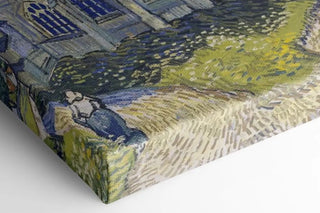
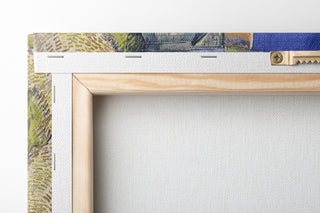
View from behind
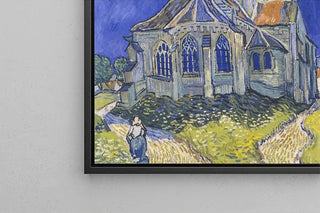
Frame (optional)
In the fascinating universe of art, some works manage to capture the very essence of human curiosity, blending the beauty of nature with a deeper reflection on life and death. "The Curiosity and the Butterfly" by Julius Adam l'Ancien is undoubtedly one of these masterpieces. Through the depiction of a delicate butterfly, the artist invites us to explore the subtleties of existence and the fragility of our environment. This piece, both poetic and evocative, immerses us in a world where every detail matters, revealing the magic of a suspended moment. Far from being a simple representation, it becomes a mirror of our own questions and our wonder at nature.
Style and uniqueness of the work
Julius Adam l'Ancien's style is distinguished by meticulous attention to detail and a vibrant color palette that breathes life into his compositions. In "The Curiosity and the Butterfly," each element is carefully crafted, from the textures of the butterfly's wings to the delicate nuances of the surrounding flowers. The artist skillfully plays with light and shadow, creating a contrast that highlights the ephemeral beauty of the scene. The composition, both harmonious and dynamic, draws the viewer's eye, inviting immersion into this richly meaningful painting. Adam manages to convey an atmosphere of calm and contemplation, while awakening an insatiable curiosity within us for the world around us. This work, through its singularity, positions itself as a true masterpiece of naturalism, demonstrating the artist's technical mastery.
The artist and his influence
Julius Adam l'Ancien is an emblematic figure of 19th-century art, recognized for his ability to fuse realistic representation with an almost romantic sensitivity. Trained in academic traditions, he learned to break free from constraints to develop a personal style that is uniquely his own. His passion for nature and his meticulous observation of insects and flowers allowed him to create works that transcend the simple framework of naturalist painting. Adam influenced many contemporary artists and
Painting La curiosité et le papillon - Julius Adam l'Ancien | Art print

-10% FROM €95 IN PURCHASES
-15% FROM €195 IN PURCHASES
Regular price
- Unit price
- per
Tax included.
Free shipping
€4.90 / Free shipping on orders over €39
Satisfied or Money Back
Free returns within 30 days
10-year warranty
Our prints are guaranteed for 10 years
Any questions? We are here!
by email to contact@artemlegrand.com
THE STEPS OF YOUR ORDER

STEP 1 - ORDER PLACED
Your order has been confirmed and we are starting production
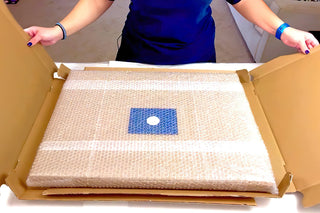
STEP 2 - SHIPPING
We ship your order. We send you an email to track the progress

STEP 3 - DELIVERY
You receive your order. You can also, according to your choice, be delivered to a relay point.
Matte finish
View from behind
Frame (optional)
In the fascinating universe of art, some works manage to capture the very essence of human curiosity, blending the beauty of nature with a deeper reflection on life and death. "The Curiosity and the Butterfly" by Julius Adam l'Ancien is undoubtedly one of these masterpieces. Through the depiction of a delicate butterfly, the artist invites us to explore the subtleties of existence and the fragility of our environment. This piece, both poetic and evocative, immerses us in a world where every detail matters, revealing the magic of a suspended moment. Far from being a simple representation, it becomes a mirror of our own questions and our wonder at nature.
Style and uniqueness of the work
Julius Adam l'Ancien's style is distinguished by meticulous attention to detail and a vibrant color palette that breathes life into his compositions. In "The Curiosity and the Butterfly," each element is carefully crafted, from the textures of the butterfly's wings to the delicate nuances of the surrounding flowers. The artist skillfully plays with light and shadow, creating a contrast that highlights the ephemeral beauty of the scene. The composition, both harmonious and dynamic, draws the viewer's eye, inviting immersion into this richly meaningful painting. Adam manages to convey an atmosphere of calm and contemplation, while awakening an insatiable curiosity within us for the world around us. This work, through its singularity, positions itself as a true masterpiece of naturalism, demonstrating the artist's technical mastery.
The artist and his influence
Julius Adam l'Ancien is an emblematic figure of 19th-century art, recognized for his ability to fuse realistic representation with an almost romantic sensitivity. Trained in academic traditions, he learned to break free from constraints to develop a personal style that is uniquely his own. His passion for nature and his meticulous observation of insects and flowers allowed him to create works that transcend the simple framework of naturalist painting. Adam influenced many contemporary artists and
12,34 €