
Art print Nature morte aux perdrix - Willem van Aelst | Art print


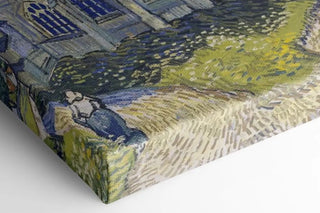
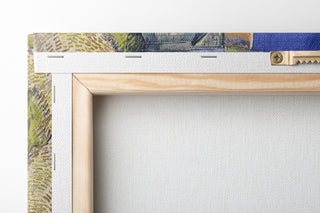
View from behind
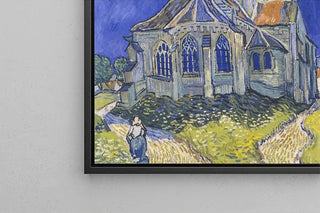
Frame (optional)
Reproduction of Still Life with Partridges - Willem van Aelst – Captivating Introduction
In the fascinating world of painting, some works manage to capture the very essence of life while revealing the beauty of the most fleeting elements. "Still Life with Partridges - Willem van Aelst" is one of those compositions that, through its delicacy and realism, invites the viewer to a profound contemplation. This iconic piece, typical of 17th-century Dutch art, demonstrates technical mastery and artistic sensitivity that transcend mere representation. By delving into this still life, one discovers not only partridges but also a reflection on the fleeting beauty of life and the richness of earthly pleasures.
Style and uniqueness of the work
Willem van Aelst's still life stands out for its meticulous attention to detail and its rich, harmonious color palette. The partridges, delicately arranged, seem almost alive, their shiny feathers capturing light in a way that evokes their silky texture. Every element of the composition, from the fruits to the surrounding objects, is carefully chosen to create perfect visual balance. The way Aelst plays with shadows and lights adds an almost sculptural dimension to the piece, making the objects tangible and present. This realistic approach, characteristic of the Baroque style, highlights not only the beauty of the subjects but also the artist's skill in conveying an atmosphere of serenity and harmony.
The artist and his influence
Willem van Aelst, born in 1627, was a Dutch painter whose artistic journey was marked by a deep understanding of nature and undeniable talent for depicting inanimate objects. Trained in the Baroque art school, he established himself as one of the masters of still life, influencing many contemporary and future artists. His work goes beyond simple representation; it becomes a celebration of life and death, a reflection on the fleeting nature of material pleasures. Aelst skillfully incorporated symbolic elements into his compositions, encouraging viewers to contemplate not only beauty but also the fragility of existence. His artistic legacy end
Art print Nature morte aux perdrix - Willem van Aelst | Art print

-10% FROM €95 IN PURCHASES
-15% FROM €195 IN PURCHASES
Regular price
- Unit price
- per
Tax included.
Free shipping
€4.90 / Free shipping on orders over €39
Satisfied or Money Back
Free returns within 30 days
10-year warranty
Our prints are guaranteed for 10 years
Any questions? We are here!
by email to contact@artemlegrand.com
THE STEPS OF YOUR ORDER

STEP 1 - ORDER PLACED
Your order has been confirmed and we are starting production
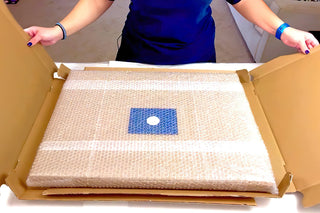
STEP 2 - SHIPPING
We ship your order. We send you an email to track the progress

STEP 3 - DELIVERY
You receive your order. You can also, according to your choice, be delivered to a relay point.
Matte finish
View from behind
Frame (optional)
Reproduction of Still Life with Partridges - Willem van Aelst – Captivating Introduction
In the fascinating world of painting, some works manage to capture the very essence of life while revealing the beauty of the most fleeting elements. "Still Life with Partridges - Willem van Aelst" is one of those compositions that, through its delicacy and realism, invites the viewer to a profound contemplation. This iconic piece, typical of 17th-century Dutch art, demonstrates technical mastery and artistic sensitivity that transcend mere representation. By delving into this still life, one discovers not only partridges but also a reflection on the fleeting beauty of life and the richness of earthly pleasures.
Style and uniqueness of the work
Willem van Aelst's still life stands out for its meticulous attention to detail and its rich, harmonious color palette. The partridges, delicately arranged, seem almost alive, their shiny feathers capturing light in a way that evokes their silky texture. Every element of the composition, from the fruits to the surrounding objects, is carefully chosen to create perfect visual balance. The way Aelst plays with shadows and lights adds an almost sculptural dimension to the piece, making the objects tangible and present. This realistic approach, characteristic of the Baroque style, highlights not only the beauty of the subjects but also the artist's skill in conveying an atmosphere of serenity and harmony.
The artist and his influence
Willem van Aelst, born in 1627, was a Dutch painter whose artistic journey was marked by a deep understanding of nature and undeniable talent for depicting inanimate objects. Trained in the Baroque art school, he established himself as one of the masters of still life, influencing many contemporary and future artists. His work goes beyond simple representation; it becomes a celebration of life and death, a reflection on the fleeting nature of material pleasures. Aelst skillfully incorporated symbolic elements into his compositions, encouraging viewers to contemplate not only beauty but also the fragility of existence. His artistic legacy end
12,34 €