
Portrait Painting of Manuelita Rosas - Prilidiano Pueyrredón | Art print


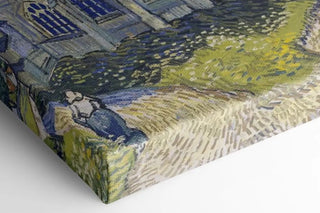
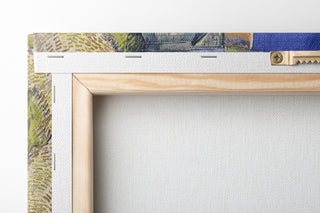
View from behind
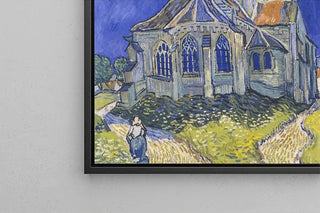
Frame (optional)
Reproduction Portrait of Manuelita Rosas - Prilidiano Pueyrredón – Captivating Introduction
The "Portrait of Manuelita Rosas" by Prilidiano Pueyrredón is much more than a simple representation of a historical figure. It is an immersion into the soul of an era, a window into 19th-century Argentina. Manuelita Rosas, daughter of the renowned governor Juan Manuel de Rosas, embodies both beauty and power. This painting, with its rich palette and meticulous details, captures the essence of a woman whose influence has left a mark on her country's history. Through this work, Pueyrredón does not merely paint a face; he tells a story, that of a turbulent time, a society in full transformation. Manuelita's gaze, both gentle and determined, seems to challenge the viewer, inviting them to delve into the depths of her existence.
Style and uniqueness of the work
Prilidiano Pueyrredón's style is distinguished by remarkable finesse and delicacy. In this portrait, the artist employs a painting technique that combines realism and romanticism, creating an intimate and captivating atmosphere. The details of Manuelita's dress, the play of light on her face, and the depth of her gaze testify to exceptional craftsmanship. Each brushstroke appears charged with emotion, allowing the viewer to feel the vibrant personality of the young woman. The composition is carefully thought out, with a blurred background that highlights the main subject. This stylistic approach allows focus on Manuelita while subtly evoking her environment, reflecting her social status and family heritage. Thus, the work becomes a dialogue between the past and the present, where each element carries meaning.
The artist and his influence
Prilidiano Pueyrredón, an emblematic figure of Argentine romanticism, knew how to leave his mark on his era through works filled with emotion and sensitivity. Born in 1823, he was influenced by European artistic currents while developing a unique identity for his country. His approach to portrait painting, notably through the "Portrait of Manuelita Rosas," illustrates his desire to capture not only
Portrait Painting of Manuelita Rosas - Prilidiano Pueyrredón | Art print

-10% FROM €95 IN PURCHASES
-15% FROM €195 IN PURCHASES
Regular price
- Unit price
- per
Tax included.
Free shipping
€4.90 / Free shipping on orders over €39
Satisfied or Money Back
Free returns within 30 days
10-year warranty
Our prints are guaranteed for 10 years
Any questions? We are here!
by email to contact@artemlegrand.com
THE STEPS OF YOUR ORDER
STEP 1 - ORDER PLACED
Your order has been confirmed and we are starting production
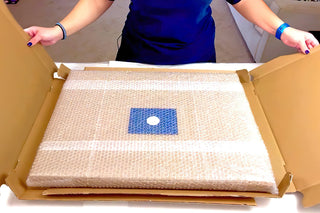
STEP 2 - SHIPPING
We ship your order. We send you an email to track the progress

STEP 3 - DELIVERY
You receive your order. You can also, according to your choice, be delivered to a relay point.
Matte finish
View from behind
Frame (optional)
Reproduction Portrait of Manuelita Rosas - Prilidiano Pueyrredón – Captivating Introduction
The "Portrait of Manuelita Rosas" by Prilidiano Pueyrredón is much more than a simple representation of a historical figure. It is an immersion into the soul of an era, a window into 19th-century Argentina. Manuelita Rosas, daughter of the renowned governor Juan Manuel de Rosas, embodies both beauty and power. This painting, with its rich palette and meticulous details, captures the essence of a woman whose influence has left a mark on her country's history. Through this work, Pueyrredón does not merely paint a face; he tells a story, that of a turbulent time, a society in full transformation. Manuelita's gaze, both gentle and determined, seems to challenge the viewer, inviting them to delve into the depths of her existence.
Style and uniqueness of the work
Prilidiano Pueyrredón's style is distinguished by remarkable finesse and delicacy. In this portrait, the artist employs a painting technique that combines realism and romanticism, creating an intimate and captivating atmosphere. The details of Manuelita's dress, the play of light on her face, and the depth of her gaze testify to exceptional craftsmanship. Each brushstroke appears charged with emotion, allowing the viewer to feel the vibrant personality of the young woman. The composition is carefully thought out, with a blurred background that highlights the main subject. This stylistic approach allows focus on Manuelita while subtly evoking her environment, reflecting her social status and family heritage. Thus, the work becomes a dialogue between the past and the present, where each element carries meaning.
The artist and his influence
Prilidiano Pueyrredón, an emblematic figure of Argentine romanticism, knew how to leave his mark on his era through works filled with emotion and sensitivity. Born in 1823, he was influenced by European artistic currents while developing a unique identity for his country. His approach to portrait painting, notably through the "Portrait of Manuelita Rosas," illustrates his desire to capture not only
12,34 €