
Painting Portrait of a Dancer - George Washington Lambert | Art print Source: Tableau Portrait d'une danseuse - George Washington Lambert | Reproduction


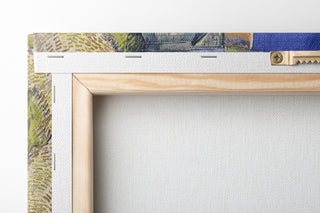
View from behind
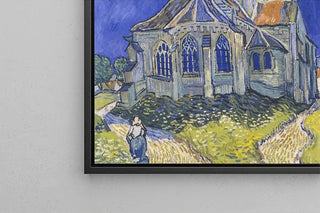
Frame (optional)
The "Portrait of a Dancer" by George Washington Lambert is a piece that transcends the simple frame of painting to immerse the viewer in a universe of grace and movement. This artwork, created in the early 20th century, is a true ode to dance and feminine beauty, capturing the very essence of ballet art. The dancer, frozen in an elegant pose, appears ready to leap, inviting the observer to feel the lightness and fluidity of her art. Lambert, through his undeniable talent, manages to immortalize this fleeting magic, offering a window into the fascinating world of artistic performance.
Style and uniqueness of the work
The piece stands out for its unique style, blending elements of realism and symbolism. Lambert uses soft colors and delicate brushstrokes to create an atmosphere that is both intimate and vibrant. The dancer, dressed in a sumptuous costume, is depicted with meticulous attention to detail, from the nuances of her clothing to the subtle expressions on her face. Every element of the composition contributes to evoking a sense of movement, as if the dancer were about to step out of the canvas at any moment. This ability to fuse visual beauty with palpable dynamism is what gives this work its exceptional character. The choice of colors, ranging from pastels to brighter shades, reinforces the idea of a lively dance, while creating a harmony that soothes the mind.
The artist and his influence
George Washington Lambert, an Australian artist of British origin, made his mark on the art world with his innovative approach and sensitivity to beauty. Trained at the best art schools, he developed a style that is uniquely his own, influenced by the artistic movements of his time. Lambert was able to capture moments of life with rare intensity, and his work on the "Art print of a Dancer" is a perfect example. By incorporating elements of popular culture of his era, he succeeded in establishing a dialogue between academic art and new artistic trends. His influence still endures today, inspiring many artists to explore themes of performance and identity through their own creative lens.
A decoration
Painting Portrait of a Dancer - George Washington Lambert | Art print Source: Tableau Portrait d'une danseuse - George Washington Lambert | Reproduction

-10% FROM €95 IN PURCHASES
-15% FROM €195 IN PURCHASES
Regular price
- Unit price
- per
Tax included.
Free shipping
€4.90 / Free shipping on orders over €39
Satisfied or Money Back
Free returns within 30 days
10-year warranty
Our prints are guaranteed for 10 years
Any questions? We are here!
by email to contact@artemlegrand.com
THE STEPS OF YOUR ORDER

STEP 1 - ORDER PLACED
Your order has been confirmed and we are starting production
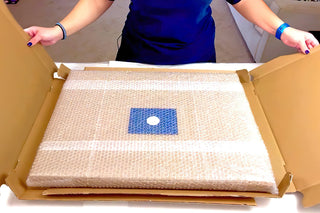
STEP 2 - SHIPPING
We ship your order. We send you an email to track the progress

STEP 3 - DELIVERY
You receive your order. You can also, according to your choice, be delivered to a relay point.
Matte finish
View from behind
Frame (optional)
The "Portrait of a Dancer" by George Washington Lambert is a piece that transcends the simple frame of painting to immerse the viewer in a universe of grace and movement. This artwork, created in the early 20th century, is a true ode to dance and feminine beauty, capturing the very essence of ballet art. The dancer, frozen in an elegant pose, appears ready to leap, inviting the observer to feel the lightness and fluidity of her art. Lambert, through his undeniable talent, manages to immortalize this fleeting magic, offering a window into the fascinating world of artistic performance.
Style and uniqueness of the work
The piece stands out for its unique style, blending elements of realism and symbolism. Lambert uses soft colors and delicate brushstrokes to create an atmosphere that is both intimate and vibrant. The dancer, dressed in a sumptuous costume, is depicted with meticulous attention to detail, from the nuances of her clothing to the subtle expressions on her face. Every element of the composition contributes to evoking a sense of movement, as if the dancer were about to step out of the canvas at any moment. This ability to fuse visual beauty with palpable dynamism is what gives this work its exceptional character. The choice of colors, ranging from pastels to brighter shades, reinforces the idea of a lively dance, while creating a harmony that soothes the mind.
The artist and his influence
George Washington Lambert, an Australian artist of British origin, made his mark on the art world with his innovative approach and sensitivity to beauty. Trained at the best art schools, he developed a style that is uniquely his own, influenced by the artistic movements of his time. Lambert was able to capture moments of life with rare intensity, and his work on the "Art print of a Dancer" is a perfect example. By incorporating elements of popular culture of his era, he succeeded in establishing a dialogue between academic art and new artistic trends. His influence still endures today, inspiring many artists to explore themes of performance and identity through their own creative lens.
A decoration
12,34 €