
Painting Old man with a cap - Jan Lievens | Art print


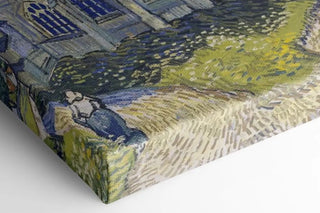
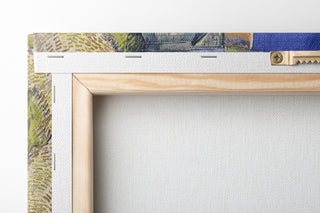
View from behind
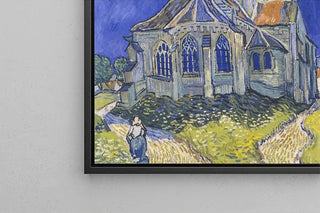
Frame (optional)
Vieil homme avec une calotte - Jan Lievens – Captivating Introduction
The artwork "Vieil homme avec une calotte" by Jan Lievens unfolds as a poignant testament to 17th-century Dutch art. In this painting, the artist manages to capture not only the physical appearance of his subject but also a rare psychological depth. The elderly man, whose face marked by time expresses wisdom and introspection, seems to invite the viewer to silent contemplation. The soft light illuminating his face accentuates the details of the wrinkles, while the calotte he wears adds an authentic touch to this portrait, revealing the subtleties of daily life at that time. Thus, this piece is not merely a simple representation; it becomes a true mirror of the human soul.
Style and uniqueness of the artwork
Lievens' style is distinguished by an exceptional mastery of chiaroscuro, a technique that plays on contrasts between light and shadow. In "Vieil homme avec une calotte," this approach is implemented with remarkable delicacy. The deep shadows enveloping the elderly man's face create an intimate atmosphere, while the light, almost divine, seems to emanate from within, giving his gaze a captivating intensity. The color palette, dominated by earthy tones and shades of beige, enhances the authenticity of the scene, evoking the simplicity of modest lives of that era. Every brushstroke demonstrates meticulous attention to detail, whether it concerns the textures of the skin or the reflections on the calotte. This striking realism, combined with emotional sensitivity, makes this artwork a masterpiece of Baroque art.
The artist and his influence
Jan Lievens, a contemporary of Rembrandt, is often regarded as one of the most influential Dutch masters of his time. Although less well-known than his illustrious peer, his work has profoundly impacted the artistic landscape of the period. Lievens mastered Flemish painting techniques while developing a personal style that is uniquely his own. His approach to light and shadow, as well as his interest in psychological portraits, has inspired many contemporary artists and
Painting Old man with a cap - Jan Lievens | Art print

-10% FROM €95 IN PURCHASES
-15% FROM €195 IN PURCHASES
Regular price
- Unit price
- per
Tax included.
Free shipping
€4.90 / Free shipping on orders over €39
Satisfied or Money Back
Free returns within 30 days
10-year warranty
Our prints are guaranteed for 10 years
Any questions? We are here!
by email to contact@artemlegrand.com
THE STEPS OF YOUR ORDER

STEP 1 - ORDER PLACED
Your order has been confirmed and we are starting production
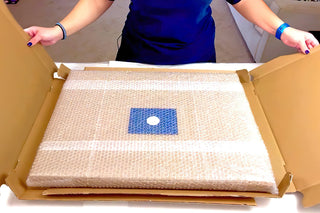
STEP 2 - SHIPPING
We ship your order. We send you an email to track the progress

STEP 3 - DELIVERY
You receive your order. You can also, according to your choice, be delivered to a relay point.
Matte finish
View from behind
Frame (optional)
Vieil homme avec une calotte - Jan Lievens – Captivating Introduction
The artwork "Vieil homme avec une calotte" by Jan Lievens unfolds as a poignant testament to 17th-century Dutch art. In this painting, the artist manages to capture not only the physical appearance of his subject but also a rare psychological depth. The elderly man, whose face marked by time expresses wisdom and introspection, seems to invite the viewer to silent contemplation. The soft light illuminating his face accentuates the details of the wrinkles, while the calotte he wears adds an authentic touch to this portrait, revealing the subtleties of daily life at that time. Thus, this piece is not merely a simple representation; it becomes a true mirror of the human soul.
Style and uniqueness of the artwork
Lievens' style is distinguished by an exceptional mastery of chiaroscuro, a technique that plays on contrasts between light and shadow. In "Vieil homme avec une calotte," this approach is implemented with remarkable delicacy. The deep shadows enveloping the elderly man's face create an intimate atmosphere, while the light, almost divine, seems to emanate from within, giving his gaze a captivating intensity. The color palette, dominated by earthy tones and shades of beige, enhances the authenticity of the scene, evoking the simplicity of modest lives of that era. Every brushstroke demonstrates meticulous attention to detail, whether it concerns the textures of the skin or the reflections on the calotte. This striking realism, combined with emotional sensitivity, makes this artwork a masterpiece of Baroque art.
The artist and his influence
Jan Lievens, a contemporary of Rembrandt, is often regarded as one of the most influential Dutch masters of his time. Although less well-known than his illustrious peer, his work has profoundly impacted the artistic landscape of the period. Lievens mastered Flemish painting techniques while developing a personal style that is uniquely his own. His approach to light and shadow, as well as his interest in psychological portraits, has inspired many contemporary artists and
12,34 €