
Art print Young man wearing a feathered helmet - Giuseppe Maria Crespi | Art print


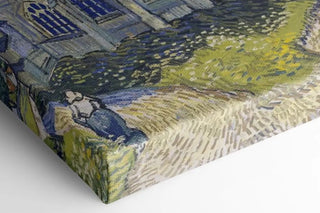
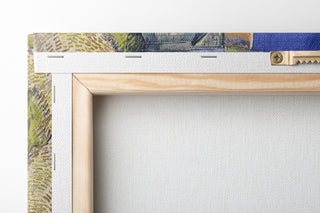
View from behind
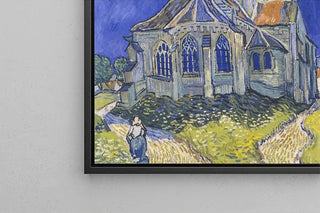
Frame (optional)
In the fascinating world of baroque art, the artwork "Young man wearing a feathered helmet" by Giuseppe Maria Crespi stands out for its intensity and mystery. This painting, which evokes both nobility and simplicity, captures the eye and provokes deep reflection on the human condition. Crespi, with his unparalleled talent, manages to capture not only the external appearance of his subject but also an inner essence that resonates with the viewer's emotions. The piece invites attentive contemplation, where every detail, every shade of color, seems to tell a story—a story that transcends time and eras.
Style and uniqueness of the artwork
Crespi's style is characterized by bold use of light and shadow, a chiaroscuro play that accentuates the features of the young man. This technique, inherited from the great masters of the Renaissance, gives the composition a striking depth. The feathered helmet, a central element of the painting, is not just a simple accessory; it symbolizes bravery and heroism. The way Crespi handles textures, from delicate feathers to metallic reflections of the helmet, demonstrates his skill in capturing reality while infusing a poetic dimension into his work. The penetrating gaze of the young man, both confident and contemplative, invites the viewer to question his thoughts and aspirations, thus creating an intimate connection between the artwork and its observer.
The artist and his influence
Giuseppe Maria Crespi, active in the 17th century, is often regarded as one of the pioneers of baroque style in Italy. His career, marked by a constant search for authenticity and individual expression, influenced many artists of his time and future generations. Crespi was able to move away from academic conventions to explore more personal and psychological themes, which helped broaden the horizons of Italian painting. His innovative approach, which merges realism and emotion, paved the way for later artistic movements, notably Romanticism. By redefining portraiture, he allowed artists
Art print Young man wearing a feathered helmet - Giuseppe Maria Crespi | Art print

-10% FROM €95 IN PURCHASES
-15% FROM €195 IN PURCHASES
Regular price
- Unit price
- per
Tax included.
Free shipping
€4.90 / Free shipping on orders over €39
Satisfied or Money Back
Free returns within 30 days
10-year warranty
Our prints are guaranteed for 10 years
Any questions? We are here!
by email to contact@artemlegrand.com
THE STEPS OF YOUR ORDER

STEP 1 - ORDER PLACED
Your order has been confirmed and we are starting production
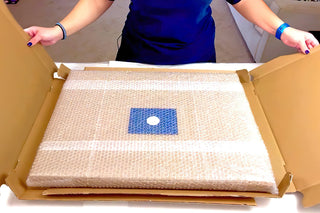
STEP 2 - SHIPPING
We ship your order. We send you an email to track the progress

STEP 3 - DELIVERY
You receive your order. You can also, according to your choice, be delivered to a relay point.
Matte finish
View from behind
Frame (optional)
In the fascinating world of baroque art, the artwork "Young man wearing a feathered helmet" by Giuseppe Maria Crespi stands out for its intensity and mystery. This painting, which evokes both nobility and simplicity, captures the eye and provokes deep reflection on the human condition. Crespi, with his unparalleled talent, manages to capture not only the external appearance of his subject but also an inner essence that resonates with the viewer's emotions. The piece invites attentive contemplation, where every detail, every shade of color, seems to tell a story—a story that transcends time and eras.
Style and uniqueness of the artwork
Crespi's style is characterized by bold use of light and shadow, a chiaroscuro play that accentuates the features of the young man. This technique, inherited from the great masters of the Renaissance, gives the composition a striking depth. The feathered helmet, a central element of the painting, is not just a simple accessory; it symbolizes bravery and heroism. The way Crespi handles textures, from delicate feathers to metallic reflections of the helmet, demonstrates his skill in capturing reality while infusing a poetic dimension into his work. The penetrating gaze of the young man, both confident and contemplative, invites the viewer to question his thoughts and aspirations, thus creating an intimate connection between the artwork and its observer.
The artist and his influence
Giuseppe Maria Crespi, active in the 17th century, is often regarded as one of the pioneers of baroque style in Italy. His career, marked by a constant search for authenticity and individual expression, influenced many artists of his time and future generations. Crespi was able to move away from academic conventions to explore more personal and psychological themes, which helped broaden the horizons of Italian painting. His innovative approach, which merges realism and emotion, paved the way for later artistic movements, notably Romanticism. By redefining portraiture, he allowed artists
12,34 €