
Nuphar lutea yellow chubby water flowers of the Ranunculus lusitanus Clusii marsh marigold - Anselmus Botius de Boodt | Art print


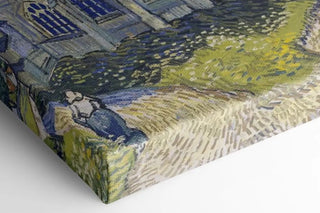
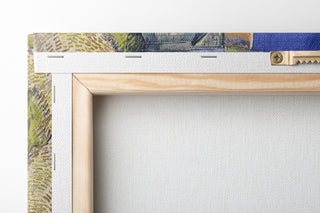
View from behind
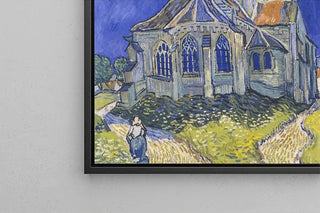
Frame (optional)
In the fascinating world of botanical art, the work of Anselmus Botius de Boodt stands out for its delicacy and precision. The art print of Nuphar lutea jaune dodu eau fleurs d'or Ranunculus lusitanus Clusii renoncule des marais is a vibrant tribute to the beauty of nature, capturing the very essence of aquatic plants through a unique artistic perspective. This painting, a true ode to biodiversity, invites viewers to immerse themselves in a universe where flora flourishes in all its splendor. The golden nuances of the water lilies and the graceful shapes of the marsh marigolds evoke perfect harmony, reflecting the artist's fascination with the wonders of the natural world.
Style and uniqueness of the work
The piece is characterized by a meticulous and realistic style, echoing the aesthetics of 17th-century Flemish painting. De Boodt manages to blend a faithful representation of plants with an artistic sensitivity that transcends mere illustration. Every detail, from delicate petals to luminous reflections on the water, is carefully crafted, revealing impressive technical mastery. The colors, both vivid and nuanced, create a serene, almost contemplative atmosphere. The choice of composition, with a harmonious arrangement of floral elements, invites visual exploration that leaves a lasting impression. This painting does not merely depict flowers; it evokes a season, a moment of grace suspended in time, where nature reveals itself in all its ephemeral beauty.
The artist and his influence
Anselmus Botius de Boodt, botanist and painter, is a prominent figure of the 17th century, whose contributions to art and science are inseparable. His commitment to studying plants and his desire to immortalize them on canvas testify to an era where art and science intertwined. De Boodt captured the wonder inspired by nature, while respecting the principles
Nuphar lutea yellow chubby water flowers of the Ranunculus lusitanus Clusii marsh marigold - Anselmus Botius de Boodt | Art print

-10% FROM €95 IN PURCHASES
-15% FROM €195 IN PURCHASES
Regular price
- Unit price
- per
Free shipping
€4.90 / Free shipping on orders over €39
Satisfied or Money Back
Free returns within 30 days
10-year warranty
Our prints are guaranteed for 10 years
Any questions? We are here!
by email to contact@artemlegrand.com
THE STEPS OF YOUR ORDER

STEP 1 - ORDER PLACED
Your order has been confirmed and we are starting production
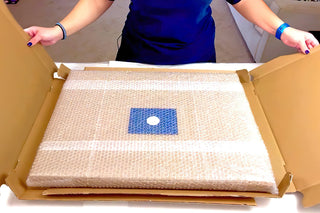
STEP 2 - SHIPPING
We ship your order. We send you an email to track the progress

STEP 3 - DELIVERY
You receive your order. You can also, according to your choice, be delivered to a relay point.
Matte finish
View from behind
Frame (optional)
In the fascinating world of botanical art, the work of Anselmus Botius de Boodt stands out for its delicacy and precision. The art print of Nuphar lutea jaune dodu eau fleurs d'or Ranunculus lusitanus Clusii renoncule des marais is a vibrant tribute to the beauty of nature, capturing the very essence of aquatic plants through a unique artistic perspective. This painting, a true ode to biodiversity, invites viewers to immerse themselves in a universe where flora flourishes in all its splendor. The golden nuances of the water lilies and the graceful shapes of the marsh marigolds evoke perfect harmony, reflecting the artist's fascination with the wonders of the natural world.
Style and uniqueness of the work
The piece is characterized by a meticulous and realistic style, echoing the aesthetics of 17th-century Flemish painting. De Boodt manages to blend a faithful representation of plants with an artistic sensitivity that transcends mere illustration. Every detail, from delicate petals to luminous reflections on the water, is carefully crafted, revealing impressive technical mastery. The colors, both vivid and nuanced, create a serene, almost contemplative atmosphere. The choice of composition, with a harmonious arrangement of floral elements, invites visual exploration that leaves a lasting impression. This painting does not merely depict flowers; it evokes a season, a moment of grace suspended in time, where nature reveals itself in all its ephemeral beauty.
The artist and his influence
Anselmus Botius de Boodt, botanist and painter, is a prominent figure of the 17th century, whose contributions to art and science are inseparable. His commitment to studying plants and his desire to immortalize them on canvas testify to an era where art and science intertwined. De Boodt captured the wonder inspired by nature, while respecting the principles