
Painting Woman with Rake - Jean-François Millet | Art print Source: Tableau Femme avec un râteau - Jean-François Millet | Reproduction


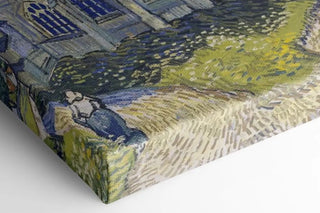
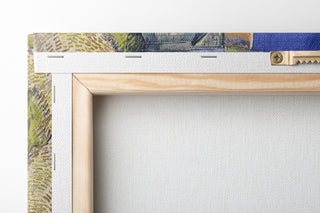
View from behind
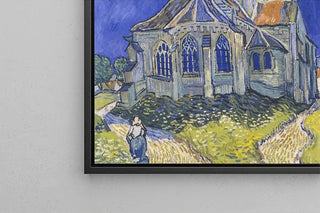
Frame (optional)
In the panorama of 19th-century art, Jean-François Millet stands out for his ability to capture rural life with unparalleled depth and sensitivity. "Woman with a Rake" is an emblematic artwork that demonstrates his commitment to the peasant world. This painting, both simple and evocative, immerses us in the intimacy of the daily life of farm workers. The depicted female figure, a symbol of strength and resilience, invites us to reflect on the role of women in agriculture and the beauty of everyday gestures. Through this work, Millet transcends mere representation to touch on the very essence of humanity.
Style and uniqueness of the work
Millet's style is characterized by a realistic approach, but also by an impressionist sensitivity that manifests in the use of light and color. In "Woman with a Rake," the composition is carefully orchestrated, highlighting the silhouette of the woman at the center of the piece. Earthy tones and play of shadows illuminate the scene, creating an atmosphere that is both peaceful and emotionally charged. The artist manages to evoke a deep connection with nature, paying homage to the hardworking lives of peasants. The posture of the woman, both firm and delicate, expresses a quiet strength, while the rake, a tool of labor, becomes a symbol of harmony between man and land. This work resonates as an ode to the dignity of work, elevating the everyday to an almost sacred level.
The artist and his influence
Jean-François Millet, born in 1814, is one of the pioneers of realism in painting. His career is marked by a desire to depict the lives of peasants, a subject often neglected by his contemporaries. Millet is part of a movement that seeks to valorize the working classes, bringing a new dimension to the art of his time. His influence extends far beyond his own production, inspiring generations of artists, from the Impressionist movement to figures like Vincent van Gogh. By choosing to paint scenes of daily life, Millet paved the way for a
Painting Woman with Rake - Jean-François Millet | Art print Source: Tableau Femme avec un râteau - Jean-François Millet | Reproduction

-10% FROM €95 IN PURCHASES
-15% FROM €195 IN PURCHASES
Regular price
- Unit price
- per
Tax included.
Free shipping
€4.90 / Free shipping on orders over €39
Satisfied or Money Back
Free returns within 30 days
10-year warranty
Our prints are guaranteed for 10 years
Any questions? We are here!
by email to contact@artemlegrand.com
THE STEPS OF YOUR ORDER

STEP 1 - ORDER PLACED
Your order has been confirmed and we are starting production
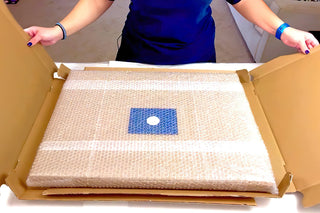
STEP 2 - SHIPPING
We ship your order. We send you an email to track the progress

STEP 3 - DELIVERY
You receive your order. You can also, according to your choice, be delivered to a relay point.
Matte finish
View from behind
Frame (optional)
In the panorama of 19th-century art, Jean-François Millet stands out for his ability to capture rural life with unparalleled depth and sensitivity. "Woman with a Rake" is an emblematic artwork that demonstrates his commitment to the peasant world. This painting, both simple and evocative, immerses us in the intimacy of the daily life of farm workers. The depicted female figure, a symbol of strength and resilience, invites us to reflect on the role of women in agriculture and the beauty of everyday gestures. Through this work, Millet transcends mere representation to touch on the very essence of humanity.
Style and uniqueness of the work
Millet's style is characterized by a realistic approach, but also by an impressionist sensitivity that manifests in the use of light and color. In "Woman with a Rake," the composition is carefully orchestrated, highlighting the silhouette of the woman at the center of the piece. Earthy tones and play of shadows illuminate the scene, creating an atmosphere that is both peaceful and emotionally charged. The artist manages to evoke a deep connection with nature, paying homage to the hardworking lives of peasants. The posture of the woman, both firm and delicate, expresses a quiet strength, while the rake, a tool of labor, becomes a symbol of harmony between man and land. This work resonates as an ode to the dignity of work, elevating the everyday to an almost sacred level.
The artist and his influence
Jean-François Millet, born in 1814, is one of the pioneers of realism in painting. His career is marked by a desire to depict the lives of peasants, a subject often neglected by his contemporaries. Millet is part of a movement that seeks to valorize the working classes, bringing a new dimension to the art of his time. His influence extends far beyond his own production, inspiring generations of artists, from the Impressionist movement to figures like Vincent van Gogh. By choosing to paint scenes of daily life, Millet paved the way for a
12,34 €