
Painting of a woman playing the theorbo - Jacob Duck | Art print


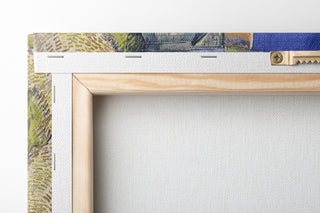
View from behind
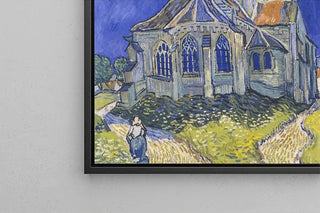
Frame (optional)
In the enchanting world of baroque art, the art print "Woman Playing the theorbo" by Jacob Duck stands out for its beauty and intimate atmosphere. This painting, capturing a fleeting moment of everyday life, invites the viewer to immerse themselves in a world where music and painting intertwine harmoniously. The woman, focused on her instrument, seems to draw us into a silent melody, while the soft light bathing the scene creates a warm and welcoming ambiance. This work, both simple and complex, reveals the subtleties of human emotions through art, making each gaze a unique experience.
Style and uniqueness of the art print
Jacob Duck's style is characterized by a remarkable mastery of light and shadow play, typical of Dutch baroque. In "Woman Playing the theorbo," the light delicately illuminates the musician's face, highlighting her features and expression of absorption. The meticulous details of her clothing, as well as the texture of the theorbo, testify to a keen sense of observation and undeniable technical skill. Duck manages to capture not only the physical beauty of his subject but also the very essence of music, thus creating an atmosphere of contemplation and serenity. Every element of the composition, from the dark background that emphasizes the figure to the choice of warm colors, contributes to the harmony of the whole, making this art print a true masterpiece of baroque art.
The artist and his influence
Jacob Duck, a Dutch artist of the 17th century, is often recognized for his genre scenes that explore everyday life with a unique sensitivity. Influenced by the great masters of his time, Duck developed a personal style that combines realism and poetry. His ability to depict human emotions through intimate scenes earned him a prominent place in art history. The art print "Woman Playing the theorbo" perfectly illustrates this approach, where the simple depiction of a musician becomes an ode to the beauty of the present moment. Duck thus paved the way for many artists who, later, sought to capture life through
Painting of a woman playing the theorbo - Jacob Duck | Art print

-10% FROM €95 IN PURCHASES
-15% FROM €195 IN PURCHASES
Regular price
- Unit price
- per
Tax included.
Free shipping
€4.90 / Free shipping on orders over €39
Satisfied or Money Back
Free returns within 30 days
10-year warranty
Our prints are guaranteed for 10 years
Any questions? We are here!
by email to contact@artemlegrand.com
THE STEPS OF YOUR ORDER

STEP 1 - ORDER PLACED
Your order has been confirmed and we are starting production
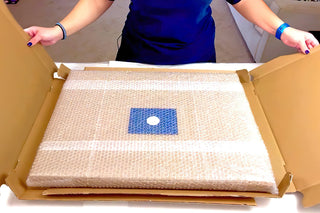
STEP 2 - SHIPPING
We ship your order. We send you an email to track the progress

STEP 3 - DELIVERY
You receive your order. You can also, according to your choice, be delivered to a relay point.
Matte finish
View from behind
Frame (optional)
In the enchanting world of baroque art, the art print "Woman Playing the theorbo" by Jacob Duck stands out for its beauty and intimate atmosphere. This painting, capturing a fleeting moment of everyday life, invites the viewer to immerse themselves in a world where music and painting intertwine harmoniously. The woman, focused on her instrument, seems to draw us into a silent melody, while the soft light bathing the scene creates a warm and welcoming ambiance. This work, both simple and complex, reveals the subtleties of human emotions through art, making each gaze a unique experience.
Style and uniqueness of the art print
Jacob Duck's style is characterized by a remarkable mastery of light and shadow play, typical of Dutch baroque. In "Woman Playing the theorbo," the light delicately illuminates the musician's face, highlighting her features and expression of absorption. The meticulous details of her clothing, as well as the texture of the theorbo, testify to a keen sense of observation and undeniable technical skill. Duck manages to capture not only the physical beauty of his subject but also the very essence of music, thus creating an atmosphere of contemplation and serenity. Every element of the composition, from the dark background that emphasizes the figure to the choice of warm colors, contributes to the harmony of the whole, making this art print a true masterpiece of baroque art.
The artist and his influence
Jacob Duck, a Dutch artist of the 17th century, is often recognized for his genre scenes that explore everyday life with a unique sensitivity. Influenced by the great masters of his time, Duck developed a personal style that combines realism and poetry. His ability to depict human emotions through intimate scenes earned him a prominent place in art history. The art print "Woman Playing the theorbo" perfectly illustrates this approach, where the simple depiction of a musician becomes an ode to the beauty of the present moment. Duck thus paved the way for many artists who, later, sought to capture life through
12,34 €