
Painting Woman with Virginal - Gabriel Metsu | Art print


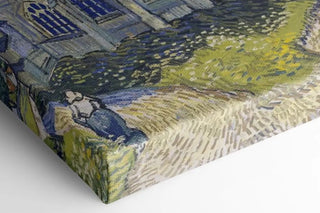
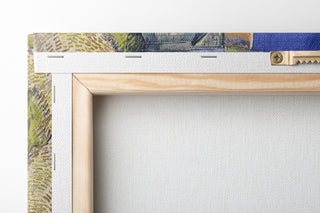
View from behind
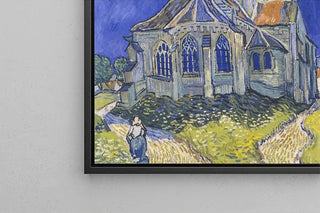
Frame (optional)
In the refined world of art history, some works transcend time and capture the very essence of humanity. The "Woman at the harpsichord" by Gabriel Metsu is one of these iconic pieces, where beauty and melancholy meet. This painting, created in the 17th century, offers an open window into the daily life of the period, while revealing the subtleties of human emotions. The scene depicts a young woman, focused on her instrument, seemingly lost in her thoughts, creating an atmosphere that is both intimate and contemplative. This artwork, through its composition and lighting, invites us to explore not only the artist's talent but also the inner universe of his characters.
Style and uniqueness of the work
Gabriel Metsu's style is distinguished by its meticulous realism and ability to capture fleeting moments. The "Woman at the harpsichord" perfectly illustrates this approach, through the finesse of details and the harmony of colors. The soft light illuminating the woman's face and the harpsichord creates a striking contrast with the shadowed background, thus emphasizing the intensity of the moment. Metsu excels in depicting textures, whether it is the delicate fabric of the dress or the polished surface of the instrument. Every element of the composition seems to tell a story, and the pensive expression of the woman invites the viewer to ponder her thoughts and emotions. This painting is not limited to a simple representation; it captures the very essence of life, art, and music, while revealing the complexity of human relationships.
The artist and his influence
Gabriel Metsu, born in Amsterdam in 1629, is one of the masters of Dutch painting of the 17th century. His work is rooted in the genre painting tradition, where he excels at depicting scenes of daily life with rare emotional depth. Metsu, influenced by contemporaries such as Vermeer and Frans Hals, developed a distinctive style that combines realism and sensitivity. His innovative approach to light and composition inspired many artists, both of his time and subsequent generations. The "Woman at the harpsichord" is a
Painting Woman with Virginal - Gabriel Metsu | Art print

-10% FROM €95 IN PURCHASES
-15% FROM €195 IN PURCHASES
Regular price
- Unit price
- per
Tax included.
Free shipping
€4.90 / Free shipping on orders over €39
Satisfied or Money Back
Free returns within 30 days
10-year warranty
Our prints are guaranteed for 10 years
Any questions? We are here!
by email to contact@artemlegrand.com
THE STEPS OF YOUR ORDER

STEP 1 - ORDER PLACED
Your order has been confirmed and we are starting production
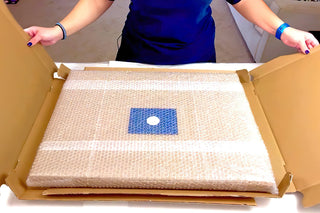
STEP 2 - SHIPPING
We ship your order. We send you an email to track the progress

STEP 3 - DELIVERY
You receive your order. You can also, according to your choice, be delivered to a relay point.
Matte finish
View from behind
Frame (optional)
In the refined world of art history, some works transcend time and capture the very essence of humanity. The "Woman at the harpsichord" by Gabriel Metsu is one of these iconic pieces, where beauty and melancholy meet. This painting, created in the 17th century, offers an open window into the daily life of the period, while revealing the subtleties of human emotions. The scene depicts a young woman, focused on her instrument, seemingly lost in her thoughts, creating an atmosphere that is both intimate and contemplative. This artwork, through its composition and lighting, invites us to explore not only the artist's talent but also the inner universe of his characters.
Style and uniqueness of the work
Gabriel Metsu's style is distinguished by its meticulous realism and ability to capture fleeting moments. The "Woman at the harpsichord" perfectly illustrates this approach, through the finesse of details and the harmony of colors. The soft light illuminating the woman's face and the harpsichord creates a striking contrast with the shadowed background, thus emphasizing the intensity of the moment. Metsu excels in depicting textures, whether it is the delicate fabric of the dress or the polished surface of the instrument. Every element of the composition seems to tell a story, and the pensive expression of the woman invites the viewer to ponder her thoughts and emotions. This painting is not limited to a simple representation; it captures the very essence of life, art, and music, while revealing the complexity of human relationships.
The artist and his influence
Gabriel Metsu, born in Amsterdam in 1629, is one of the masters of Dutch painting of the 17th century. His work is rooted in the genre painting tradition, where he excels at depicting scenes of daily life with rare emotional depth. Metsu, influenced by contemporaries such as Vermeer and Frans Hals, developed a distinctive style that combines realism and sensitivity. His innovative approach to light and composition inspired many artists, both of his time and subsequent generations. The "Woman at the harpsichord" is a
12,34 €