
Painting Woman with a Mirror - Gabriel Metsu | Art print


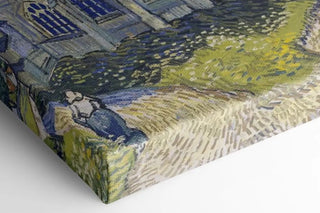
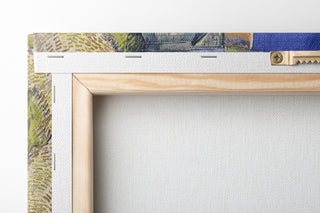
View from behind
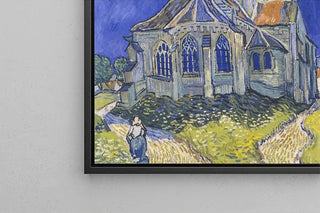
Frame (optional)
In the vast panorama of Baroque art, the artwork "Femme au miroir" by Gabriel Metsu stands out for its elegance and psychological depth. This painting, created in the 17th century, invites the viewer to delve into an intimate moment, where the woman, both observer and observed, seems to capture the essence of beauty and reflection. The mirror, a central element of the composition, serves not only to reflect the image but also to evoke deeper themes such as identity, vanity, and introspection. Contemplating this piece, one feels an immediate connection with the inner world of the protagonist, an invitation to explore the nuances of her mind.
Style and uniqueness of the artwork
Metsu's style is characterized by an exceptional mastery of light and color. In "Femme au miroir," warm and delicate tones create an intimate atmosphere, while the interplay of shadows and light highlights the refined details of the woman's dress and the texture of the mirror. The artist manages to capture a fleeting moment, where each element of the canvas seems to breathe with its own life. The composition is carefully balanced, with particular attention paid to the woman's posture and gaze, which unfolds between contemplation and curiosity. This painting is not merely a figurative representation; it reflects an era, a culture, and an artistic sensibility that transcend time.
The artist and his influence
Gabriel Metsu, born in Amsterdam in 1629, is one of the masters of the Dutch Golden Age. His artistic career is marked by an ability to combine realism and emotion, a characteristic that allows him to stand out from his contemporaries. Influenced by artists such as Rembrandt and Frans Hals, Metsu develops a personal style focused on everyday life and human interactions. "Femme au miroir" embodies this approach, where the banality of a moment becomes a scene of great depth. Metsu's impact on subsequent art is undeniable, inspiring many artists to explore themes of intimacy and humanity through their works. His ability to capture the essence of his subjects continues
Painting Woman with a Mirror - Gabriel Metsu | Art print

-10% FROM €95 IN PURCHASES
-15% FROM €195 IN PURCHASES
Regular price
- Unit price
- by
Free shipping
€4.90 / Free shipping on orders over €39
Satisfied or Money Back
Free returns within 30 days
10-year warranty
Our prints are guaranteed for 10 years
Any questions? We are here!
by email to contact@artemlegrand.com
THE STEPS OF YOUR ORDER

STEP 1 - ORDER PLACED
Your order has been confirmed and we are starting production
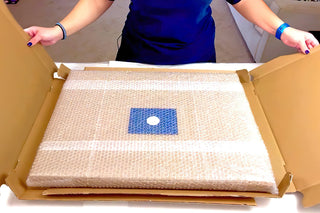
STEP 2 - SHIPPING
We ship your order. We send you an email to track the progress

STEP 3 - DELIVERY
You receive your order. You can also, according to your choice, be delivered to a relay point.
Matte finish
View from behind
Frame (optional)
In the vast panorama of Baroque art, the artwork "Femme au miroir" by Gabriel Metsu stands out for its elegance and psychological depth. This painting, created in the 17th century, invites the viewer to delve into an intimate moment, where the woman, both observer and observed, seems to capture the essence of beauty and reflection. The mirror, a central element of the composition, serves not only to reflect the image but also to evoke deeper themes such as identity, vanity, and introspection. Contemplating this piece, one feels an immediate connection with the inner world of the protagonist, an invitation to explore the nuances of her mind.
Style and uniqueness of the artwork
Metsu's style is characterized by an exceptional mastery of light and color. In "Femme au miroir," warm and delicate tones create an intimate atmosphere, while the interplay of shadows and light highlights the refined details of the woman's dress and the texture of the mirror. The artist manages to capture a fleeting moment, where each element of the canvas seems to breathe with its own life. The composition is carefully balanced, with particular attention paid to the woman's posture and gaze, which unfolds between contemplation and curiosity. This painting is not merely a figurative representation; it reflects an era, a culture, and an artistic sensibility that transcend time.
The artist and his influence
Gabriel Metsu, born in Amsterdam in 1629, is one of the masters of the Dutch Golden Age. His artistic career is marked by an ability to combine realism and emotion, a characteristic that allows him to stand out from his contemporaries. Influenced by artists such as Rembrandt and Frans Hals, Metsu develops a personal style focused on everyday life and human interactions. "Femme au miroir" embodies this approach, where the banality of a moment becomes a scene of great depth. Metsu's impact on subsequent art is undeniable, inspiring many artists to explore themes of intimacy and humanity through their works. His ability to capture the essence of his subjects continues