
Painting of Woman and Young Boy Study for the Childhood of Sixtus Quintus - Jean-Victor Schnetz | Art print


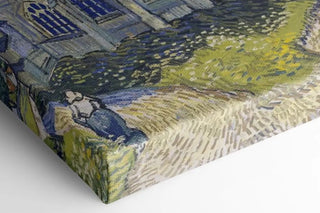
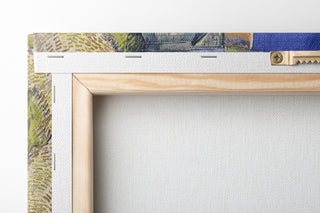
View from behind
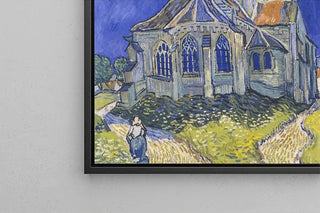
Frame (optional)
Art print Femme et jeune garçon étude pour l'enfance de Sixte Quint – Jean-Victor Schnetz – Introduction captivante
The painting is an open window into imaginary worlds, emotions, and stories. The work "Femme et jeune garçon étude pour l'enfance de Sixte Quint" by Jean-Victor Schnetz is no exception. It embodies both tenderness and the complexity of human relationships, while fitting into a rich and fascinating artistic context. This study, created by Schnetz, is part of the French academic tradition of the 19th century, where the depiction of the human figure is both a technical challenge and a quest for expression. By contemplating this work, the viewer is invited to delve into the intimacy of a frozen moment, where a mother's tenderness and a child's innocence intertwine.
Style and uniqueness of the work
Schnetz's style is characterized by an impressive mastery of chiaroscuro and meticulous attention to detail. In "Femme et jeune garçon étude pour l'enfance de Sixte Quint," each brushstroke seems to vibrate with its own life, capturing not only the physical features of the characters but also their emotional essence. The composition is skillfully orchestrated, highlighting the relationship between the woman and the child, while creating a harmonious balance within the whole. The chosen colors, both soft and luminous, evoke a warm and comforting atmosphere. Schnetz manages to transcend mere representation to offer a true reflection on motherhood and innocence, making his work timeless and universal.
The artist and his influence
Jean-Victor Schnetz, born in 1787, was a French painter whose work was influenced by the great masters of the Renaissance and Baroque periods. Trained at the École des Beaux-Arts, he was able to combine tradition and innovation throughout his career. Schnetz was a key figure in the academic movement, but he also embraced the new trends of his time, notably Romanticism. His work is marked by a unique sensitivity, capable of touching the heart of the viewer. As a professor at the École des Beaux-Arts, he also trained many
Painting of Woman and Young Boy Study for the Childhood of Sixtus Quintus - Jean-Victor Schnetz | Art print

-10% FROM €95 IN PURCHASES
-15% FROM €195 IN PURCHASES
Regular price
- Unit price
- per
Tax included.
Free shipping
€4.90 / Free shipping on orders over €39
Satisfied or Money Back
Free returns within 30 days
10-year warranty
Our prints are guaranteed for 10 years
Any questions? We are here!
by email to contact@artemlegrand.com
THE STEPS OF YOUR ORDER

STEP 1 - ORDER PLACED
Your order has been confirmed and we are starting production
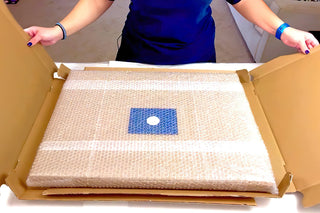
STEP 2 - SHIPPING
We ship your order. We send you an email to track the progress

STEP 3 - DELIVERY
You receive your order. You can also, according to your choice, be delivered to a relay point.
Matte finish
View from behind
Frame (optional)
Art print Femme et jeune garçon étude pour l'enfance de Sixte Quint – Jean-Victor Schnetz – Introduction captivante
The painting is an open window into imaginary worlds, emotions, and stories. The work "Femme et jeune garçon étude pour l'enfance de Sixte Quint" by Jean-Victor Schnetz is no exception. It embodies both tenderness and the complexity of human relationships, while fitting into a rich and fascinating artistic context. This study, created by Schnetz, is part of the French academic tradition of the 19th century, where the depiction of the human figure is both a technical challenge and a quest for expression. By contemplating this work, the viewer is invited to delve into the intimacy of a frozen moment, where a mother's tenderness and a child's innocence intertwine.
Style and uniqueness of the work
Schnetz's style is characterized by an impressive mastery of chiaroscuro and meticulous attention to detail. In "Femme et jeune garçon étude pour l'enfance de Sixte Quint," each brushstroke seems to vibrate with its own life, capturing not only the physical features of the characters but also their emotional essence. The composition is skillfully orchestrated, highlighting the relationship between the woman and the child, while creating a harmonious balance within the whole. The chosen colors, both soft and luminous, evoke a warm and comforting atmosphere. Schnetz manages to transcend mere representation to offer a true reflection on motherhood and innocence, making his work timeless and universal.
The artist and his influence
Jean-Victor Schnetz, born in 1787, was a French painter whose work was influenced by the great masters of the Renaissance and Baroque periods. Trained at the École des Beaux-Arts, he was able to combine tradition and innovation throughout his career. Schnetz was a key figure in the academic movement, but he also embraced the new trends of his time, notably Romanticism. His work is marked by a unique sensitivity, capable of touching the heart of the viewer. As a professor at the École des Beaux-Arts, he also trained many
12,34 €