
Painting Woman and Servant - Nishikawa Sukenobu | Art print


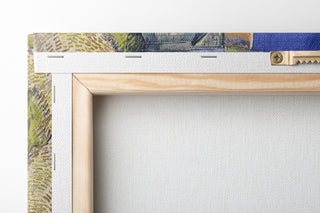
View from behind
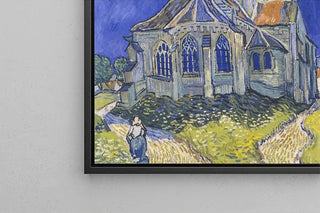
Frame (optional)
Captivating Introduction to Femme et Servante Art print by Nishikawa Sukenobu
At the heart of 18th-century Japanese art, the piece "Femme et servante" by Nishikawa Sukenobu stands as a vibrant testament to the beauty and delicacy of daily life. This artwork, capturing an intimate moment between a woman and her servant, transports us to a universe where elegance and simplicity coexist harmoniously. Through this depiction, Sukenobu not only portrays female figures; he also evokes emotions, relationships, and a refined way of life. The art print of this work invites reflection on the role of women in Japanese society of the time, while celebrating the artist's virtuosity.
Style and uniqueness of the work
Sukenobu's style is distinguished by his ability to blend realism and aestheticism. In "Femme et servante," the meticulous details of the kimonos, elaborate hairstyles, and delicate expressions of the characters demonstrate exceptional mastery of drawing and color. The pastel shades, typical of ukiyo-e, add softness to the scene, while floral motifs and natural elements surrounding it reinforce the idea of harmony. The piece is not limited to a simple representation but becomes a true living tableau, where each element contributes to the story the artist wishes to tell. The composition, both balanced and dynamic, draws the eye and invites prolonged contemplation.
The artist and his influence
Nishikawa Sukenobu, an emblematic figure of the ukiyo-e school, left a mark on his era through his innovative approach and artistic sensitivity. Active in Kyoto, he captured the essence of urban life while highlighting the beauty of women, often depicted in scenes of daily life. His influence extends far beyond his time, inspiring many artists who followed in his footsteps. Through his works, Sukenobu helped shape the image of women in Japanese art, presenting them as muses, figures of beauty and grace. His legacy endures, and "Femme et servante" remains an emblematic example of his
Painting Woman and Servant - Nishikawa Sukenobu | Art print

-10% FROM €95 IN PURCHASES
-15% FROM €195 IN PURCHASES
Regular price
- Unit price
- per
Tax included.
Free shipping
€4.90 / Free shipping on orders over €39
Satisfied or Money Back
Free returns within 30 days
10-year warranty
Our prints are guaranteed for 10 years
Any questions? We are here!
by email to contact@artemlegrand.com
THE STEPS OF YOUR ORDER

STEP 1 - ORDER PLACED
Your order has been confirmed and we are starting production
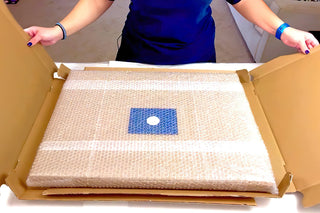
STEP 2 - SHIPPING
We ship your order. We send you an email to track the progress

STEP 3 - DELIVERY
You receive your order. You can also, according to your choice, be delivered to a relay point.
Matte finish
View from behind
Frame (optional)
Captivating Introduction to Femme et Servante Art print by Nishikawa Sukenobu
At the heart of 18th-century Japanese art, the piece "Femme et servante" by Nishikawa Sukenobu stands as a vibrant testament to the beauty and delicacy of daily life. This artwork, capturing an intimate moment between a woman and her servant, transports us to a universe where elegance and simplicity coexist harmoniously. Through this depiction, Sukenobu not only portrays female figures; he also evokes emotions, relationships, and a refined way of life. The art print of this work invites reflection on the role of women in Japanese society of the time, while celebrating the artist's virtuosity.
Style and uniqueness of the work
Sukenobu's style is distinguished by his ability to blend realism and aestheticism. In "Femme et servante," the meticulous details of the kimonos, elaborate hairstyles, and delicate expressions of the characters demonstrate exceptional mastery of drawing and color. The pastel shades, typical of ukiyo-e, add softness to the scene, while floral motifs and natural elements surrounding it reinforce the idea of harmony. The piece is not limited to a simple representation but becomes a true living tableau, where each element contributes to the story the artist wishes to tell. The composition, both balanced and dynamic, draws the eye and invites prolonged contemplation.
The artist and his influence
Nishikawa Sukenobu, an emblematic figure of the ukiyo-e school, left a mark on his era through his innovative approach and artistic sensitivity. Active in Kyoto, he captured the essence of urban life while highlighting the beauty of women, often depicted in scenes of daily life. His influence extends far beyond his time, inspiring many artists who followed in his footsteps. Through his works, Sukenobu helped shape the image of women in Japanese art, presenting them as muses, figures of beauty and grace. His legacy endures, and "Femme et servante" remains an emblematic example of his
12,34 €