
Painting When We Were Boys Together - Thomas Waterman Wood | Art print


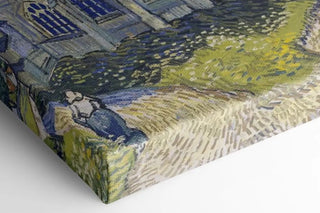
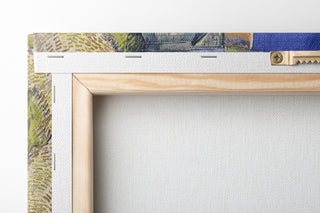
View from behind
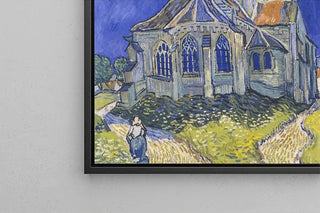
Frame (optional)
In the rich and complex universe of art history, certain artworks manage to capture the essence of an era while evoking intense and universal emotions. "When We Were Boys Together" by Thomas Waterman Wood is one of these iconic pieces. This painting, through its composition and subject matter, transports us to a childhood filled with camaraderie and nostalgia. The youthful figures, frozen in a moment of friendship, remind us of the purity of human relationships and the simplicity of childhood pleasures. The work invites the viewer to delve into their memories, to relive moments of shared joy, while offering a reflection on the passage of time and the fragility of these precious moments.
Style and uniqueness of the work
Thomas Waterman Wood's style is distinguished by a realistic approach and a meticulous attention to detail that confer a rare emotional depth to his characters. In "When We Were Boys Together," warm colors and delicate lighting create an intimate atmosphere. The faces of the boys, expressive and lively, demonstrate a particular focus on the humanity of his subjects. Wood, a master of portraiture, manages to capture not only the physical appearance of children but also the innocence and mischievousness that inhabit them. This painting also stands out for its background, which, although less detailed, plays a crucial role in highlighting the interaction between the characters. This harmony between the subject and its environment reinforces the idea of carefree childhood, where every moment is precious and meaningful.
The artist and his influence
Thomas Waterman Wood, a 19th-century American artist, is often recognized for his ability to capture everyday life with a unique sensitivity. His work, although less well-known than that of some of his contemporaries, has left an indelible mark on the artistic landscape of his time. Influenced by realist and impressionist movements, Wood was able to incorporate elements of these styles while developing his own distinctive approach. His work has been praised for its capacity to evoke deep emotions and establish an intimate connection with the viewer. By focusing on themes such as childhood
Painting When We Were Boys Together - Thomas Waterman Wood | Art print

-10% FROM €95 IN PURCHASES
-15% FROM €195 IN PURCHASES
Regular price
- Unit price
- per
Tax included.
Free shipping
€4.90 / Free shipping on orders over €39
Satisfied or Money Back
Free returns within 30 days
10-year warranty
Our prints are guaranteed for 10 years
Any questions? We are here!
by email to contact@artemlegrand.com
THE STEPS OF YOUR ORDER

STEP 1 - ORDER PLACED
Your order has been confirmed and we are starting production
STEP 2 - SHIPPING
We ship your order. We send you an email to track the progress

STEP 3 - DELIVERY
You receive your order. You can also, according to your choice, be delivered to a relay point.
Matte finish
View from behind
Frame (optional)
In the rich and complex universe of art history, certain artworks manage to capture the essence of an era while evoking intense and universal emotions. "When We Were Boys Together" by Thomas Waterman Wood is one of these iconic pieces. This painting, through its composition and subject matter, transports us to a childhood filled with camaraderie and nostalgia. The youthful figures, frozen in a moment of friendship, remind us of the purity of human relationships and the simplicity of childhood pleasures. The work invites the viewer to delve into their memories, to relive moments of shared joy, while offering a reflection on the passage of time and the fragility of these precious moments.
Style and uniqueness of the work
Thomas Waterman Wood's style is distinguished by a realistic approach and a meticulous attention to detail that confer a rare emotional depth to his characters. In "When We Were Boys Together," warm colors and delicate lighting create an intimate atmosphere. The faces of the boys, expressive and lively, demonstrate a particular focus on the humanity of his subjects. Wood, a master of portraiture, manages to capture not only the physical appearance of children but also the innocence and mischievousness that inhabit them. This painting also stands out for its background, which, although less detailed, plays a crucial role in highlighting the interaction between the characters. This harmony between the subject and its environment reinforces the idea of carefree childhood, where every moment is precious and meaningful.
The artist and his influence
Thomas Waterman Wood, a 19th-century American artist, is often recognized for his ability to capture everyday life with a unique sensitivity. His work, although less well-known than that of some of his contemporaries, has left an indelible mark on the artistic landscape of his time. Influenced by realist and impressionist movements, Wood was able to incorporate elements of these styles while developing his own distinctive approach. His work has been praised for its capacity to evoke deep emotions and establish an intimate connection with the viewer. By focusing on themes such as childhood
12,34 €