
Painting Visit to the Cook's House - Vladimir Egorovich Makovsky


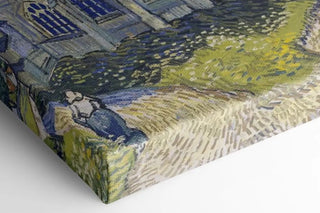
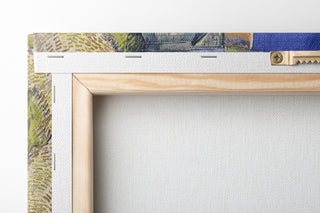
View from behind
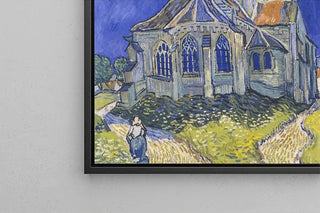
Frame (optional)
In the vibrant universe of 19th-century Russian art, "Visite chez the Cook" by Vladimir Egorovich Makovsky stands out for its lively and warm depiction of domestic life. This artwork, which portrays a familiar scene where characters interact around a meal, invites the viewer to enter a moment of conviviality and intimacy. Makovsky, with his skill in capturing human emotions, manages to create an atmosphere that evokes both simplicity and the richness of human relationships. The art print of this piece allows appreciation not only of the artist's technique but also of the universal message it conveys: that of harmony and communion around the table.
Style and uniqueness of the work
Makovsky's style is characterized by meticulous realism and particular attention to detail. In "Visite chez the Cook," he uses warm colors and subtle lighting to emphasize the expressions of the characters and the scene's ambiance. Every face, every gesture is carefully rendered, demonstrating the artist's expertise in observing everyday life. The textures of clothing, the shine of kitchen utensils, and even the arrangement of food on the table are elements that enrich the composition. This attention to detail, combined with captivating visual storytelling, makes this work a true invitation to explore the social and cultural dynamics of the period. The scene, although seemingly simple, is charged with meanings and emotions, allowing each viewer to project themselves into it.
The artist and his influence
Vladimir Egorovich Makovsky, born in 1846, is a painter whose work is rooted in the realist movement. A student of the Saint Petersburg Academy of Arts, he established himself through his ability to depict scenes of everyday life with rare emotional depth. His commitment to faithfully representing the social reality of his time made him a prominent figure in Russian art. Makovsky does not merely paint genre scenes; he uses them as a means to comment on the customs and values of society. Through his works, he
Painting Visit to the Cook's House - Vladimir Egorovich Makovsky

-10% FROM €95 IN PURCHASES
-15% FROM €195 IN PURCHASES
Regular price
- Unit price
- per
Tax included.
Free shipping
€4.90 / Free shipping on orders over €39
Satisfied or Money Back
Free returns within 30 days
10-year warranty
Our prints are guaranteed for 10 years
Any questions? We are here!
by email to contact@artemlegrand.com
THE STEPS OF YOUR ORDER

STEP 1 - ORDER PLACED
Your order has been confirmed and we are starting production
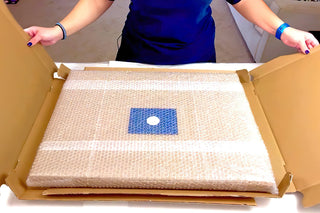
STEP 2 - SHIPPING
We ship your order. We send you an email to track the progress

STEP 3 - DELIVERY
You receive your order. You can also, according to your choice, be delivered to a relay point.
Matte finish
View from behind
Frame (optional)
In the vibrant universe of 19th-century Russian art, "Visite chez the Cook" by Vladimir Egorovich Makovsky stands out for its lively and warm depiction of domestic life. This artwork, which portrays a familiar scene where characters interact around a meal, invites the viewer to enter a moment of conviviality and intimacy. Makovsky, with his skill in capturing human emotions, manages to create an atmosphere that evokes both simplicity and the richness of human relationships. The art print of this piece allows appreciation not only of the artist's technique but also of the universal message it conveys: that of harmony and communion around the table.
Style and uniqueness of the work
Makovsky's style is characterized by meticulous realism and particular attention to detail. In "Visite chez the Cook," he uses warm colors and subtle lighting to emphasize the expressions of the characters and the scene's ambiance. Every face, every gesture is carefully rendered, demonstrating the artist's expertise in observing everyday life. The textures of clothing, the shine of kitchen utensils, and even the arrangement of food on the table are elements that enrich the composition. This attention to detail, combined with captivating visual storytelling, makes this work a true invitation to explore the social and cultural dynamics of the period. The scene, although seemingly simple, is charged with meanings and emotions, allowing each viewer to project themselves into it.
The artist and his influence
Vladimir Egorovich Makovsky, born in 1846, is a painter whose work is rooted in the realist movement. A student of the Saint Petersburg Academy of Arts, he established himself through his ability to depict scenes of everyday life with rare emotional depth. His commitment to faithfully representing the social reality of his time made him a prominent figure in Russian art. Makovsky does not merely paint genre scenes; he uses them as a means to comment on the customs and values of society. Through his works, he
12,34 €