
L'annonce de la Vierge - Masolino da Panicale | Art print


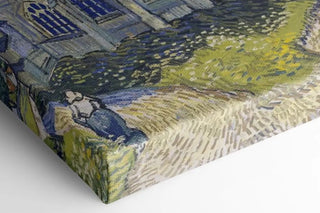
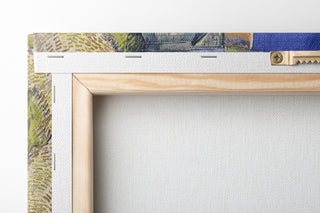
View from behind
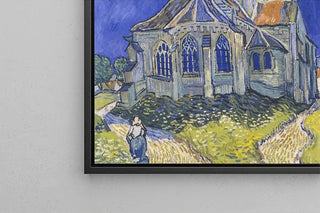
Frame (optional)
Reproduction of The Annunciation of the Virgin - Masolino da Panicale – Captivating Introduction
In the fascinating universe of Renaissance painting, the artwork "The Annunciation of the Virgin" by Masolino da Panicale stands out for its delicacy and spiritual depth. This iconic scene, depicting the Annunciation, captures a moment of divine revelation where the archangel Gabriel announces to the Virgin Mary that she will be the mother of Christ. The composition, imbued with an almost palpable serenity, invites the viewer to silent and meditative contemplation. Immersing oneself in this piece, one feels an intimate connection with the era and beliefs that shaped it. Masolino, through his talent, manages to transcend time and resonate within us with the echo of a living faith and timeless beauty.
Style and uniqueness of the work
The originality of "The Annunciation of the Virgin" lies in the harmony of colors and the finesse of details. Masolino, a true master of light, plays with nuances to create an atmosphere that is both soft and luminous. The drapery of the garments, meticulously rendered, seems almost tangible, while the expressions on the faces reveal rare emotional depth. The archangel Gabriel, with his wings delicately spread, presents himself as a divine messenger, while the Virgin, in her humble posture, embodies purity and acceptance. This painting does not merely depict a religious scene; it also evokes universal themes such as hope, faith, and the promise of a radiant future. Mastery of perspective and balanced composition enhance the visual impact of the work, making it a true masterpiece of the Renaissance.
The artist and his influence
Masolino da Panicale, active in the early 15th century, is often regarded as a precursor to the great masters of the Renaissance. His style, combining Gothic tradition and innovations in Florentine painting, inspired many artists, notably his pupil Masaccio. Masolino's innovative approach, which incorporates elements of nature and human psychology into his works, contributes to the evolution of sacred art toward a more realistic and accessible representation.
L'annonce de la Vierge - Masolino da Panicale | Art print

-10% FROM €95 IN PURCHASES
-15% FROM €195 IN PURCHASES
Regular price
- Unit price
- per
Tax included.
Free shipping
€4.90 / Free shipping on orders over €39
Satisfied or Money Back
Free returns within 30 days
10-year warranty
Our prints are guaranteed for 10 years
Any questions? We are here!
by email to contact@artemlegrand.com
THE STEPS OF YOUR ORDER

STEP 1 - ORDER PLACED
Your order has been confirmed and we are starting production
STEP 2 - SHIPPING
We ship your order. We send you an email to track the progress

STEP 3 - DELIVERY
You receive your order. You can also, according to your choice, be delivered to a relay point.
Matte finish
View from behind
Frame (optional)
Reproduction of The Annunciation of the Virgin - Masolino da Panicale – Captivating Introduction
In the fascinating universe of Renaissance painting, the artwork "The Annunciation of the Virgin" by Masolino da Panicale stands out for its delicacy and spiritual depth. This iconic scene, depicting the Annunciation, captures a moment of divine revelation where the archangel Gabriel announces to the Virgin Mary that she will be the mother of Christ. The composition, imbued with an almost palpable serenity, invites the viewer to silent and meditative contemplation. Immersing oneself in this piece, one feels an intimate connection with the era and beliefs that shaped it. Masolino, through his talent, manages to transcend time and resonate within us with the echo of a living faith and timeless beauty.
Style and uniqueness of the work
The originality of "The Annunciation of the Virgin" lies in the harmony of colors and the finesse of details. Masolino, a true master of light, plays with nuances to create an atmosphere that is both soft and luminous. The drapery of the garments, meticulously rendered, seems almost tangible, while the expressions on the faces reveal rare emotional depth. The archangel Gabriel, with his wings delicately spread, presents himself as a divine messenger, while the Virgin, in her humble posture, embodies purity and acceptance. This painting does not merely depict a religious scene; it also evokes universal themes such as hope, faith, and the promise of a radiant future. Mastery of perspective and balanced composition enhance the visual impact of the work, making it a true masterpiece of the Renaissance.
The artist and his influence
Masolino da Panicale, active in the early 15th century, is often regarded as a precursor to the great masters of the Renaissance. His style, combining Gothic tradition and innovations in Florentine painting, inspired many artists, notably his pupil Masaccio. Masolino's innovative approach, which incorporates elements of nature and human psychology into his works, contributes to the evolution of sacred art toward a more realistic and accessible representation.
12,34 €