
Art print Virgin and Child - Pietro Perugino | Art print


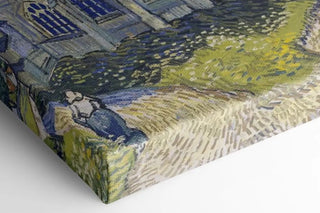
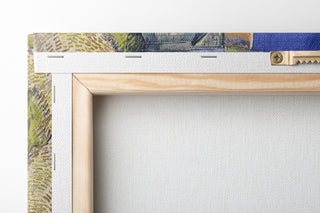
View from behind
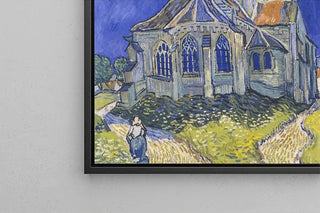
Frame (optional)
The "Vierge à l'Enfant" by Pietro Perugino is an iconic artwork that embodies the quintessence of the Italian Renaissance. This piece, both serene and emotive, transports us into a universe where spirituality and beauty coexist harmoniously. Contemplating this representation, one is immediately struck by the tenderness of the faces and the brilliance of the colors, which seem to vibrate with an inner light. The artist succeeds in capturing a moment of tenderness between the Virgin Mary and the Child Jesus, a scene that evokes universal themes such as maternal love and divine protection. This work, full of subtlety, invites us to reflect on the sacred nature of motherhood while immersing us in the refined aesthetics of the period.
Style and uniqueness of the work
The style of Perugino is distinguished by his mastery of proportions and perspectives, elements that give his works a striking depth. In the "Vierge à l'Enfant", the composition is carefully balanced, with figures arranged to create a visual harmony that draws the eye. The drapery of the clothing, with their fluidity and lightness, testify to exceptional craftsmanship, while the delicate features of the characters add an almost divine dimension to their depiction. The color palette, soft and soothing, evokes serenity and peace, thus reinforcing the spiritual message of the work. Every detail, every shadow, is designed to guide the viewer into meditative contemplation, making this painting a true masterpiece of sacred art.
The artist and his influence
Pietro Perugino, master of the Renaissance, not only marked his era with his works but also influenced an entire generation of artists. A pupil of Verrocchio, he developed a style that combines the rigor of classical training with personal sensitivity. His innovative approach to perspective and composition paved the way for artists such as Raphael, who was one of his students. Perugino was able to incorporate elements of nature into his works, creating landscape backgrounds that add an extra dimension to his representations.
Art print Virgin and Child - Pietro Perugino | Art print

-10% FROM €95 IN PURCHASES
-15% FROM €195 IN PURCHASES
Regular price
- Unit price
- per
Tax included.
Free shipping
€4.90 / Free shipping on orders over €39
Satisfied or Money Back
Free returns within 30 days
10-year warranty
Our prints are guaranteed for 10 years
Any questions? We are here!
by email to contact@artemlegrand.com
THE STEPS OF YOUR ORDER
STEP 1 - ORDER PLACED
Your order has been confirmed and we are starting production
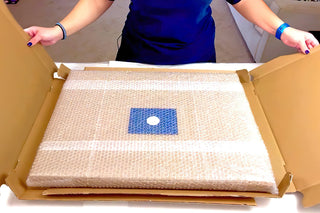
STEP 2 - SHIPPING
We ship your order. We send you an email to track the progress

STEP 3 - DELIVERY
You receive your order. You can also, according to your choice, be delivered to a relay point.
Matte finish
View from behind
Frame (optional)
The "Vierge à l'Enfant" by Pietro Perugino is an iconic artwork that embodies the quintessence of the Italian Renaissance. This piece, both serene and emotive, transports us into a universe where spirituality and beauty coexist harmoniously. Contemplating this representation, one is immediately struck by the tenderness of the faces and the brilliance of the colors, which seem to vibrate with an inner light. The artist succeeds in capturing a moment of tenderness between the Virgin Mary and the Child Jesus, a scene that evokes universal themes such as maternal love and divine protection. This work, full of subtlety, invites us to reflect on the sacred nature of motherhood while immersing us in the refined aesthetics of the period.
Style and uniqueness of the work
The style of Perugino is distinguished by his mastery of proportions and perspectives, elements that give his works a striking depth. In the "Vierge à l'Enfant", the composition is carefully balanced, with figures arranged to create a visual harmony that draws the eye. The drapery of the clothing, with their fluidity and lightness, testify to exceptional craftsmanship, while the delicate features of the characters add an almost divine dimension to their depiction. The color palette, soft and soothing, evokes serenity and peace, thus reinforcing the spiritual message of the work. Every detail, every shadow, is designed to guide the viewer into meditative contemplation, making this painting a true masterpiece of sacred art.
The artist and his influence
Pietro Perugino, master of the Renaissance, not only marked his era with his works but also influenced an entire generation of artists. A pupil of Verrocchio, he developed a style that combines the rigor of classical training with personal sensitivity. His innovative approach to perspective and composition paved the way for artists such as Raphael, who was one of his students. Perugino was able to incorporate elements of nature into his works, creating landscape backgrounds that add an extra dimension to his representations.
12,34 €