
Village Fair Painting - Gustave De Smet | Art print


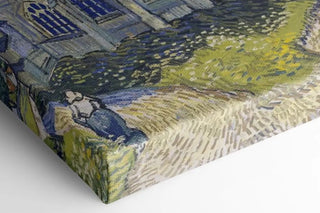
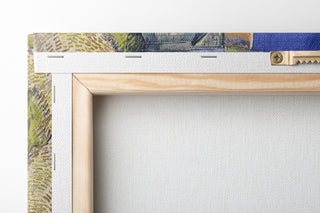
View from behind
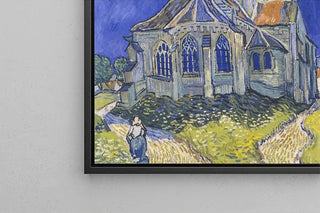
Frame (optional)
The artwork "Village Fair" by Gustave De Smet transports us to the heart of a vibrant, lively scene where village life flourishes in a colorful harmony. This piece, emblematic of the expressionist movement, captures the very essence of rural festivities, blending joy and simplicity. De Smet, through his bold palette and dynamic brushstrokes, succeeds in evoking an atmosphere that is both nostalgic and lively, inviting us to feel the excitement of a moment shared by a community. The art print of this work offers us the opportunity to immerse ourselves in a universe where each character, each detail, tells a story, a collective memory.
Style and uniqueness of the work
Gustave De Smet's style is distinguished by his daring use of colors and shapes. In "Village Fair," the vivid and saturated hues intertwine to create a painting of great visual intensity. The characters, although stylized, are imbued with a palpable expressiveness that captures the eye and imagination. The smiling faces and animated gestures reveal a contagious joy of living, while the landscape elements, such as trees and buildings, are rendered with a simplicity that contrasts with the richness of human emotions. This blend of realism and abstraction gives the artwork a singularity that makes it timeless, allowing viewers to interact with the piece on a personal and emotional level.
The artist and his influence
Gustave De Smet, a major figure in Belgian art of the early 20th century, knew how to mark his era through his artistic commitment and his desire to depict everyday life in a new light. Influenced by modern currents, he integrated elements of Fauvism and Expressionism into his work, while remaining deeply rooted in the reality of his country. His ability to capture the soul of people and places made him a respected and admired artist. Through "Village Fair," De Smet does not merely depict a festive scene; he immortalizes a moment of sharing and conviviality, thus revealing the essential human values of his
Village Fair Painting - Gustave De Smet | Art print

-10% FROM €95 IN PURCHASES
-15% FROM €195 IN PURCHASES
Regular price
- Unit price
- per
Tax included.
Free shipping
€4.90 / Free shipping on orders over €39
Satisfied or Money Back
Free returns within 30 days
10-year warranty
Our prints are guaranteed for 10 years
Any questions? We are here!
by email to contact@artemlegrand.com
THE STEPS OF YOUR ORDER

STEP 1 - ORDER PLACED
Your order has been confirmed and we are starting production
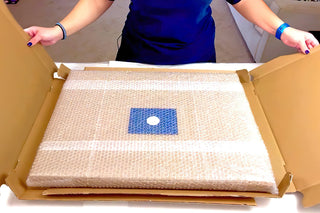
STEP 2 - SHIPPING
We ship your order. We send you an email to track the progress

STEP 3 - DELIVERY
You receive your order. You can also, according to your choice, be delivered to a relay point.
Matte finish
View from behind
Frame (optional)
The artwork "Village Fair" by Gustave De Smet transports us to the heart of a vibrant, lively scene where village life flourishes in a colorful harmony. This piece, emblematic of the expressionist movement, captures the very essence of rural festivities, blending joy and simplicity. De Smet, through his bold palette and dynamic brushstrokes, succeeds in evoking an atmosphere that is both nostalgic and lively, inviting us to feel the excitement of a moment shared by a community. The art print of this work offers us the opportunity to immerse ourselves in a universe where each character, each detail, tells a story, a collective memory.
Style and uniqueness of the work
Gustave De Smet's style is distinguished by his daring use of colors and shapes. In "Village Fair," the vivid and saturated hues intertwine to create a painting of great visual intensity. The characters, although stylized, are imbued with a palpable expressiveness that captures the eye and imagination. The smiling faces and animated gestures reveal a contagious joy of living, while the landscape elements, such as trees and buildings, are rendered with a simplicity that contrasts with the richness of human emotions. This blend of realism and abstraction gives the artwork a singularity that makes it timeless, allowing viewers to interact with the piece on a personal and emotional level.
The artist and his influence
Gustave De Smet, a major figure in Belgian art of the early 20th century, knew how to mark his era through his artistic commitment and his desire to depict everyday life in a new light. Influenced by modern currents, he integrated elements of Fauvism and Expressionism into his work, while remaining deeply rooted in the reality of his country. His ability to capture the soul of people and places made him a respected and admired artist. Through "Village Fair," De Smet does not merely depict a festive scene; he immortalizes a moment of sharing and conviviality, thus revealing the essential human values of his
12,34 €