
Art print View along a river with a teahouse on the right - Pieter Bartholomeusz Barbiers | Art print


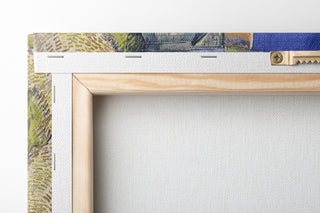
View from behind
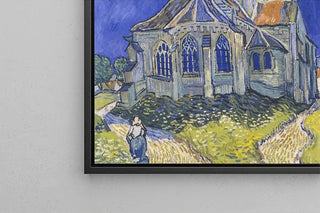
Frame (optional)
In the world of art, some works manage to capture the essence of a moment, a place, or a culture with such depth that they transcend time. "Vue le long d'une rivière avec un pavillon de thé sur la droite - Pieter Bartholomeusz Barbiers" is one of these creations. This painting, evoking a peaceful and contemplative scene, transports us to a universe where nature and architecture harmonize perfectly. The delicate nuances of Barbiers' palette, along with the carefully orchestrated composition, invite the viewer to immerse themselves in an atmosphere of serenity and beauty. Through this artwork, the artist succeeds in evoking not only a landscape but also a sensory experience, encouraging us to feel the gentle breeze caressing the riverbanks.
Style and uniqueness of the work
Barbiers' style is distinguished by his ability to capture moments of tranquility and harmony. In "Vue le long d'une rivière avec un pavillon de thé sur la droite," he employs a realistic approach while incorporating elements of softness and rêverie. The meticulous details, from reflections on the water to the leaves of the trees, testify to attentive observation of nature. The presence of the tea pavilion, a symbol of conviviality and culture, adds a narrative dimension to the piece. This choice of subject, as well as the way it is integrated into the landscape, reminds us of the importance of human interactions with their environment. Light also plays a key role in this composition, creating delicate shadows that add depth and texture to the scene. Each element seems to dialogue with the others, forming a visual symphony that invites contemplation.
The artist and his influence
Pieter Bartholomeusz Barbiers, a Dutch artist of the 17th century, established himself as a master of landscape painting. His work is marked by a constant pursuit of natural beauty, as well as a desire to translate emotions through the representation of nature. Barbiers was influenced by the artistic traditions of his time, but he also knew
Art print View along a river with a teahouse on the right - Pieter Bartholomeusz Barbiers | Art print

-10% FROM €95 IN PURCHASES
-15% FROM €195 IN PURCHASES
Regular price
- Unit price
- per
Tax included.
Free shipping
€4.90 / Free shipping on orders over €39
Satisfied or Money Back
Free returns within 30 days
10-year warranty
Our prints are guaranteed for 10 years
Any questions? We are here!
by email to contact@artemlegrand.com
THE STEPS OF YOUR ORDER

STEP 1 - ORDER PLACED
Your order has been confirmed and we are starting production
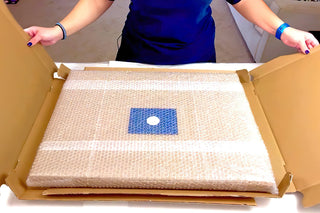
STEP 2 - SHIPPING
We ship your order. We send you an email to track the progress

STEP 3 - DELIVERY
You receive your order. You can also, according to your choice, be delivered to a relay point.
Matte finish
View from behind
Frame (optional)
In the world of art, some works manage to capture the essence of a moment, a place, or a culture with such depth that they transcend time. "Vue le long d'une rivière avec un pavillon de thé sur la droite - Pieter Bartholomeusz Barbiers" is one of these creations. This painting, evoking a peaceful and contemplative scene, transports us to a universe where nature and architecture harmonize perfectly. The delicate nuances of Barbiers' palette, along with the carefully orchestrated composition, invite the viewer to immerse themselves in an atmosphere of serenity and beauty. Through this artwork, the artist succeeds in evoking not only a landscape but also a sensory experience, encouraging us to feel the gentle breeze caressing the riverbanks.
Style and uniqueness of the work
Barbiers' style is distinguished by his ability to capture moments of tranquility and harmony. In "Vue le long d'une rivière avec un pavillon de thé sur la droite," he employs a realistic approach while incorporating elements of softness and rêverie. The meticulous details, from reflections on the water to the leaves of the trees, testify to attentive observation of nature. The presence of the tea pavilion, a symbol of conviviality and culture, adds a narrative dimension to the piece. This choice of subject, as well as the way it is integrated into the landscape, reminds us of the importance of human interactions with their environment. Light also plays a key role in this composition, creating delicate shadows that add depth and texture to the scene. Each element seems to dialogue with the others, forming a visual symphony that invites contemplation.
The artist and his influence
Pieter Bartholomeusz Barbiers, a Dutch artist of the 17th century, established himself as a master of landscape painting. His work is marked by a constant pursuit of natural beauty, as well as a desire to translate emotions through the representation of nature. Barbiers was influenced by the artistic traditions of his time, but he also knew
12,34 €