
Victor Hugo painting planting the tree of liberty on the Royal Square in 1848 - Hermann Vogel | Art print


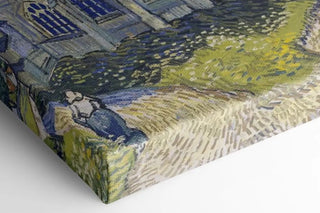
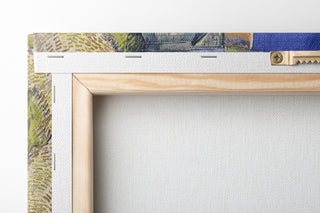
View from behind
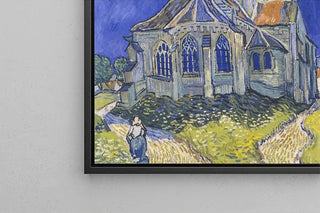
Frame (optional)
Victor Hugo planting the tree of liberty on Place Royale in 1848 - Hermann Vogel – Captivating Introduction
Hermann Vogel's artwork, "Victor Hugo planting the tree of liberty on Place Royale in 1848," is an iconic depiction of a pivotal moment in French history. This scene, imbued with profound historical resonance, illustrates not only Victor Hugo's role as a literary figure but also his political and social commitment. The painting immerses us in the excitement of the 1848 Revolution, where the tree of liberty becomes a powerful symbol of hope and change. Through this piece, Vogel manages to capture the spirit of a transformative era, where republican and democratic ideals took shape. The viewer is invited to feel the palpable energy of this moment, both jubilant and uncertain, as a new future seemed to be taking shape.
Style and uniqueness of the work
Hermann Vogel's style is distinguished by his ability to blend realism and idealization. In this piece, the figures are rendered with meticulous precision, while vibrant colors breathe new life into the composition. The tree of liberty, majestic, occupies a central and symbolic position, while the characters surrounding it express a range of emotions from hope to determination. Light plays a crucial role in the scene, creating contrasts that enhance the depth and dynamism of the entire work. Vogel succeeds in establishing a harmonious balance between movement and serenity, allowing the viewer to feel the intensity of the moment while appreciating the beauty of the form. Every detail, from Hugo's determined face to the expressions of the citizens, reflects a deep commitment to historical truth while celebrating the spirit of freedom.
The artist and his influence
Hermann Vogel, prolific painter and illustrator of the 19th century, established himself as a significant figure in French art. His work is characterized by a keen attention to detail and a passion for historical and literary themes. By choosing to depict Victor Hugo, Vogel aligns with an artistic tradition that values social and political engagement. Hugo, as a poet and novelist, was not
Victor Hugo painting planting the tree of liberty on the Royal Square in 1848 - Hermann Vogel | Art print

-10% FROM €95 IN PURCHASES
-15% FROM €195 IN PURCHASES
Regular price
- Unit price
- per
Tax included.
Free shipping
€4.90 / Free shipping on orders over €39
Satisfied or Money Back
Free returns within 30 days
10-year warranty
Our prints are guaranteed for 10 years
Any questions? We are here!
by email to contact@artemlegrand.com
THE STEPS OF YOUR ORDER

STEP 1 - ORDER PLACED
Your order has been confirmed and we are starting production

STEP 2 - SHIPPING
We ship your order. We send you an email to track the progress

STEP 3 - DELIVERY
You receive your order. You can also, according to your choice, be delivered to a relay point.
Matte finish
View from behind
Frame (optional)
Victor Hugo planting the tree of liberty on Place Royale in 1848 - Hermann Vogel – Captivating Introduction
Hermann Vogel's artwork, "Victor Hugo planting the tree of liberty on Place Royale in 1848," is an iconic depiction of a pivotal moment in French history. This scene, imbued with profound historical resonance, illustrates not only Victor Hugo's role as a literary figure but also his political and social commitment. The painting immerses us in the excitement of the 1848 Revolution, where the tree of liberty becomes a powerful symbol of hope and change. Through this piece, Vogel manages to capture the spirit of a transformative era, where republican and democratic ideals took shape. The viewer is invited to feel the palpable energy of this moment, both jubilant and uncertain, as a new future seemed to be taking shape.
Style and uniqueness of the work
Hermann Vogel's style is distinguished by his ability to blend realism and idealization. In this piece, the figures are rendered with meticulous precision, while vibrant colors breathe new life into the composition. The tree of liberty, majestic, occupies a central and symbolic position, while the characters surrounding it express a range of emotions from hope to determination. Light plays a crucial role in the scene, creating contrasts that enhance the depth and dynamism of the entire work. Vogel succeeds in establishing a harmonious balance between movement and serenity, allowing the viewer to feel the intensity of the moment while appreciating the beauty of the form. Every detail, from Hugo's determined face to the expressions of the citizens, reflects a deep commitment to historical truth while celebrating the spirit of freedom.
The artist and his influence
Hermann Vogel, prolific painter and illustrator of the 19th century, established himself as a significant figure in French art. His work is characterized by a keen attention to detail and a passion for historical and literary themes. By choosing to depict Victor Hugo, Vogel aligns with an artistic tradition that values social and political engagement. Hugo, as a poet and novelist, was not
12,34 €