
Painting Venus and Cupid - Pieter Isaacsz | Art print


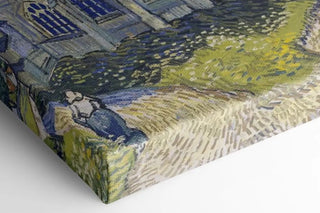
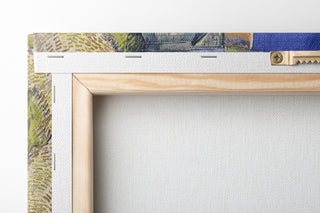
View from behind
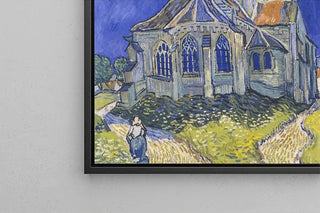
Frame (optional)
Vénus et Cupidon - Pieter Isaacsz – Captivating Introduction
The artwork "Vénus et Cupidon" by Pieter Isaacsz embodies a masterful encounter between mythology and art, revealing a scene filled with sensuality and tenderness. In this depiction, the goddess of love, Vénus, is highlighted alongside her son, Cupidon. The artist manages to capture the very essence of love, both protective and mischievous, while immersing the viewer in a universe where the divine meets the human. This piece, a true ode to beauty, evokes deep and timeless emotions, inviting everyone to reflect on the many facets of love and human relationships.
Style and uniqueness of the artwork
The composition of "Vénus et Cupidon" is a harmonious blend of shimmering colors and meticulously detailed elements. The drapery of Vénus's garments, with rich and luminous hues, contrasts with the delicate skin of the goddess, emphasizing her radiant beauty. The expressions of the characters, both gentle and full of life, reveal a subtle dynamic between maternal affection and childish playfulness. The artist, through skillful use of light and shadow, creates an almost tangible atmosphere, where one can feel the warmth of the embrace and the lightness of the moment. This piece does not merely depict a mythological scene; it transcends time and space, allowing the viewer to project themselves into it and feel the emotions emanating from it.
The artist and his influence
Pieter Isaacsz, a Dutch painter from the early 17th century, is an emblematic figure of the Baroque period. His work is characterized by an exceptional mastery of movement and light, elements that give his works an almost cinematic dimension. Isaacsz drew inspiration from the great masters of his time while developing a personal style, marked by a keen attention to detail and an incredible ability to convey emotions. His influence on Baroque art is undeniable, and "Vénus et Cupidon" is a perfect example. By integrating elements of classical mythology into his
Painting Venus and Cupid - Pieter Isaacsz | Art print

-10% FROM €95 IN PURCHASES
-15% FROM €195 IN PURCHASES
Regular price
- Unit price
- per
Tax included.
Free shipping
€4.90 / Free shipping on orders over €39
Satisfied or Money Back
Free returns within 30 days
10-year warranty
Our prints are guaranteed for 10 years
Any questions? We are here!
by email to contact@artemlegrand.com
THE STEPS OF YOUR ORDER

STEP 1 - ORDER PLACED
Your order has been confirmed and we are starting production
STEP 2 - SHIPPING
We ship your order. We send you an email to track the progress

STEP 3 - DELIVERY
You receive your order. You can also, according to your choice, be delivered to a relay point.
Matte finish
View from behind
Frame (optional)
Vénus et Cupidon - Pieter Isaacsz – Captivating Introduction
The artwork "Vénus et Cupidon" by Pieter Isaacsz embodies a masterful encounter between mythology and art, revealing a scene filled with sensuality and tenderness. In this depiction, the goddess of love, Vénus, is highlighted alongside her son, Cupidon. The artist manages to capture the very essence of love, both protective and mischievous, while immersing the viewer in a universe where the divine meets the human. This piece, a true ode to beauty, evokes deep and timeless emotions, inviting everyone to reflect on the many facets of love and human relationships.
Style and uniqueness of the artwork
The composition of "Vénus et Cupidon" is a harmonious blend of shimmering colors and meticulously detailed elements. The drapery of Vénus's garments, with rich and luminous hues, contrasts with the delicate skin of the goddess, emphasizing her radiant beauty. The expressions of the characters, both gentle and full of life, reveal a subtle dynamic between maternal affection and childish playfulness. The artist, through skillful use of light and shadow, creates an almost tangible atmosphere, where one can feel the warmth of the embrace and the lightness of the moment. This piece does not merely depict a mythological scene; it transcends time and space, allowing the viewer to project themselves into it and feel the emotions emanating from it.
The artist and his influence
Pieter Isaacsz, a Dutch painter from the early 17th century, is an emblematic figure of the Baroque period. His work is characterized by an exceptional mastery of movement and light, elements that give his works an almost cinematic dimension. Isaacsz drew inspiration from the great masters of his time while developing a personal style, marked by a keen attention to detail and an incredible ability to convey emotions. His influence on Baroque art is undeniable, and "Vénus et Cupidon" is a perfect example. By integrating elements of classical mythology into his
12,34 €