
Art print Still life Vanitas with oysters and skull - Herman Henstenburgh | Art print


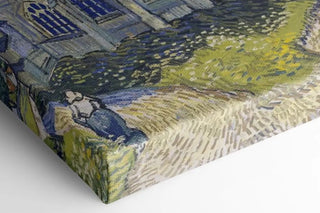
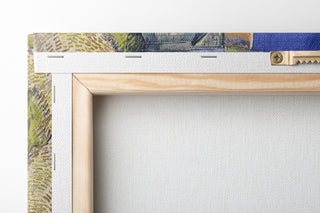
View from behind
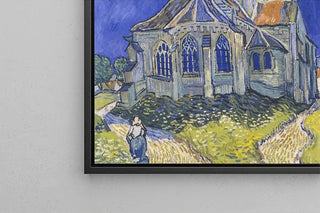
Frame (optional)
Vanitas Still Life with Oysters and Skull - Herman Henstenburgh – Captivating Introduction
The still life, as an artistic genre, has always been able to capture the ephemeral essence of life through everyday objects. The artwork "Vanitas Still Life with Oysters and Skull" by Herman Henstenburgh is a shining example. This striking composition not only evokes the beauty of the depicted elements but also offers a profound reflection on mortality and the passage of time. By contemplating this piece, the viewer is invited to question the fragility of human existence, while admiring the technical mastery of the artist. The oysters, symbols of luxury and pleasure, contrast with the skull, a universal emblem of mortality, creating a powerful visual dialogue that transcends mere decoration.
Style and uniqueness of the artwork
Henstenburgh's style is characterized by meticulous attention to detail and a rich, nuanced color palette. In "Vanitas Still Life with Oysters and Skull," each element is rendered with precision that demonstrates his skill. The iridescent reflections of the oysters, delicately placed on a table, seem almost tangible, while the texture of the skull evokes a disturbing depth. The artist skillfully plays with light, creating shadows that emphasize the volume and three-dimensionality of the objects. This piece is also marked by a carefully balanced composition, where each element finds its place, contributing to the overall harmony while reinforcing the vanitas message. Henstenburgh manages to fuse aesthetic beauty with philosophical reflection, making his work both captivating and introspective.
The artist and his influence
Herman Henstenburgh, active in the 17th century, is often associated with the Baroque movement, characterized by its dynamism and expressiveness. Although less well-known than some of his contemporaries, his work had a significant impact on the development of Dutch still life. By incorporating vanitas themes into his compositions, Henstenburgh aligns with an artistic tradition that seeks to remind viewers of the fleeting nature of earthly pleasures. His influence is felt not only in his own country but also
Art print Still life Vanitas with oysters and skull - Herman Henstenburgh | Art print

-10% FROM €95 IN PURCHASES
-15% FROM €195 IN PURCHASES
Regular price
- Unit price
- per
Tax included.
Free shipping
€4.90 / Free shipping on orders over €39
Satisfied or Money Back
Free returns within 30 days
10-year warranty
Our prints are guaranteed for 10 years
Any questions? We are here!
by email to contact@artemlegrand.com
THE STEPS OF YOUR ORDER

STEP 1 - ORDER PLACED
Your order has been confirmed and we are starting production
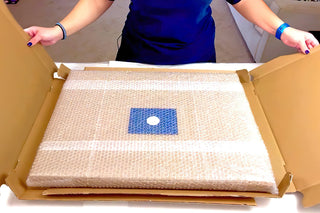
STEP 2 - SHIPPING
We ship your order. We send you an email to track the progress

STEP 3 - DELIVERY
You receive your order. You can also, according to your choice, be delivered to a relay point.
Matte finish
View from behind
Frame (optional)
Vanitas Still Life with Oysters and Skull - Herman Henstenburgh – Captivating Introduction
The still life, as an artistic genre, has always been able to capture the ephemeral essence of life through everyday objects. The artwork "Vanitas Still Life with Oysters and Skull" by Herman Henstenburgh is a shining example. This striking composition not only evokes the beauty of the depicted elements but also offers a profound reflection on mortality and the passage of time. By contemplating this piece, the viewer is invited to question the fragility of human existence, while admiring the technical mastery of the artist. The oysters, symbols of luxury and pleasure, contrast with the skull, a universal emblem of mortality, creating a powerful visual dialogue that transcends mere decoration.
Style and uniqueness of the artwork
Henstenburgh's style is characterized by meticulous attention to detail and a rich, nuanced color palette. In "Vanitas Still Life with Oysters and Skull," each element is rendered with precision that demonstrates his skill. The iridescent reflections of the oysters, delicately placed on a table, seem almost tangible, while the texture of the skull evokes a disturbing depth. The artist skillfully plays with light, creating shadows that emphasize the volume and three-dimensionality of the objects. This piece is also marked by a carefully balanced composition, where each element finds its place, contributing to the overall harmony while reinforcing the vanitas message. Henstenburgh manages to fuse aesthetic beauty with philosophical reflection, making his work both captivating and introspective.
The artist and his influence
Herman Henstenburgh, active in the 17th century, is often associated with the Baroque movement, characterized by its dynamism and expressiveness. Although less well-known than some of his contemporaries, his work had a significant impact on the development of Dutch still life. By incorporating vanitas themes into his compositions, Henstenburgh aligns with an artistic tradition that seeks to remind viewers of the fleeting nature of earthly pleasures. His influence is felt not only in his own country but also
12,34 €