
Art print of the Tuileries Gate after the 1871 fire - Jules Richomme | Art print


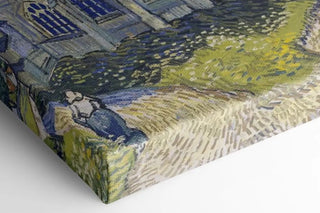
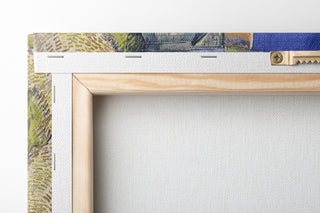
View from behind
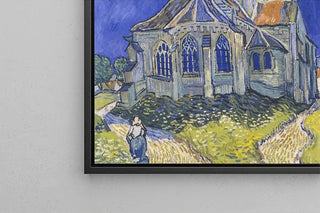
Frame (optional)
Portail des Tuileries after the 1871 fire - Jules Richomme – Captivating introduction
The work "Portail des Tuileries after the 1871 fire" by Jules Richomme immerses us in a pivotal moment of French history, where art becomes the witness to tragic events and remarkable resilience. This portal, a symbol of the past grandeur of the Tuileries, is immortalized by Richomme in a depiction that evokes not only destruction but also the hope of rebirth. Through this piece, the artist invites us to contemplate the ruins of an iconic monument, while hinting at the promises of a reconstructed future. The evocative power of this art print transports us into the rubble of a bygone era, while celebrating the enduring beauty of French architecture.
Style and uniqueness of the work
Richomme's style is distinguished by his ability to capture deep emotions through meticulous details and a carefully chosen color palette. In "Portail des Tuileries after the 1871 fire," the artist uses shades of gray and earth tones that testify to desolation, while incorporating touches of light that suggest a glimmer of hope. The composition is both dramatic and contemplative, encouraging the viewer to reflect on the fragility of beauty in the face of destruction. Every element of the portal is rendered with precision that highlights the richness of the architecture, while the background, more blurred, evokes the chaos of a world in transition. This contrast between the solidity of structures and the impermanence of human life creates a palpable tension, making the work profoundly emotional.
The artist and his influence
Jules Richomme, though less known than some of his contemporaries, managed to leave his mark on his era through an innovative approach to history painting. Trained in Parisian ateliers, he was influenced by the Romantic movement, which championed the expression of feelings and the glorification of the past. Richomme was able to adopt these principles while adding a personal dimension, imbued with melancholy and reflection. His work on the Portail des Tuileries fits within an artistic tradition that seeks to immortalize
Art print of the Tuileries Gate after the 1871 fire - Jules Richomme | Art print

-10% FROM €95 IN PURCHASES
-15% FROM €195 IN PURCHASES
Regular price
- Unit price
- per
Tax included.
Free shipping
€4.90 / Free shipping on orders over €39
Satisfied or Money Back
Free returns within 30 days
10-year warranty
Our prints are guaranteed for 10 years
Any questions? We are here!
by email to contact@artemlegrand.com
THE STEPS OF YOUR ORDER

STEP 1 - ORDER PLACED
Your order has been confirmed and we are starting production
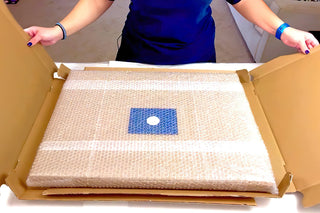
STEP 2 - SHIPPING
We ship your order. We send you an email to track the progress

STEP 3 - DELIVERY
You receive your order. You can also, according to your choice, be delivered to a relay point.
Matte finish
View from behind
Frame (optional)
Portail des Tuileries after the 1871 fire - Jules Richomme – Captivating introduction
The work "Portail des Tuileries after the 1871 fire" by Jules Richomme immerses us in a pivotal moment of French history, where art becomes the witness to tragic events and remarkable resilience. This portal, a symbol of the past grandeur of the Tuileries, is immortalized by Richomme in a depiction that evokes not only destruction but also the hope of rebirth. Through this piece, the artist invites us to contemplate the ruins of an iconic monument, while hinting at the promises of a reconstructed future. The evocative power of this art print transports us into the rubble of a bygone era, while celebrating the enduring beauty of French architecture.
Style and uniqueness of the work
Richomme's style is distinguished by his ability to capture deep emotions through meticulous details and a carefully chosen color palette. In "Portail des Tuileries after the 1871 fire," the artist uses shades of gray and earth tones that testify to desolation, while incorporating touches of light that suggest a glimmer of hope. The composition is both dramatic and contemplative, encouraging the viewer to reflect on the fragility of beauty in the face of destruction. Every element of the portal is rendered with precision that highlights the richness of the architecture, while the background, more blurred, evokes the chaos of a world in transition. This contrast between the solidity of structures and the impermanence of human life creates a palpable tension, making the work profoundly emotional.
The artist and his influence
Jules Richomme, though less known than some of his contemporaries, managed to leave his mark on his era through an innovative approach to history painting. Trained in Parisian ateliers, he was influenced by the Romantic movement, which championed the expression of feelings and the glorification of the past. Richomme was able to adopt these principles while adding a personal dimension, imbued with melancholy and reflection. His work on the Portail des Tuileries fits within an artistic tradition that seeks to immortalize
12,34 €