
Painting Tropidonotus erythrogaster - John Edwards Holbrook | Art print


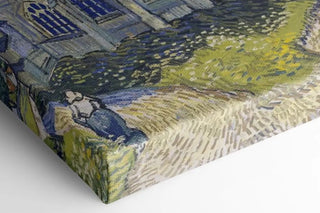
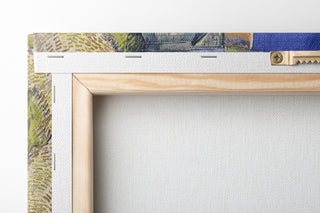
View from behind
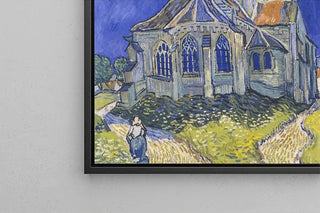
Frame (optional)
Art print Tropidonotus erythrogaster - John Edwards Holbrook – Engaging introduction
The work "Tropidonotus erythrogaster" by John Edwards Holbrook is a true masterpiece that transcends the simple realm of animal depiction. Capturing the essence of a snake with radiant skin, this 19th-century artist masterfully combines scientific precision with artistic sensitivity. The portrayal of this animal, with its vibrant nuances and elegant posture, invites viewers to immerse themselves in a world where nature and art harmoniously meet. Holbrook, a naturalist and artist, did not merely depict wildlife; he celebrated it, revealing often overlooked details while infusing his subjects with palpable life.
Style and uniqueness of the work
Holbrook's style in "Tropidonotus erythrogaster" is distinguished by meticulous attention to detail and a palette of vivid colors. The artist succeeds in capturing not only the physical form of the snake but also its character, grace, and mystery. Every scale, every shadow is rendered with precision that reflects thorough observation, almost scientific. The work also stands out for its subtly nuanced background, which highlights the main subject while creating an atmosphere of wonder. This marriage of rigor and aesthetics makes this piece an emblematic example of how art can serve to educate while captivating the imagination.
The artist and his influence
John Edwards Holbrook, a prominent 19th-century naturalist, played a crucial role in documenting and illustrating American wildlife. His passion for reptiles and amphibians led him to create works that have become references in the field of zoological illustration. Holbrook was not just an artist; he was also a pioneer, a man who bridged art and science in an unprecedented way. His influence endures today, not only in the art world but also in biology. By offering an aesthetic vision of nature, he inspired many artists and scientists to explore the intersections between their disciplines. His legacy is evident in contemporary appreciation of the
Painting Tropidonotus erythrogaster - John Edwards Holbrook | Art print

-10% FROM €95 IN PURCHASES
-15% FROM €195 IN PURCHASES
Regular price
- Unit price
- per
Tax included.
Free shipping
€4.90 / Free shipping on orders over €39
Satisfied or Money Back
Free returns within 30 days
10-year warranty
Our prints are guaranteed for 10 years
Any questions? We are here!
by email to contact@artemlegrand.com
THE STEPS OF YOUR ORDER

STEP 1 - ORDER PLACED
Your order has been confirmed and we are starting production
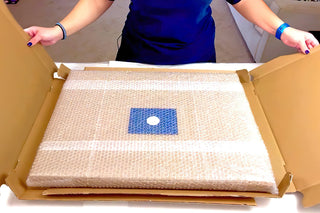
STEP 2 - SHIPPING
We ship your order. We send you an email to track the progress

STEP 3 - DELIVERY
You receive your order. You can also, according to your choice, be delivered to a relay point.
Matte finish
View from behind
Frame (optional)
Art print Tropidonotus erythrogaster - John Edwards Holbrook – Engaging introduction
The work "Tropidonotus erythrogaster" by John Edwards Holbrook is a true masterpiece that transcends the simple realm of animal depiction. Capturing the essence of a snake with radiant skin, this 19th-century artist masterfully combines scientific precision with artistic sensitivity. The portrayal of this animal, with its vibrant nuances and elegant posture, invites viewers to immerse themselves in a world where nature and art harmoniously meet. Holbrook, a naturalist and artist, did not merely depict wildlife; he celebrated it, revealing often overlooked details while infusing his subjects with palpable life.
Style and uniqueness of the work
Holbrook's style in "Tropidonotus erythrogaster" is distinguished by meticulous attention to detail and a palette of vivid colors. The artist succeeds in capturing not only the physical form of the snake but also its character, grace, and mystery. Every scale, every shadow is rendered with precision that reflects thorough observation, almost scientific. The work also stands out for its subtly nuanced background, which highlights the main subject while creating an atmosphere of wonder. This marriage of rigor and aesthetics makes this piece an emblematic example of how art can serve to educate while captivating the imagination.
The artist and his influence
John Edwards Holbrook, a prominent 19th-century naturalist, played a crucial role in documenting and illustrating American wildlife. His passion for reptiles and amphibians led him to create works that have become references in the field of zoological illustration. Holbrook was not just an artist; he was also a pioneer, a man who bridged art and science in an unprecedented way. His influence endures today, not only in the art world but also in biology. By offering an aesthetic vision of nature, he inspired many artists and scientists to explore the intersections between their disciplines. His legacy is evident in contemporary appreciation of the
12,34 €