
Art print Souche d'arbre sur une pente couverte de sapins - Ludwig Daniel Philipp Schmidt


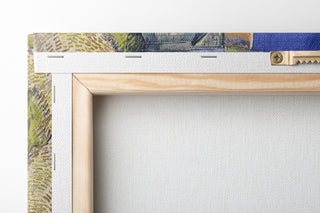
View from behind
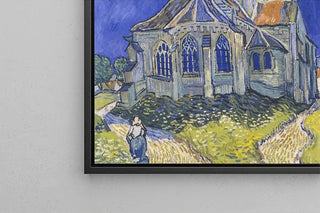
Frame (optional)
In the vibrant world of art history, certain works stand out for their ability to capture the very essence of nature. "Tree stump on a slope covered with pines - Ludwig Daniel Philipp Schmidt" is a perfect example. This piece, evoking the raw and wild beauty of forest landscapes, transports us to a world where nature expresses itself with tranquil strength. Through this representation, Schmidt succeeds in immortalizing a snapshot of woodland life, where every detail, every nuance, seems to vibrate under the breath of the wind. The artwork invites us not only to contemplate the scene depicted but also to feel the harmony that exists between man and nature.
Style and uniqueness of the work
Ludwig Daniel Philipp Schmidt's style is characterized by a realistic and meticulous approach, where attentive observation of natural elements takes center stage. In "Tree stump on a slope covered with pines," the artist uses a palette of natural colors, ranging from the deep greens of the pines to the warm browns of the stump. Light plays a crucial role in this piece, creating soft shadows that emphasize the texture of the wood and the density of the surrounding foliage. Schmidt manages to create a serene and contemplative atmosphere, where the viewer is invited to delve into a meditation on the cycle of life and the ephemeral beauty of nature. This work also stands out for its balanced composition, where each element finds its place, contributing to a visual harmony that captivates the eye.
The artist and his influence
Ludwig Daniel Philipp Schmidt, a German-born artist, made a significant mark in the 19th-century art scene thanks to his undeniable talent and passion for nature. Trained in the academic traditions of his time, he quickly developed a personal style that blends realism and romanticism. Schmidt was inspired by the great masters of landscape painting but also sought to establish his own voice, focusing on direct observation of nature. His work influenced many contemporary artists, who saw in him a model of commitment to
Art print Souche d'arbre sur une pente couverte de sapins - Ludwig Daniel Philipp Schmidt

-10% FROM €95 IN PURCHASES
-15% FROM €195 IN PURCHASES
Regular price
- Unit price
- per
Tax included.
Free shipping
€4.90 / Free shipping on orders over €39
Satisfied or Money Back
Free returns within 30 days
10-year warranty
Our prints are guaranteed for 10 years
Any questions? We are here!
by email to contact@artemlegrand.com
THE STEPS OF YOUR ORDER

STEP 1 - ORDER PLACED
Your order has been confirmed and we are starting production

STEP 2 - SHIPPING
We ship your order. We send you an email to track the progress

STEP 3 - DELIVERY
You receive your order. You can also, according to your choice, be delivered to a relay point.
Matte finish
View from behind
Frame (optional)
In the vibrant world of art history, certain works stand out for their ability to capture the very essence of nature. "Tree stump on a slope covered with pines - Ludwig Daniel Philipp Schmidt" is a perfect example. This piece, evoking the raw and wild beauty of forest landscapes, transports us to a world where nature expresses itself with tranquil strength. Through this representation, Schmidt succeeds in immortalizing a snapshot of woodland life, where every detail, every nuance, seems to vibrate under the breath of the wind. The artwork invites us not only to contemplate the scene depicted but also to feel the harmony that exists between man and nature.
Style and uniqueness of the work
Ludwig Daniel Philipp Schmidt's style is characterized by a realistic and meticulous approach, where attentive observation of natural elements takes center stage. In "Tree stump on a slope covered with pines," the artist uses a palette of natural colors, ranging from the deep greens of the pines to the warm browns of the stump. Light plays a crucial role in this piece, creating soft shadows that emphasize the texture of the wood and the density of the surrounding foliage. Schmidt manages to create a serene and contemplative atmosphere, where the viewer is invited to delve into a meditation on the cycle of life and the ephemeral beauty of nature. This work also stands out for its balanced composition, where each element finds its place, contributing to a visual harmony that captivates the eye.
The artist and his influence
Ludwig Daniel Philipp Schmidt, a German-born artist, made a significant mark in the 19th-century art scene thanks to his undeniable talent and passion for nature. Trained in the academic traditions of his time, he quickly developed a personal style that blends realism and romanticism. Schmidt was inspired by the great masters of landscape painting but also sought to establish his own voice, focusing on direct observation of nature. His work influenced many contemporary artists, who saw in him a model of commitment to
12,34 €