
Art print Treatise on Fruit Trees Pl58 - Henri-Louis Duhamel du Monceau | Art print


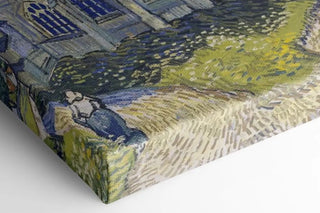
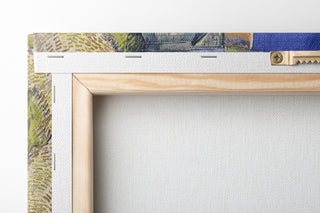
View from behind
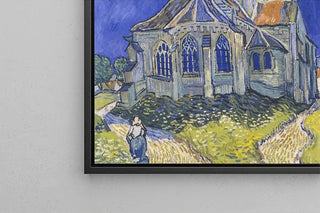
Frame (optional)
In the vibrant world of botanical art, the "Traité des arbres fruitiers Pl58" by Henri-Louis Duhamel du Monceau stands out for its elegance and precision. This art print, a true ode to nature, reflects the spirit of the 18th century, a time when meticulous observation of plants was both a science and an art form. The reproduction of this work allows you to immerse yourself in a world where the beauty of fruit trees is highlighted with rare delicacy. Every detail, every shade of color, testifies to a passion for botany that transcends eras and invites serene contemplation.
Style and uniqueness of the work
Duhamel du Monceau's style is characterized by a harmonious blend of realism and aesthetics. In "Traité des arbres fruitiers Pl58," the trees are depicted with a meticulousness bordering on hyperrealism, while maintaining an artistic dimension that elevates them to the level of art. The shapes of the branches, the texture of the bark, and the delicacy of the leaves are rendered with such precision that they seem almost tangible. The color palette, subtly chosen, evokes the seasons and cycles of nature, creating a calming and contemplative atmosphere. This art print stands out not only for its technique but also for the way it invites viewers to appreciate the fleeting beauty of the fruits, symbols of life and renewal.
The artist and his influence
Henri-Louis Duhamel du Monceau, an emblematic figure of the 18th century, profoundly influenced the worlds of art and science. Botanist, agronomist, and artist, he dedicated his life to the study of plants and the dissemination of botanical knowledge. His innovative approach, combining scientific observation with artistic sensitivity, paved the way for many artists and scientists who followed in his footsteps. Duhamel du Monceau was able to capture the very essence of nature, transforming his observations into art works that continue to inspire current generations. His influence is felt both in gardens and museums, where his works are celebrated for their
Art print Treatise on Fruit Trees Pl58 - Henri-Louis Duhamel du Monceau | Art print

-10% FROM €95 IN PURCHASES
-15% FROM €195 IN PURCHASES
Regular price
- Unit price
- per
Tax included.
Free shipping
€4.90 / Free shipping on orders over €39
Satisfied or Money Back
Free returns within 30 days
10-year warranty
Our prints are guaranteed for 10 years
Any questions? We are here!
by email to contact@artemlegrand.com
THE STEPS OF YOUR ORDER

STEP 1 - ORDER PLACED
Your order has been confirmed and we are starting production
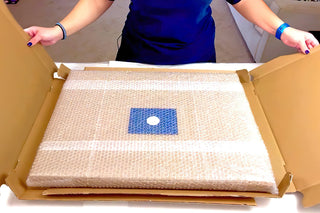
STEP 2 - SHIPPING
We ship your order. We send you an email to track the progress

STEP 3 - DELIVERY
You receive your order. You can also, according to your choice, be delivered to a relay point.
Matte finish
View from behind
Frame (optional)
In the vibrant world of botanical art, the "Traité des arbres fruitiers Pl58" by Henri-Louis Duhamel du Monceau stands out for its elegance and precision. This art print, a true ode to nature, reflects the spirit of the 18th century, a time when meticulous observation of plants was both a science and an art form. The reproduction of this work allows you to immerse yourself in a world where the beauty of fruit trees is highlighted with rare delicacy. Every detail, every shade of color, testifies to a passion for botany that transcends eras and invites serene contemplation.
Style and uniqueness of the work
Duhamel du Monceau's style is characterized by a harmonious blend of realism and aesthetics. In "Traité des arbres fruitiers Pl58," the trees are depicted with a meticulousness bordering on hyperrealism, while maintaining an artistic dimension that elevates them to the level of art. The shapes of the branches, the texture of the bark, and the delicacy of the leaves are rendered with such precision that they seem almost tangible. The color palette, subtly chosen, evokes the seasons and cycles of nature, creating a calming and contemplative atmosphere. This art print stands out not only for its technique but also for the way it invites viewers to appreciate the fleeting beauty of the fruits, symbols of life and renewal.
The artist and his influence
Henri-Louis Duhamel du Monceau, an emblematic figure of the 18th century, profoundly influenced the worlds of art and science. Botanist, agronomist, and artist, he dedicated his life to the study of plants and the dissemination of botanical knowledge. His innovative approach, combining scientific observation with artistic sensitivity, paved the way for many artists and scientists who followed in his footsteps. Duhamel du Monceau was able to capture the very essence of nature, transforming his observations into art works that continue to inspire current generations. His influence is felt both in gardens and museums, where his works are celebrated for their
12,34 €