
Art print Traité des arbres fruitiers Pl46 - Henri-Louis Duhamel du Monceau


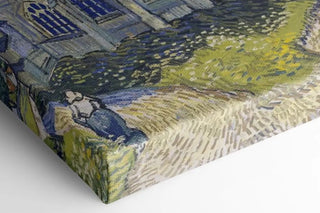
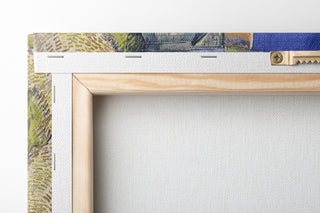
View from behind
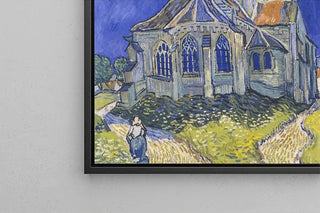
Frame (optional)
Treatise on Fruit Trees Pl46 - Henri-Louis Duhamel du Monceau – Captivating Introduction
The artwork "Treatise on Fruit Trees Pl46" by Henri-Louis Duhamel du Monceau embodies the harmony between art and science, a fundamental characteristic of the 18th century. This treatise, which is part of the Enlightenment movement, is much more than a simple botanical illustration; it is an open window into a world where nature and aesthetics meet. Through this art print, the viewer is invited to explore the intricate details of fruit trees, revealing the richness of biodiversity and the importance of observation in the study of plants. Every element of this work tells a story, that of a time when humans sought to understand and master nature while drawing inspiration from it to beautify their environment.
Style and uniqueness of the work
Henri-Louis Duhamel du Monceau's style is distinguished by its precision and attention to detail. His drawing technique, marked by delicacy, highlights the organic forms of trees and fruits, while incorporating annotations that reflect his scientific approach. This marriage of art and science is particularly evident in how he depicts the textures of bark and the luminosity of the fruits, creating an almost tactile atmosphere. The colors, although true to reality, are carefully chosen to evoke a certain poetry, allowing the viewer to feel the intrinsic beauty of nature. The work stands out for its balance between botanical accuracy and aesthetic appeal, a duality that makes it a true masterpiece of scientific illustration.
The artist and his influence
Henri-Louis Duhamel du Monceau, a renowned botanist and agronomist, played a major role in the development of horticulture in France. His work contributed to the dissemination of botanical knowledge and inspired many artists and scientists of his time. By integrating scientific elements into his works, he paved the way for a new approach to representing nature, where rigorous observation and aesthetics converge. His influence endures, as he managed to transmit a passion for natural sciences through his illustrations, encouraging future generations to appreciate the beauty of plants
Art print Traité des arbres fruitiers Pl46 - Henri-Louis Duhamel du Monceau

-10% FROM €95 IN PURCHASES
-15% FROM €195 IN PURCHASES
Regular price
- Unit price
- per
Tax included.
Free shipping
€4.90 / Free shipping on orders over €39
Satisfied or Money Back
Free returns within 30 days
10-year warranty
Our prints are guaranteed for 10 years
Any questions? We are here!
by email to contact@artemlegrand.com
THE STEPS OF YOUR ORDER

STEP 1 - ORDER PLACED
Your order has been confirmed and we are starting production
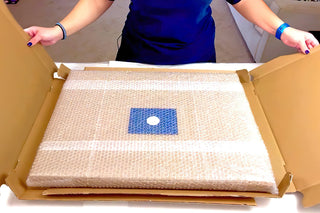
STEP 2 - SHIPPING
We ship your order. We send you an email to track the progress

STEP 3 - DELIVERY
You receive your order. You can also, according to your choice, be delivered to a relay point.
Matte finish
View from behind
Frame (optional)
Treatise on Fruit Trees Pl46 - Henri-Louis Duhamel du Monceau – Captivating Introduction
The artwork "Treatise on Fruit Trees Pl46" by Henri-Louis Duhamel du Monceau embodies the harmony between art and science, a fundamental characteristic of the 18th century. This treatise, which is part of the Enlightenment movement, is much more than a simple botanical illustration; it is an open window into a world where nature and aesthetics meet. Through this art print, the viewer is invited to explore the intricate details of fruit trees, revealing the richness of biodiversity and the importance of observation in the study of plants. Every element of this work tells a story, that of a time when humans sought to understand and master nature while drawing inspiration from it to beautify their environment.
Style and uniqueness of the work
Henri-Louis Duhamel du Monceau's style is distinguished by its precision and attention to detail. His drawing technique, marked by delicacy, highlights the organic forms of trees and fruits, while incorporating annotations that reflect his scientific approach. This marriage of art and science is particularly evident in how he depicts the textures of bark and the luminosity of the fruits, creating an almost tactile atmosphere. The colors, although true to reality, are carefully chosen to evoke a certain poetry, allowing the viewer to feel the intrinsic beauty of nature. The work stands out for its balance between botanical accuracy and aesthetic appeal, a duality that makes it a true masterpiece of scientific illustration.
The artist and his influence
Henri-Louis Duhamel du Monceau, a renowned botanist and agronomist, played a major role in the development of horticulture in France. His work contributed to the dissemination of botanical knowledge and inspired many artists and scientists of his time. By integrating scientific elements into his works, he paved the way for a new approach to representing nature, where rigorous observation and aesthetics converge. His influence endures, as he managed to transmit a passion for natural sciences through his illustrations, encouraging future generations to appreciate the beauty of plants
12,34 €