
Art print Treatise on Fruit Trees Pl28 - Henri-Louis Duhamel du Monceau | Art print


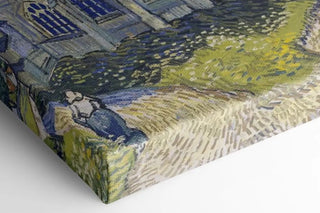
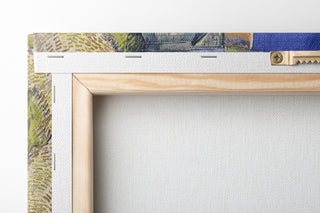
View from behind
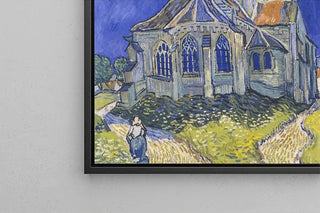
Frame (optional)
In the vast panorama of art history, certain works stand out for their ability to capture the very essence of nature. The art print Traité des arbres fruitiers Pl28 - Henri-Louis Duhamel du Monceau is a striking example. This piece, rooted in the 18th-century movement, not only demonstrates remarkable technical mastery but also reflects a deep understanding of the cycles of life. It invites viewers to an attentive contemplation, where every detail, every nuance, reveals a rich and vibrant world. Through this representation, Duhamel du Monceau does not merely describe fruit trees; he strives to convey a philosophy of nature, a celebration of the biodiversity that surrounds us.
Style and uniqueness of the work
Duhamel du Monceau's style is characterized by scientific precision combined with rare artistic sensitivity. In this piece, the trees are depicted with such meticulousness that they almost seem to come alive before the viewer’s eyes. The colors, both vivid and natural, pay homage to the beauty of the fruits, flowers, and foliage. The artist skillfully plays with shadows and lights, creating an atmosphere of harmony and serenity. This unique approach makes each element of the composition a centerpiece, where the rigor of drawing marries delicacy of colors. Thus, Duhamel du Monceau manages to transcend mere botanical illustration to offer a true art print, where nature and art meet in an elegant dance.
The artist and his influence
Henri-Louis Duhamel du Monceau, an emblematic figure of the 18th century, left his mark on his era through contributions to both art and science. An esteemed botanist, he dedicated much of his life to studying plants and disseminating horticultural knowledge. His work, beyond being a simple treatise, serves as a bridge between science and aesthetics. Duhamel du Monceau influenced many artists and scientists, who saw in him a model of integrating knowledge and beauty. His passion for nature and his desire to share his discoveries made him a pivotal figure in the appreciation of the natural world.
Art print Treatise on Fruit Trees Pl28 - Henri-Louis Duhamel du Monceau | Art print

-10% FROM €95 IN PURCHASES
-15% FROM €195 IN PURCHASES
Regular price
- Unit price
- per
Tax included.
Free shipping
€4.90 / Free shipping on orders over €39
Satisfied or Money Back
Free returns within 30 days
10-year warranty
Our prints are guaranteed for 10 years
Any questions? We are here!
by email to contact@artemlegrand.com
THE STEPS OF YOUR ORDER

STEP 1 - ORDER PLACED
Your order has been confirmed and we are starting production
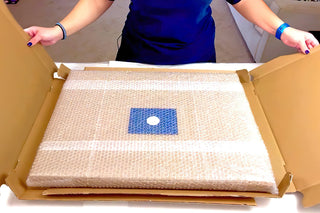
STEP 2 - SHIPPING
We ship your order. We send you an email to track the progress

STEP 3 - DELIVERY
You receive your order. You can also, according to your choice, be delivered to a relay point.
Matte finish
View from behind
Frame (optional)
In the vast panorama of art history, certain works stand out for their ability to capture the very essence of nature. The art print Traité des arbres fruitiers Pl28 - Henri-Louis Duhamel du Monceau is a striking example. This piece, rooted in the 18th-century movement, not only demonstrates remarkable technical mastery but also reflects a deep understanding of the cycles of life. It invites viewers to an attentive contemplation, where every detail, every nuance, reveals a rich and vibrant world. Through this representation, Duhamel du Monceau does not merely describe fruit trees; he strives to convey a philosophy of nature, a celebration of the biodiversity that surrounds us.
Style and uniqueness of the work
Duhamel du Monceau's style is characterized by scientific precision combined with rare artistic sensitivity. In this piece, the trees are depicted with such meticulousness that they almost seem to come alive before the viewer’s eyes. The colors, both vivid and natural, pay homage to the beauty of the fruits, flowers, and foliage. The artist skillfully plays with shadows and lights, creating an atmosphere of harmony and serenity. This unique approach makes each element of the composition a centerpiece, where the rigor of drawing marries delicacy of colors. Thus, Duhamel du Monceau manages to transcend mere botanical illustration to offer a true art print, where nature and art meet in an elegant dance.
The artist and his influence
Henri-Louis Duhamel du Monceau, an emblematic figure of the 18th century, left his mark on his era through contributions to both art and science. An esteemed botanist, he dedicated much of his life to studying plants and disseminating horticultural knowledge. His work, beyond being a simple treatise, serves as a bridge between science and aesthetics. Duhamel du Monceau influenced many artists and scientists, who saw in him a model of integrating knowledge and beauty. His passion for nature and his desire to share his discoveries made him a pivotal figure in the appreciation of the natural world.
12,34 €