
Art print Treatise on Fruit Trees Pl19 - Henri-Louis Duhamel du Monceau | Art print


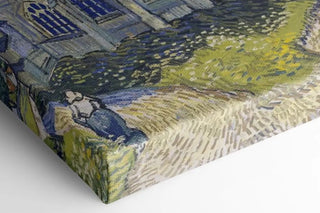
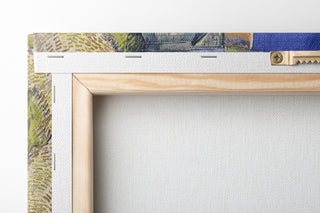
View from behind
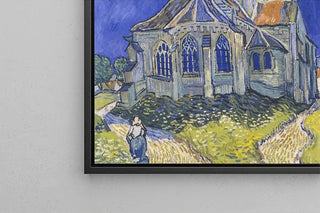
Frame (optional)
In the vast panorama of art history, certain works stand out for their ability to capture not only the essence of a subject but also the spirit of an era. The art print Traité des arbres fruitiers Pl19 - Henri-Louis Duhamel du Monceau is a perfect example. This illustration, originating from a botanical treatise of the 18th century, transports us to a world where nature and art harmoniously converge. Through this piece, Duhamel du Monceau does not merely depict fruit trees; he invites us to a profound contemplation of natural beauty, while also bearing witness to the horticultural knowledge of his time. Every detail, every color blends to create a composition that is both scientific and aesthetic, revealing the interconnectedness between art and science.
Style and uniqueness of the work
Duhamel du Monceau's style is characterized by meticulous precision and a keen sense of observation. In this work, the trees are depicted with a rigor that reflects the artist's desire to pay homage to nature. The delicate forms of the branches, the texture of the leaves, and the roundness of the fruits are rendered with such finesse that they seem almost tangible. The color palette, subtly chosen, evokes the freshness of orchards in spring, creating an atmosphere of serenity and harmony. This visual treatment, which combines realism and aesthetics, makes this work a true masterpiece of botanical genre. Duhamel du Monceau manages to transcend simple illustration to offer an immersive visual experience, where each element contributes to a rich and evocative visual narration.
The artist and his influence
Henri-Louis Duhamel du Monceau, an emblematic figure of horticulture and botanical art, left a lasting mark on his era through his artistic and scientific contributions. As a member of the Royal Academy of Sciences, he played a vital role in disseminating botanical knowledge in the 18th century. His innovative approach, blending rigorous observation with artistic sensitivity, paved the way for many artists and scientists who followed. His work not only enriched the field of horticulture
Art print Treatise on Fruit Trees Pl19 - Henri-Louis Duhamel du Monceau | Art print

-10% FROM €95 IN PURCHASES
-15% FROM €195 IN PURCHASES
Regular price
- Unit price
- per
Tax included.
Free shipping
€4.90 / Free shipping on orders over €39
Satisfied or Money Back
Free returns within 30 days
10-year warranty
Our prints are guaranteed for 10 years
Any questions? We are here!
by email to contact@artemlegrand.com
THE STEPS OF YOUR ORDER

STEP 1 - ORDER PLACED
Your order has been confirmed and we are starting production
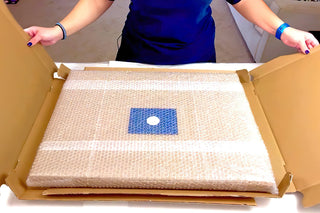
STEP 2 - SHIPPING
We ship your order. We send you an email to track the progress

STEP 3 - DELIVERY
You receive your order. You can also, according to your choice, be delivered to a relay point.
Matte finish
View from behind
Frame (optional)
In the vast panorama of art history, certain works stand out for their ability to capture not only the essence of a subject but also the spirit of an era. The art print Traité des arbres fruitiers Pl19 - Henri-Louis Duhamel du Monceau is a perfect example. This illustration, originating from a botanical treatise of the 18th century, transports us to a world where nature and art harmoniously converge. Through this piece, Duhamel du Monceau does not merely depict fruit trees; he invites us to a profound contemplation of natural beauty, while also bearing witness to the horticultural knowledge of his time. Every detail, every color blends to create a composition that is both scientific and aesthetic, revealing the interconnectedness between art and science.
Style and uniqueness of the work
Duhamel du Monceau's style is characterized by meticulous precision and a keen sense of observation. In this work, the trees are depicted with a rigor that reflects the artist's desire to pay homage to nature. The delicate forms of the branches, the texture of the leaves, and the roundness of the fruits are rendered with such finesse that they seem almost tangible. The color palette, subtly chosen, evokes the freshness of orchards in spring, creating an atmosphere of serenity and harmony. This visual treatment, which combines realism and aesthetics, makes this work a true masterpiece of botanical genre. Duhamel du Monceau manages to transcend simple illustration to offer an immersive visual experience, where each element contributes to a rich and evocative visual narration.
The artist and his influence
Henri-Louis Duhamel du Monceau, an emblematic figure of horticulture and botanical art, left a lasting mark on his era through his artistic and scientific contributions. As a member of the Royal Academy of Sciences, he played a vital role in disseminating botanical knowledge in the 18th century. His innovative approach, blending rigorous observation with artistic sensitivity, paved the way for many artists and scientists who followed. His work not only enriched the field of horticulture
12,34 €