
Art print Treatise on Fruit Trees Pl14 - Henri-Louis Duhamel du Monceau | Art print


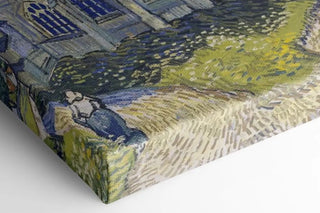
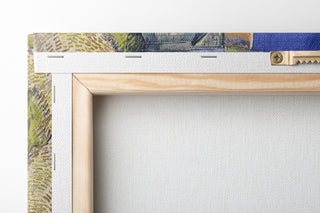
View from behind
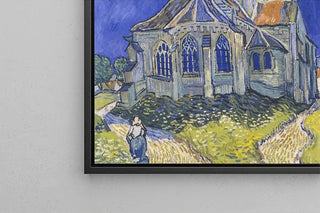
Frame (optional)
In the vibrant world of botanical art, the work "Traité des arbres fruitiers Pl14" by Henri-Louis Duhamel du Monceau stands out for its elegance and precision. This delicate representation of fruit trees evokes a world where nature and art intertwine harmoniously, offering the viewer an immersion into the beauty of forms and colors. The art print of this iconic piece not only allows appreciation of the artist's expertise but also invites rediscovery of the importance of fruit trees in the agricultural and horticultural landscape of the 18th century. Through this work, Duhamel du Monceau invites us to explore the subtleties of fruit cultivation, while highlighting the richness of biodiversity.
Style and uniqueness of the work
Duhamel du Monceau's style is characterized by scientific rigor combined with artistic sensitivity. Every detail of the fruit trees is rendered with remarkable precision, demonstrating a deep respect for nature. The vibrant colors and finely detailed textures create a captivating visual effect that draws the eye and inspires admiration. The work does not merely depict trees; it tells a story, that of growth, flowering, and fruiting. The compositions are carefully balanced, allowing each element to flourish without overshadowing the others. This harmonious approach makes the art print of "Traité des arbres fruitiers Pl14" a centerpiece for anyone wishing to enrich their living space with a touch of elegance and culture.
The artist and his influence
Henri-Louis Duhamel du Monceau, an emblematic figure of the 18th century, is recognized not only as a talented artist but also as a pioneer in the field of agronomy. His work greatly contributed to the advancement of horticultural knowledge of his time. As a member of the Académie des sciences, he managed to combine art and science, influencing many botanists and artists across Europe. His illustrations, such as that of "Traité des arbres fruitiers Pl14," served as references for future generations, establishing standards of precision and
Art print Treatise on Fruit Trees Pl14 - Henri-Louis Duhamel du Monceau | Art print

-10% FROM €95 IN PURCHASES
-15% FROM €195 IN PURCHASES
Regular price
- Unit price
- per
Tax included.
Free shipping
€4.90 / Free shipping on orders over €39
Satisfied or Money Back
Free returns within 30 days
10-year warranty
Our prints are guaranteed for 10 years
Any questions? We are here!
by email to contact@artemlegrand.com
THE STEPS OF YOUR ORDER

STEP 1 - ORDER PLACED
Your order has been confirmed and we are starting production
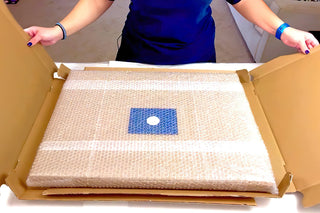
STEP 2 - SHIPPING
We ship your order. We send you an email to track the progress

STEP 3 - DELIVERY
You receive your order. You can also, according to your choice, be delivered to a relay point.
Matte finish
View from behind
Frame (optional)
In the vibrant world of botanical art, the work "Traité des arbres fruitiers Pl14" by Henri-Louis Duhamel du Monceau stands out for its elegance and precision. This delicate representation of fruit trees evokes a world where nature and art intertwine harmoniously, offering the viewer an immersion into the beauty of forms and colors. The art print of this iconic piece not only allows appreciation of the artist's expertise but also invites rediscovery of the importance of fruit trees in the agricultural and horticultural landscape of the 18th century. Through this work, Duhamel du Monceau invites us to explore the subtleties of fruit cultivation, while highlighting the richness of biodiversity.
Style and uniqueness of the work
Duhamel du Monceau's style is characterized by scientific rigor combined with artistic sensitivity. Every detail of the fruit trees is rendered with remarkable precision, demonstrating a deep respect for nature. The vibrant colors and finely detailed textures create a captivating visual effect that draws the eye and inspires admiration. The work does not merely depict trees; it tells a story, that of growth, flowering, and fruiting. The compositions are carefully balanced, allowing each element to flourish without overshadowing the others. This harmonious approach makes the art print of "Traité des arbres fruitiers Pl14" a centerpiece for anyone wishing to enrich their living space with a touch of elegance and culture.
The artist and his influence
Henri-Louis Duhamel du Monceau, an emblematic figure of the 18th century, is recognized not only as a talented artist but also as a pioneer in the field of agronomy. His work greatly contributed to the advancement of horticultural knowledge of his time. As a member of the Académie des sciences, he managed to combine art and science, influencing many botanists and artists across Europe. His illustrations, such as that of "Traité des arbres fruitiers Pl14," served as references for future generations, establishing standards of precision and
12,34 €