
Painting Book on Toxic Plants Pl67 - Friedrich Berge | Art print


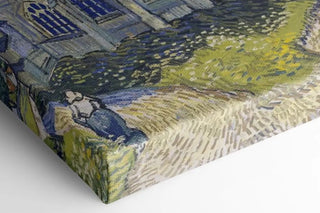
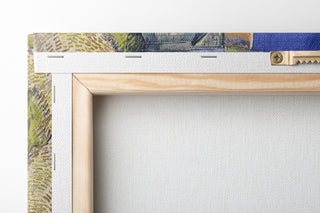
View from behind
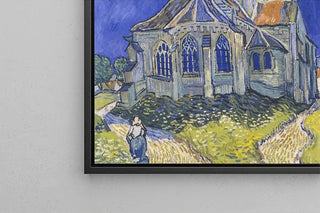
Frame (optional)
In the vast panorama of art history, some works manage to transcend their era and become embedded in collective memory. "Art print on toxic plants Pl67 - Friedrich Berge" is a perfect example. This unique piece, blending science and aesthetics, immerses us in a universe where the beauty of plant forms intertwines with reflections on the dangers certain species pose. Through this work, the artist does not merely depict nature; he invites us to explore the complex relationships between humans and their environment, while awakening our curiosity about the mysteries of the plant kingdom.
Style and uniqueness of the work
Friedrich Berge's style is distinguished by remarkable botanical precision, combined with an artistic sensitivity that goes beyond simple illustration. Each plant is depicted with meticulous care, revealing the most subtle details of its features. The delicate hues and subtle nuances give the piece an almost ethereal atmosphere, where beauty blends with a certain melancholy. Berge succeeds in capturing the very essence of these plants, while reminding us of their toxic potential. This duality creates a fascinating tension, prompting viewers to contemplate not only beauty but also the danger lurking behind each leaf, each petal. The work thus becomes a true dialogue between aesthetics and science, a delicate balance that questions our relationship with nature.
The artist and his influence
Friedrich Berge, an emblematic figure of the 19th century, knew how to mark his era with his innovative approach to botanical art. Influenced by the naturalist currents of his time, he combined scientific rigor with artistic sensitivity, offering a unique vision of flora. His work inspired many artists and scientists, making him a pioneer in the field of botanical illustration. By incorporating elements of Romantic culture, Berge also contributed to a rediscovery of nature, encouraging his contemporaries to view the world around them with fresh eyes. His legacy endures, and his influence is still felt today in contemporary artistic practices that seek to establish a link between art and science.
Painting Book on Toxic Plants Pl67 - Friedrich Berge | Art print

-10% FROM €95 IN PURCHASES
-15% FROM €195 IN PURCHASES
Regular price
- Unit price
- by
Free shipping
€4.90 / Free shipping on orders over €39
Satisfied or Money Back
Free returns within 30 days
10-year warranty
Our prints are guaranteed for 10 years
Any questions? We are here!
by email to contact@artemlegrand.com
THE STEPS OF YOUR ORDER

STEP 1 - ORDER PLACED
Your order has been confirmed and we are starting production
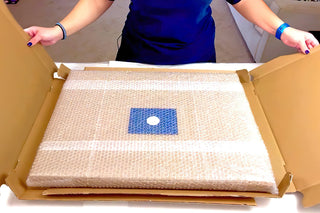
STEP 2 - SHIPPING
We ship your order. We send you an email to track the progress

STEP 3 - DELIVERY
You receive your order. You can also, according to your choice, be delivered to a relay point.
Matte finish
View from behind
Frame (optional)
In the vast panorama of art history, some works manage to transcend their era and become embedded in collective memory. "Art print on toxic plants Pl67 - Friedrich Berge" is a perfect example. This unique piece, blending science and aesthetics, immerses us in a universe where the beauty of plant forms intertwines with reflections on the dangers certain species pose. Through this work, the artist does not merely depict nature; he invites us to explore the complex relationships between humans and their environment, while awakening our curiosity about the mysteries of the plant kingdom.
Style and uniqueness of the work
Friedrich Berge's style is distinguished by remarkable botanical precision, combined with an artistic sensitivity that goes beyond simple illustration. Each plant is depicted with meticulous care, revealing the most subtle details of its features. The delicate hues and subtle nuances give the piece an almost ethereal atmosphere, where beauty blends with a certain melancholy. Berge succeeds in capturing the very essence of these plants, while reminding us of their toxic potential. This duality creates a fascinating tension, prompting viewers to contemplate not only beauty but also the danger lurking behind each leaf, each petal. The work thus becomes a true dialogue between aesthetics and science, a delicate balance that questions our relationship with nature.
The artist and his influence
Friedrich Berge, an emblematic figure of the 19th century, knew how to mark his era with his innovative approach to botanical art. Influenced by the naturalist currents of his time, he combined scientific rigor with artistic sensitivity, offering a unique vision of flora. His work inspired many artists and scientists, making him a pioneer in the field of botanical illustration. By incorporating elements of Romantic culture, Berge also contributed to a rediscovery of nature, encouraging his contemporaries to view the world around them with fresh eyes. His legacy endures, and his influence is still felt today in contemporary artistic practices that seek to establish a link between art and science.