
Art print Livre sur les plantes toxiques Pl66 - Friedrich Berge


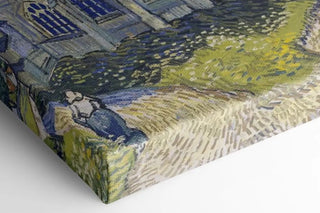
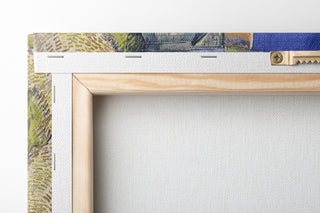
View from behind
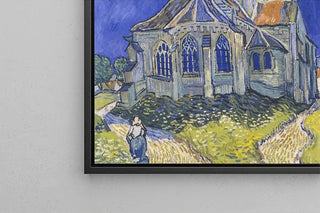
Frame (optional)
Book on Toxic Plants Art print Pl66 - Friedrich Berge – Captivating Introduction
In the fascinating universe of botanical art, the work "Book on Toxic Plants Pl66" by Friedrich Berge stands out for its approach that is both scientific and aesthetic. This piece, which presents itself as a true ode to nature, invites the viewer to delve into a world where the beauty of plants is intertwined with their dangerous potential. Every detail of this artwork is carefully thought out, revealing not only the richness of the flora but also the mysteries that surround it. Viewing this art print, one feels an insatiable curiosity about plants that, although magnificent, can possess toxic properties. Berge succeeds in capturing the very essence of this duality, making his work both educational and captivating.
Style and uniqueness of the work
Berge's style is characterized by remarkable precision and a meticulous attention to detail that transcends simple representation. The vibrant colors and delicate textures of the plants are rendered with a meticulousness that demonstrates attentive observation of nature. Every leaf, every flower is highlighted, creating a harmonious balance between art and science. The artwork does not merely show plants; it tells a story, that of their beauty and their danger. The composition, with its flowing lines and organic shapes, draws the eye and invites prolonged contemplation. This blend of scientific rigor and refined aesthetics makes "Book on Toxic Plants Pl66" a unique piece that stands out in the landscape of botanical art.
The artist and his influence
Friedrich Berge, as an artist, fits into a tradition that values meticulous observation of nature. His work is inspired by the great masters of botanical art, while adding a personal touch. Berge has evolved in an environment where art and science meet, influencing many contemporary artists. His ability to capture the essence of plants while raising awareness of their dangers demonstrates a deep and committed artistic vision. Through his works, he invites the public to reflect on our relationship with nature, both fascinating and complex. The echoes of his work are felt beyond
Art print Livre sur les plantes toxiques Pl66 - Friedrich Berge

-10% FROM €95 IN PURCHASES
-15% FROM €195 IN PURCHASES
Regular price
- Unit price
- by
Free shipping
€4.90 / Free shipping on orders over €39
Satisfied or Money Back
Free returns within 30 days
10-year warranty
Our prints are guaranteed for 10 years
Any questions? We are here!
by email to contact@artemlegrand.com
THE STEPS OF YOUR ORDER

STEP 1 - ORDER PLACED
Your order has been confirmed and we are starting production
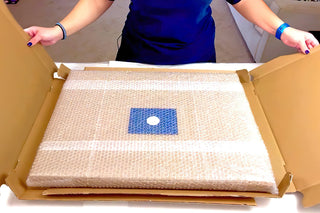
STEP 2 - SHIPPING
We ship your order. We send you an email to track the progress

STEP 3 - DELIVERY
You receive your order. You can also, according to your choice, be delivered to a relay point.
Matte finish
View from behind
Frame (optional)
Book on Toxic Plants Art print Pl66 - Friedrich Berge – Captivating Introduction
In the fascinating universe of botanical art, the work "Book on Toxic Plants Pl66" by Friedrich Berge stands out for its approach that is both scientific and aesthetic. This piece, which presents itself as a true ode to nature, invites the viewer to delve into a world where the beauty of plants is intertwined with their dangerous potential. Every detail of this artwork is carefully thought out, revealing not only the richness of the flora but also the mysteries that surround it. Viewing this art print, one feels an insatiable curiosity about plants that, although magnificent, can possess toxic properties. Berge succeeds in capturing the very essence of this duality, making his work both educational and captivating.
Style and uniqueness of the work
Berge's style is characterized by remarkable precision and a meticulous attention to detail that transcends simple representation. The vibrant colors and delicate textures of the plants are rendered with a meticulousness that demonstrates attentive observation of nature. Every leaf, every flower is highlighted, creating a harmonious balance between art and science. The artwork does not merely show plants; it tells a story, that of their beauty and their danger. The composition, with its flowing lines and organic shapes, draws the eye and invites prolonged contemplation. This blend of scientific rigor and refined aesthetics makes "Book on Toxic Plants Pl66" a unique piece that stands out in the landscape of botanical art.
The artist and his influence
Friedrich Berge, as an artist, fits into a tradition that values meticulous observation of nature. His work is inspired by the great masters of botanical art, while adding a personal touch. Berge has evolved in an environment where art and science meet, influencing many contemporary artists. His ability to capture the essence of plants while raising awareness of their dangers demonstrates a deep and committed artistic vision. Through his works, he invites the public to reflect on our relationship with nature, both fascinating and complex. The echoes of his work are felt beyond