
Art print Livre des plantes toxiques Pl62 - Friedrich Berge


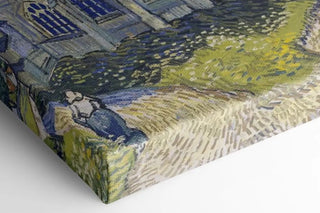
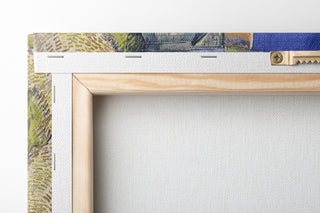
View from behind
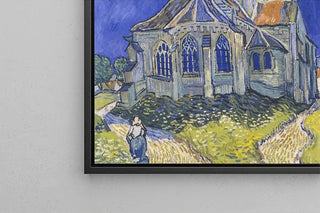
Frame (optional)
Reproduction of Toxic Plant Book Pl62 - Friedrich Berge – Captivating Introduction
In the fascinating world of botanical art, "Book of Toxic Plants Pl62" by Friedrich Berge stands out for its blend of scientific precision and artistic expression. This artwork, rooted in the tradition of botanical illustrations, goes beyond mere plant depiction; it evokes a mysterious, almost alchemical atmosphere. Through a palette of delicate colors and meticulous details, Berge invites viewers to immerse themselves in a universe where beauty and danger coexist. Each plant, though toxic, is presented with a grace that highlights the complexity of nature. This piece is an ode to life's duality, where fascination with the plant world is intertwined with a warning about its hazards.
Style and uniqueness of the work
Friedrich Berge's style is characterized by scientific accuracy combined with artistic sensitivity. In "Book of Toxic Plants Pl62," every detail is carefully observed, from the veins of the leaves to the nuances of the flowers. This meticulous attention to detail gives the artwork an almost photographic quality, while maintaining an aesthetic dimension that transcends simple illustration. Berge employs a painting technique that emphasizes textures and shapes, creating visual depth that draws the eye. The colors, often dark and earthy, are enhanced by touches of light that breathe vibrant life into these plants. The contrast between beauty and danger is reinforced by the composition, guiding the viewer's gaze through a rich and evocative visual journey.
The artist and his influence
Friedrich Berge, a prominent figure in 19th-century botanical illustration, left a lasting mark with his unique approach to plant representation. Influenced by the scientific discoveries of his time, he masterfully combined art and science, making his works both informative and aesthetic. Berge was a pioneer in exploring toxic plants, a subject often overlooked by his contemporaries. By highlighting these species, he contributed to a better understanding of their role in the ecosystem while sparking curiosity about their singular beauty. His legacy endures, inspiring many artists
Art print Livre des plantes toxiques Pl62 - Friedrich Berge

-10% FROM €95 IN PURCHASES
-15% FROM €195 IN PURCHASES
Regular price
- Unit price
- by
Free shipping
€4.90 / Free shipping on orders over €39
Satisfied or Money Back
Free returns within 30 days
10-year warranty
Our prints are guaranteed for 10 years
Any questions? We are here!
by email to contact@artemlegrand.com
THE STEPS OF YOUR ORDER

STEP 1 - ORDER PLACED
Your order has been confirmed and we are starting production
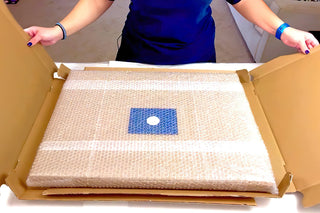
STEP 2 - SHIPPING
We ship your order. We send you an email to track the progress

STEP 3 - DELIVERY
You receive your order. You can also, according to your choice, be delivered to a relay point.
Matte finish
View from behind
Frame (optional)
Reproduction of Toxic Plant Book Pl62 - Friedrich Berge – Captivating Introduction
In the fascinating world of botanical art, "Book of Toxic Plants Pl62" by Friedrich Berge stands out for its blend of scientific precision and artistic expression. This artwork, rooted in the tradition of botanical illustrations, goes beyond mere plant depiction; it evokes a mysterious, almost alchemical atmosphere. Through a palette of delicate colors and meticulous details, Berge invites viewers to immerse themselves in a universe where beauty and danger coexist. Each plant, though toxic, is presented with a grace that highlights the complexity of nature. This piece is an ode to life's duality, where fascination with the plant world is intertwined with a warning about its hazards.
Style and uniqueness of the work
Friedrich Berge's style is characterized by scientific accuracy combined with artistic sensitivity. In "Book of Toxic Plants Pl62," every detail is carefully observed, from the veins of the leaves to the nuances of the flowers. This meticulous attention to detail gives the artwork an almost photographic quality, while maintaining an aesthetic dimension that transcends simple illustration. Berge employs a painting technique that emphasizes textures and shapes, creating visual depth that draws the eye. The colors, often dark and earthy, are enhanced by touches of light that breathe vibrant life into these plants. The contrast between beauty and danger is reinforced by the composition, guiding the viewer's gaze through a rich and evocative visual journey.
The artist and his influence
Friedrich Berge, a prominent figure in 19th-century botanical illustration, left a lasting mark with his unique approach to plant representation. Influenced by the scientific discoveries of his time, he masterfully combined art and science, making his works both informative and aesthetic. Berge was a pioneer in exploring toxic plants, a subject often overlooked by his contemporaries. By highlighting these species, he contributed to a better understanding of their role in the ecosystem while sparking curiosity about their singular beauty. His legacy endures, inspiring many artists