
Painting Book on Toxic Plants Pl49 - Friedrich Berge | Art print


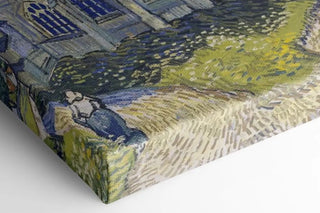
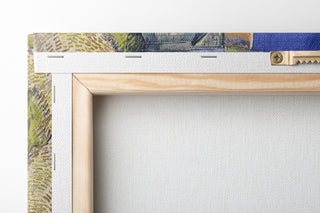
View from behind
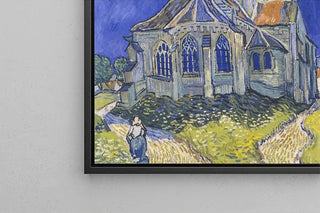
Frame (optional)
In the fascinating universe of botanical art, the "Book on Toxic Plants Pl49" by Friedrich Berge stands out for its unique approach and refined aesthetic. This piece, at the crossroads between art and science, invites us to delve into a world where the beauty of natural forms blends with the knowledge of the dangers some plants conceal. Every detail of this work is an invitation to explore the duality of nature, both nurturing and potentially lethal. Through this art print, the artist manages to capture the very essence of botany while awakening our curiosity about the mysteries of the plant kingdom.
Style and uniqueness of the work
Friedrich Berge's style is characterized by meticulous precision and particular attention to detail. In "Book on Toxic Plants Pl49," each plant is depicted with a delicacy that highlights the richness of its colors and the complexity of its structure. Berge does not merely reproduce plants; he elevates them to the status of complete works of art. The shades of green, purple, and yellow intertwine harmoniously, creating a composition that is both dynamic and soothing. This work stands out for its striking realism, but also for a touch of poetry that echoes the fragility of life. The representation of toxic plants is not a simple exercise in style but a reflection on our relationship with nature and the dangers that accompany it.
The artist and his influence
Friedrich Berge is an artist whose work is part of a rich tradition of exploring the natural world. Influenced by the great masters of botany, he manages to breathe new life into classic themes. His work fits into a context where science and art meet, a trend that dates back centuries and continues to inspire many contemporary artists. Berge, through his approach, reminds us of the importance of nature in our daily lives while highlighting the threats that certain species can pose. His influence extends beyond his own creations, touching generations of artists and scientists who see in him a model of harmony between art and knowledge.
Painting Book on Toxic Plants Pl49 - Friedrich Berge | Art print

-10% FROM €95 IN PURCHASES
-15% FROM €195 IN PURCHASES
Regular price
- Unit price
- per
Tax included.
Free shipping
€4.90 / Free shipping on orders over €39
Satisfied or Money Back
Free returns within 30 days
10-year warranty
Our prints are guaranteed for 10 years
Any questions? We are here!
by email to contact@artemlegrand.com
THE STEPS OF YOUR ORDER

STEP 1 - ORDER PLACED
Your order has been confirmed and we are starting production
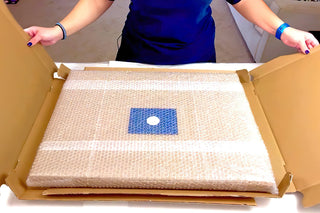
STEP 2 - SHIPPING
We ship your order. We send you an email to track the progress

STEP 3 - DELIVERY
You receive your order. You can also, according to your choice, be delivered to a relay point.
Matte finish
View from behind
Frame (optional)
In the fascinating universe of botanical art, the "Book on Toxic Plants Pl49" by Friedrich Berge stands out for its unique approach and refined aesthetic. This piece, at the crossroads between art and science, invites us to delve into a world where the beauty of natural forms blends with the knowledge of the dangers some plants conceal. Every detail of this work is an invitation to explore the duality of nature, both nurturing and potentially lethal. Through this art print, the artist manages to capture the very essence of botany while awakening our curiosity about the mysteries of the plant kingdom.
Style and uniqueness of the work
Friedrich Berge's style is characterized by meticulous precision and particular attention to detail. In "Book on Toxic Plants Pl49," each plant is depicted with a delicacy that highlights the richness of its colors and the complexity of its structure. Berge does not merely reproduce plants; he elevates them to the status of complete works of art. The shades of green, purple, and yellow intertwine harmoniously, creating a composition that is both dynamic and soothing. This work stands out for its striking realism, but also for a touch of poetry that echoes the fragility of life. The representation of toxic plants is not a simple exercise in style but a reflection on our relationship with nature and the dangers that accompany it.
The artist and his influence
Friedrich Berge is an artist whose work is part of a rich tradition of exploring the natural world. Influenced by the great masters of botany, he manages to breathe new life into classic themes. His work fits into a context where science and art meet, a trend that dates back centuries and continues to inspire many contemporary artists. Berge, through his approach, reminds us of the importance of nature in our daily lives while highlighting the threats that certain species can pose. His influence extends beyond his own creations, touching generations of artists and scientists who see in him a model of harmony between art and knowledge.
12,34 €