
Painting Livre sur les plantes toxiques Pl43 - Friedrich Berge | Art print


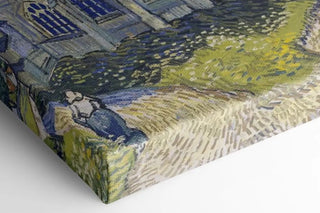
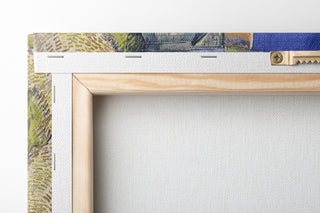
View from behind
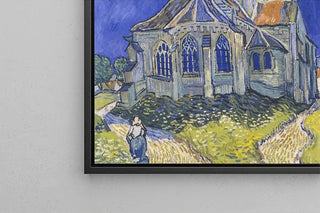
Frame (optional)
In the fascinating world of botanical art, the "Book on Toxic Plants Pl43" by Friedrich Berge stands out for its ability to capture the very essence of nature while highlighting the mysteries and dangers that some of its creations hold. This work, both educational and aesthetic, invites us to delve into a universe where the beauty of plants is accompanied by a warning about their potentially harmful properties. Through a carefully chosen color palette and meticulously observed details, Berge manages to awaken an insatiable curiosity in us for the plant world, while emphasizing the importance of knowledge in our relationship with nature.
Style and uniqueness of the work
Friedrich Berge's style is characterized by scientific precision combined with undeniable artistic sensitivity. Each plant is depicted with striking realism, allowing the viewer to appreciate not only the shape and color but also the texture and structure of each leaf or petal. This attention to detail gives the work an almost tactile dimension, inviting the observer to approach and explore the subtleties of each illustration. Berge does not merely reproduce the beauty of plants; he also evokes their history and potential, reminding us that behind each flower lies a complex, sometimes tragic story. This marriage of art and science, between aesthetics and ethics, makes this piece a unique work that transcends mere decoration.
The artist and his influence
Friedrich Berge, an emblematic figure of 19th-century botanical art, knew how to mark his era with an innovative approach that combines scientific rigor and artistic sensitivity. Influenced by the advances in botany of his time, he dedicated his career to the study and representation of plants, with a particular focus on those with toxic characteristics. His work not only contributed to enriching botanical knowledge but also inspired many artists and scientists across generations. Berge thus paved the way for a new understanding of nature, where art becomes a powerful means of raising awareness and education. His ability to transform complex knowledge into accessible and captivating images made him a
Painting Livre sur les plantes toxiques Pl43 - Friedrich Berge | Art print

-10% FROM €95 IN PURCHASES
-15% FROM €195 IN PURCHASES
Regular price
- Unit price
- per
Tax included.
Free shipping
€4.90 / Free shipping on orders over €39
Satisfied or Money Back
Free returns within 30 days
10-year warranty
Our prints are guaranteed for 10 years
Any questions? We are here!
by email to contact@artemlegrand.com
THE STEPS OF YOUR ORDER

STEP 1 - ORDER PLACED
Your order has been confirmed and we are starting production
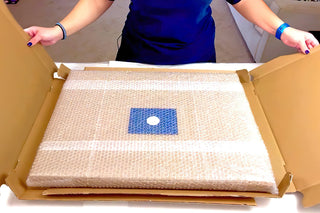
STEP 2 - SHIPPING
We ship your order. We send you an email to track the progress

STEP 3 - DELIVERY
You receive your order. You can also, according to your choice, be delivered to a relay point.
Matte finish
View from behind
Frame (optional)
In the fascinating world of botanical art, the "Book on Toxic Plants Pl43" by Friedrich Berge stands out for its ability to capture the very essence of nature while highlighting the mysteries and dangers that some of its creations hold. This work, both educational and aesthetic, invites us to delve into a universe where the beauty of plants is accompanied by a warning about their potentially harmful properties. Through a carefully chosen color palette and meticulously observed details, Berge manages to awaken an insatiable curiosity in us for the plant world, while emphasizing the importance of knowledge in our relationship with nature.
Style and uniqueness of the work
Friedrich Berge's style is characterized by scientific precision combined with undeniable artistic sensitivity. Each plant is depicted with striking realism, allowing the viewer to appreciate not only the shape and color but also the texture and structure of each leaf or petal. This attention to detail gives the work an almost tactile dimension, inviting the observer to approach and explore the subtleties of each illustration. Berge does not merely reproduce the beauty of plants; he also evokes their history and potential, reminding us that behind each flower lies a complex, sometimes tragic story. This marriage of art and science, between aesthetics and ethics, makes this piece a unique work that transcends mere decoration.
The artist and his influence
Friedrich Berge, an emblematic figure of 19th-century botanical art, knew how to mark his era with an innovative approach that combines scientific rigor and artistic sensitivity. Influenced by the advances in botany of his time, he dedicated his career to the study and representation of plants, with a particular focus on those with toxic characteristics. His work not only contributed to enriching botanical knowledge but also inspired many artists and scientists across generations. Berge thus paved the way for a new understanding of nature, where art becomes a powerful means of raising awareness and education. His ability to transform complex knowledge into accessible and captivating images made him a
12,34 €