
Painting Book on Toxic Plants Pl42 - Friedrich Berge | Art print


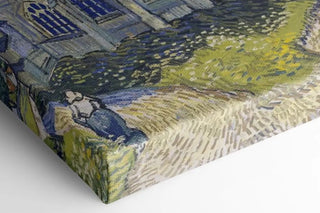
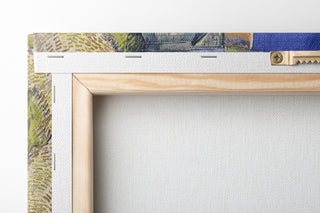
View from behind
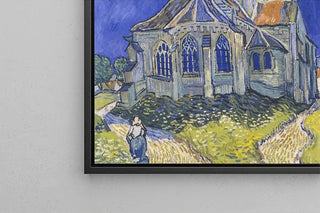
Frame (optional)
Friedrich Berge’s art print "Book on Toxic Plants Pl42" is a captivating blend of science and aesthetics, rooted in a tradition that celebrates the mysteries and wonders of nature. This piece invites viewers to explore a world where the beauty of plants is intertwined with their venomous potential. Every detail serves as an invitation to deepen our understanding and appreciate the complexity of the plant kingdom. Berge masterfully captures the very essence of these plants, portraying them not only as biological entities but also as symbols of duality—between attraction and danger. This educational and artistic work encourages reflection on our relationship with nature and the elements surrounding us.
Style and uniqueness of the art print
Friedrich Berge’s style is distinguished by remarkable meticulousness and an almost scientific approach to botanical representation. Each plant is rendered with precision, reflecting thorough observation and an intimate understanding of plant morphology. The vivid colors and delicate details of leaves and flowers create a striking contrast with the dark themes that toxic plants can evoke. This duality is central to the art print, where the apparent beauty of the flora often conceals a destructive potential. Berge employs painting techniques reminiscent of ancient botanical treatises, infused with a modern sensibility. Thus, "Book on Toxic Plants Pl42" stands as a work that is both classic and contemporary, bridging two artistic eras.
The artist and his influence
Friedrich Berge, artist and botanist, skillfully combines his passions to create works that transcend simple floral representations. His unique approach was influenced by the great masters of naturalist painting, as well as by scientific advances of his time. By exploring the medicinal and toxic properties of plants, Berge not only enriched the art world but also contributed to a better understanding of flora. His work has inspired many contemporary artists who see nature as an inexhaustible source of inspiration. Incorporating elements of scientific research into his art
Painting Book on Toxic Plants Pl42 - Friedrich Berge | Art print

-10% FROM €95 IN PURCHASES
-15% FROM €195 IN PURCHASES
Regular price
- Unit price
- per
Tax included.
Free shipping
€4.90 / Free shipping on orders over €39
Satisfied or Money Back
Free returns within 30 days
10-year warranty
Our prints are guaranteed for 10 years
Any questions? We are here!
by email to contact@artemlegrand.com
THE STEPS OF YOUR ORDER

STEP 1 - ORDER PLACED
Your order has been confirmed and we are starting production
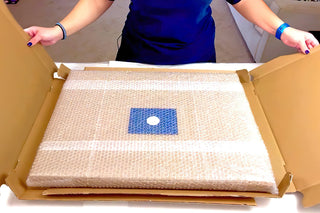
STEP 2 - SHIPPING
We ship your order. We send you an email to track the progress

STEP 3 - DELIVERY
You receive your order. You can also, according to your choice, be delivered to a relay point.
Matte finish
View from behind
Frame (optional)
Friedrich Berge’s art print "Book on Toxic Plants Pl42" is a captivating blend of science and aesthetics, rooted in a tradition that celebrates the mysteries and wonders of nature. This piece invites viewers to explore a world where the beauty of plants is intertwined with their venomous potential. Every detail serves as an invitation to deepen our understanding and appreciate the complexity of the plant kingdom. Berge masterfully captures the very essence of these plants, portraying them not only as biological entities but also as symbols of duality—between attraction and danger. This educational and artistic work encourages reflection on our relationship with nature and the elements surrounding us.
Style and uniqueness of the art print
Friedrich Berge’s style is distinguished by remarkable meticulousness and an almost scientific approach to botanical representation. Each plant is rendered with precision, reflecting thorough observation and an intimate understanding of plant morphology. The vivid colors and delicate details of leaves and flowers create a striking contrast with the dark themes that toxic plants can evoke. This duality is central to the art print, where the apparent beauty of the flora often conceals a destructive potential. Berge employs painting techniques reminiscent of ancient botanical treatises, infused with a modern sensibility. Thus, "Book on Toxic Plants Pl42" stands as a work that is both classic and contemporary, bridging two artistic eras.
The artist and his influence
Friedrich Berge, artist and botanist, skillfully combines his passions to create works that transcend simple floral representations. His unique approach was influenced by the great masters of naturalist painting, as well as by scientific advances of his time. By exploring the medicinal and toxic properties of plants, Berge not only enriched the art world but also contributed to a better understanding of flora. His work has inspired many contemporary artists who see nature as an inexhaustible source of inspiration. Incorporating elements of scientific research into his art
12,34 €