
Painting Book on Toxic Plants Pl08 - Friedrich Berge | Art print


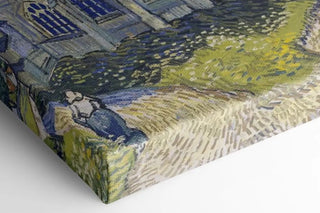
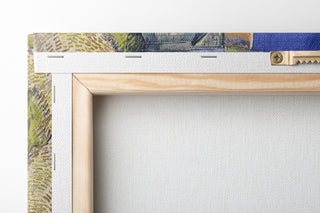
View from behind
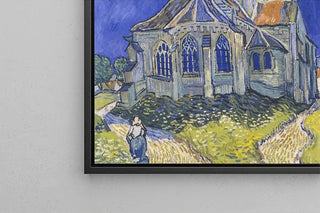
Frame (optional)
In the fascinating universe of botanical art, the "Art print on toxic plants Pl08" by Friedrich Berge stands out for its delicate and scholarly approach to nature. This painting, a true ode to the beauty of plants, immerses us in a world where vibrant colors and delicate shapes meet to evoke both splendor and danger. Berge, through his talent, invites us to explore the mysteries of flora while reminding us of the subtleties of life and death. This work, both didactic and aesthetic, encourages reflection on our relationship with nature, while celebrating the beauty of often overlooked species.
Style and uniqueness of the work
Friedrich Berge's style is characterized by remarkable botanical precision, combined with an artistic sensitivity that transcends a simple catalog of plants. In "Art print on toxic plants Pl08," every detail is carefully rendered, from the veins of the leaves to the nuances of the flowers, creating a captivating visual harmony. Berge manages to establish a balance between scientific accuracy and artistic expression, giving his work a rare depth. The colors, both vibrant and subtly nuanced, invite the viewer to immerse themselves in a universe where the beauty of toxic plants is highlighted. This unique approach allows the piece to rise above a mere illustration, becoming a true reflection on the duality of nature.
The artist and his influence
Friedrich Berge, artist and botanist, skillfully combined his passion for nature with his artistic talent. His work reflects an era when the study of plants was flourishing, and artists sought to capture the complexity of the natural world. Influenced by the great masters of botanical art, Berge developed a style that is uniquely his own, distinguished by his ability to marry science and art. His work had a significant impact on how plants are perceived in art, inspiring other artists to explore themes of beauty and inherent danger in nature. Berge thus contributed to enriching the dialogue between art and science, opening the
Painting Book on Toxic Plants Pl08 - Friedrich Berge | Art print

-10% FROM €95 IN PURCHASES
-15% FROM €195 IN PURCHASES
Regular price
- Unit price
- per
Tax included.
Free shipping
€4.90 / Free shipping on orders over €39
Satisfied or Money Back
Free returns within 30 days
10-year warranty
Our prints are guaranteed for 10 years
Any questions? We are here!
by email to contact@artemlegrand.com
THE STEPS OF YOUR ORDER

STEP 1 - ORDER PLACED
Your order has been confirmed and we are starting production
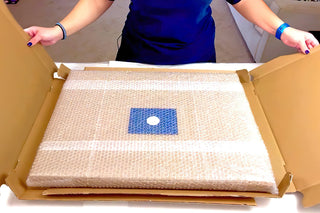
STEP 2 - SHIPPING
We ship your order. We send you an email to track the progress

STEP 3 - DELIVERY
You receive your order. You can also, according to your choice, be delivered to a relay point.
Matte finish
View from behind
Frame (optional)
In the fascinating universe of botanical art, the "Art print on toxic plants Pl08" by Friedrich Berge stands out for its delicate and scholarly approach to nature. This painting, a true ode to the beauty of plants, immerses us in a world where vibrant colors and delicate shapes meet to evoke both splendor and danger. Berge, through his talent, invites us to explore the mysteries of flora while reminding us of the subtleties of life and death. This work, both didactic and aesthetic, encourages reflection on our relationship with nature, while celebrating the beauty of often overlooked species.
Style and uniqueness of the work
Friedrich Berge's style is characterized by remarkable botanical precision, combined with an artistic sensitivity that transcends a simple catalog of plants. In "Art print on toxic plants Pl08," every detail is carefully rendered, from the veins of the leaves to the nuances of the flowers, creating a captivating visual harmony. Berge manages to establish a balance between scientific accuracy and artistic expression, giving his work a rare depth. The colors, both vibrant and subtly nuanced, invite the viewer to immerse themselves in a universe where the beauty of toxic plants is highlighted. This unique approach allows the piece to rise above a mere illustration, becoming a true reflection on the duality of nature.
The artist and his influence
Friedrich Berge, artist and botanist, skillfully combined his passion for nature with his artistic talent. His work reflects an era when the study of plants was flourishing, and artists sought to capture the complexity of the natural world. Influenced by the great masters of botanical art, Berge developed a style that is uniquely his own, distinguished by his ability to marry science and art. His work had a significant impact on how plants are perceived in art, inspiring other artists to explore themes of beauty and inherent danger in nature. Berge thus contributed to enriching the dialogue between art and science, opening the
12,34 €