
Painting Three men in a tavern, one of them taking tobacco - Gerard ter Borch


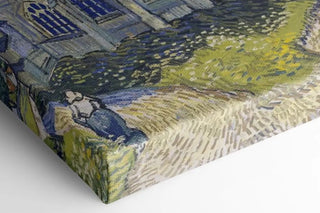
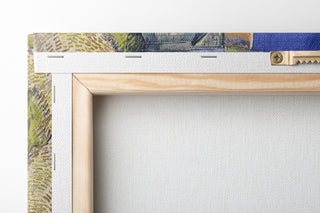
View from behind
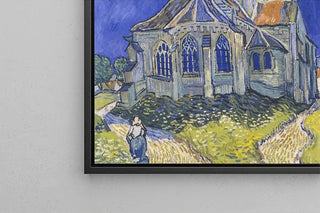
Frame (optional)
In the fascinating world of art, some works manage to capture the very essence of everyday life while weaving a rich and evocative visual narrative. The art print Trois hommes dans une taverne, l'un d'eux prenant du tabac - Gerard ter Borch perfectly fits into this tradition. This painting, created in the 17th century, immerses us in the convivial atmosphere of a Dutch tavern, where the simplicity of human interactions is highlighted. The characters, frozen in a moment of sharing, invite the viewer to immerse themselves in their universe, to feel the warmth of their camaraderie, and to ponder the stories behind their faces.
Style and uniqueness of the work
Gerard ter Borch's technical mastery is undeniable, and it shines brightly in this piece. His subtle use of light and shadow creates striking depth, while the details of the costumes, carefully rendered, testify to a concern for realism that characterizes his style. The composition, balanced and harmonious, guides the viewer's gaze across the scene, gradually revealing the nuances of the interactions between the men. One of them, absorbed in his tobacco, seems lost in thought, while the others exchange knowing looks. This dynamic between the characters is at the heart of the work, where every gesture, every expression, is loaded with meaning. Ter Borch succeeds in immortalizing a moment of life, while leaving room for the viewer's imagination, allowing them to question the context and stories of these men.
The artist and his influence
Gerard ter Borch, born in 1617 in Zwolle, is one of the masters of Dutch painting of the 17th century. His work is distinguished by a particular attention to genre scenes, where everyday life is presented with rare elegance. Ter Borch was able to establish himself thanks to his talent for capturing the psychology of characters, thus revealing the subtleties of human relationships. His influence on his contemporaries and future generations is undeniable, inspiring many artists to explore the themes of the
Painting Three men in a tavern, one of them taking tobacco - Gerard ter Borch

-10% FROM €95 IN PURCHASES
-15% FROM €195 IN PURCHASES
Regular price
- Unit price
- per
Tax included.
Free shipping
€4.90 / Free shipping on orders over €39
Satisfied or Money Back
Free returns within 30 days
10-year warranty
Our prints are guaranteed for 10 years
Any questions? We are here!
by email to contact@artemlegrand.com
THE STEPS OF YOUR ORDER

STEP 1 - ORDER PLACED
Your order has been confirmed and we are starting production
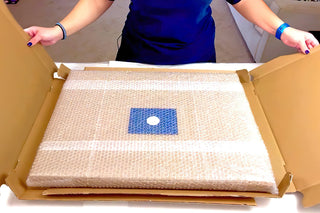
STEP 2 - SHIPPING
We ship your order. We send you an email to track the progress

STEP 3 - DELIVERY
You receive your order. You can also, according to your choice, be delivered to a relay point.
Matte finish
View from behind
Frame (optional)
In the fascinating world of art, some works manage to capture the very essence of everyday life while weaving a rich and evocative visual narrative. The art print Trois hommes dans une taverne, l'un d'eux prenant du tabac - Gerard ter Borch perfectly fits into this tradition. This painting, created in the 17th century, immerses us in the convivial atmosphere of a Dutch tavern, where the simplicity of human interactions is highlighted. The characters, frozen in a moment of sharing, invite the viewer to immerse themselves in their universe, to feel the warmth of their camaraderie, and to ponder the stories behind their faces.
Style and uniqueness of the work
Gerard ter Borch's technical mastery is undeniable, and it shines brightly in this piece. His subtle use of light and shadow creates striking depth, while the details of the costumes, carefully rendered, testify to a concern for realism that characterizes his style. The composition, balanced and harmonious, guides the viewer's gaze across the scene, gradually revealing the nuances of the interactions between the men. One of them, absorbed in his tobacco, seems lost in thought, while the others exchange knowing looks. This dynamic between the characters is at the heart of the work, where every gesture, every expression, is loaded with meaning. Ter Borch succeeds in immortalizing a moment of life, while leaving room for the viewer's imagination, allowing them to question the context and stories of these men.
The artist and his influence
Gerard ter Borch, born in 1617 in Zwolle, is one of the masters of Dutch painting of the 17th century. His work is distinguished by a particular attention to genre scenes, where everyday life is presented with rare elegance. Ter Borch was able to establish himself thanks to his talent for capturing the psychology of characters, thus revealing the subtleties of human relationships. His influence on his contemporaries and future generations is undeniable, inspiring many artists to explore the themes of the
12,34 €