
Yellow Lavender Girl Painting - Léon-Paul Robert | Art print


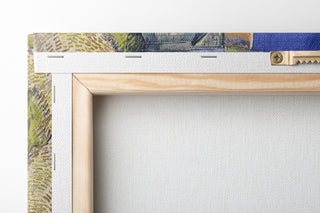
View from behind
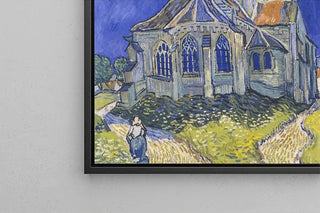
Frame (optional)
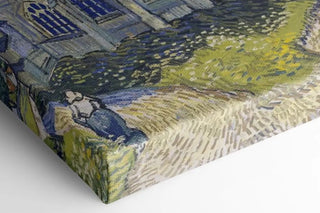
In the vast panorama of art history, certain works stand out for their ability to capture the essence of a moment, an emotion, or a place. "Lavandière jaune" by Léon-Paul Robert is one of those creations that transcends the simple frame of painting to offer an immersion into 19th-century daily life. This piece, vibrant with colors and light, evokes the life of washerwomen, these hardworking women who, through their relentless labor, contributed to the social and economic fabric of their time. The scene depicted by Robert transports us to the heart of a landscape where nature and humanity coexist harmoniously, revealing a timeless beauty.
Style and uniqueness of the work
Léon-Paul Robert's style is characterized by a meticulous attention to detail and a carefully chosen color palette, where yellow, omnipresent, illuminates the canvas. In "Lavandière jaune," light plays a central role, enveloping the characters and elements of the scene with a warm and lively aura. The fluid movements of the washerwomen, captured with remarkable precision, testify to a fleeting moment, an everyday action elevated to the level of art. Shadows and reflections, skillfully crafted, add an almost tactile dimension to the piece, inviting the viewer to feel the texture of the clothing and the freshness of the water. This meticulous attention to detail gives the scene an authenticity that resonates deeply with the observer, prompting reflection on the lives of these women and their role in society.
The artist and his influence
Léon-Paul Robert, a French painter of the 19th century, established himself as a keen observer of his era. Influenced by realism and impressionist currents, he developed a style that is uniquely his own, blending a realistic approach with poetic sensitivity. His works, often centered on scenes of everyday life, demonstrate a deep empathy for the subjects he depicts. Robert was also a pioneer in the use of color and light, anticipating some of the innovations that would mark modern painting. His commitment to representing the working classes and trades
Yellow Lavender Girl Painting - Léon-Paul Robert | Art print

-10% FROM €95 IN PURCHASES
-15% FROM €195 IN PURCHASES
Regular price
- Unit price
- per
Tax included.
Free shipping
€4.90 / Free shipping on orders over €39
Satisfied or Money Back
Free returns within 30 days
10-year warranty
Our prints are guaranteed for 10 years
Any questions? We are here!
by email to contact@artemlegrand.com
THE STEPS OF YOUR ORDER

STEP 1 - ORDER PLACED
Your order has been confirmed and we are starting production
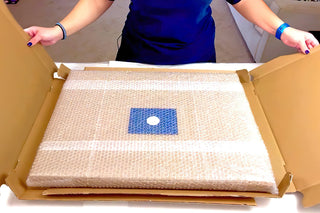
STEP 2 - SHIPPING
We ship your order. We send you an email to track the progress

STEP 3 - DELIVERY
You receive your order. You can also, according to your choice, be delivered to a relay point.
Matte finish
View from behind
Frame (optional)
In the vast panorama of art history, certain works stand out for their ability to capture the essence of a moment, an emotion, or a place. "Lavandière jaune" by Léon-Paul Robert is one of those creations that transcends the simple frame of painting to offer an immersion into 19th-century daily life. This piece, vibrant with colors and light, evokes the life of washerwomen, these hardworking women who, through their relentless labor, contributed to the social and economic fabric of their time. The scene depicted by Robert transports us to the heart of a landscape where nature and humanity coexist harmoniously, revealing a timeless beauty.
Style and uniqueness of the work
Léon-Paul Robert's style is characterized by a meticulous attention to detail and a carefully chosen color palette, where yellow, omnipresent, illuminates the canvas. In "Lavandière jaune," light plays a central role, enveloping the characters and elements of the scene with a warm and lively aura. The fluid movements of the washerwomen, captured with remarkable precision, testify to a fleeting moment, an everyday action elevated to the level of art. Shadows and reflections, skillfully crafted, add an almost tactile dimension to the piece, inviting the viewer to feel the texture of the clothing and the freshness of the water. This meticulous attention to detail gives the scene an authenticity that resonates deeply with the observer, prompting reflection on the lives of these women and their role in society.
The artist and his influence
Léon-Paul Robert, a French painter of the 19th century, established himself as a keen observer of his era. Influenced by realism and impressionist currents, he developed a style that is uniquely his own, blending a realistic approach with poetic sensitivity. His works, often centered on scenes of everyday life, demonstrate a deep empathy for the subjects he depicts. Robert was also a pioneer in the use of color and light, anticipating some of the innovations that would mark modern painting. His commitment to representing the working classes and trades
12,34 €