
Painting Les cadavres des frères De Witt - Jan de Baen | Art print Source: Tableau Les cadavres des frères De Witt - Jan de Baen | Reproduction


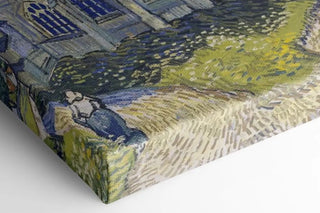
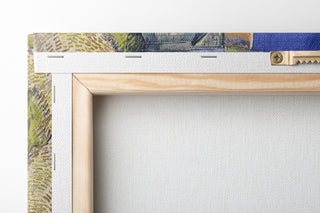
View from behind
Frame (optional)
In the fascinating world of art history, some artworks stand out for their ability to capture tragic moments of humanity. "The corpses of the De Witt brothers - Jan de Baen" is a striking example. This canvas, depicting the macabre scene of the De Witt brothers' bodies, bears witness to a turbulent period in Dutch history. Jan de Baen, with his exceptional talent, manages to immortalize not only suffering but also the struggle for freedom and justice—universal themes that still resonate today. By contemplating this piece, the viewer is transported to the 17th century, an era marked by intense political and social tensions, offering a poignant reflection on the human condition.
Style and uniqueness of the work
Jan de Baen's style is characterized by striking realism and meticulous attention to detail. In "The corpses of the De Witt brothers," the artist uses a palette of dark colors, emphasizing the drama of the scene. The faces of the deceased, frozen in expressions of pain and despair, are rendered with such precision that they seem almost alive. The composition of the artwork is also remarkable, with an arrangement that guides the viewer's gaze across the painting, gradually revealing the emotions and hidden stories behind each character. The light, skillfully manipulated by de Baen, plays a crucial role in creating an atmosphere that is both heavy and poignant, enhancing the emotional impact of the piece. Thus, every element, from the choice of colors to the positioning of figures, contributes to making this canvas unique and memorable.
The artist and his influence
Jan de Baen, born in 1633, is one of the most influential painters of his time. Trained in the Dutch artistic milieu, he established himself through his distinctive style that combines realism and dramatization. His work is often marked by historical and political themes, reflecting the concerns of his era. De Baen was also a recognized portraitist, which is evident in the way he manages to capture the essence of his subjects,
Painting Les cadavres des frères De Witt - Jan de Baen | Art print Source: Tableau Les cadavres des frères De Witt - Jan de Baen | Reproduction

-10% FROM €95 IN PURCHASES
-15% FROM €195 IN PURCHASES
Regular price
- Unit price
- per
Tax included.
Free shipping
€4.90 / Free shipping on orders over €39
Satisfied or Money Back
Free returns within 30 days
10-year warranty
Our prints are guaranteed for 10 years
Any questions? We are here!
by email to contact@artemlegrand.com
THE STEPS OF YOUR ORDER

STEP 1 - ORDER PLACED
Your order has been confirmed and we are starting production
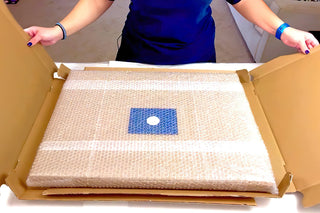
STEP 2 - SHIPPING
We ship your order. We send you an email to track the progress

STEP 3 - DELIVERY
You receive your order. You can also, according to your choice, be delivered to a relay point.
Matte finish
View from behind
Frame (optional)
In the fascinating world of art history, some artworks stand out for their ability to capture tragic moments of humanity. "The corpses of the De Witt brothers - Jan de Baen" is a striking example. This canvas, depicting the macabre scene of the De Witt brothers' bodies, bears witness to a turbulent period in Dutch history. Jan de Baen, with his exceptional talent, manages to immortalize not only suffering but also the struggle for freedom and justice—universal themes that still resonate today. By contemplating this piece, the viewer is transported to the 17th century, an era marked by intense political and social tensions, offering a poignant reflection on the human condition.
Style and uniqueness of the work
Jan de Baen's style is characterized by striking realism and meticulous attention to detail. In "The corpses of the De Witt brothers," the artist uses a palette of dark colors, emphasizing the drama of the scene. The faces of the deceased, frozen in expressions of pain and despair, are rendered with such precision that they seem almost alive. The composition of the artwork is also remarkable, with an arrangement that guides the viewer's gaze across the painting, gradually revealing the emotions and hidden stories behind each character. The light, skillfully manipulated by de Baen, plays a crucial role in creating an atmosphere that is both heavy and poignant, enhancing the emotional impact of the piece. Thus, every element, from the choice of colors to the positioning of figures, contributes to making this canvas unique and memorable.
The artist and his influence
Jan de Baen, born in 1633, is one of the most influential painters of his time. Trained in the Dutch artistic milieu, he established himself through his distinctive style that combines realism and dramatization. His work is often marked by historical and political themes, reflecting the concerns of his era. De Baen was also a recognized portraitist, which is evident in the way he manages to capture the essence of his subjects,
12,34 €