
Painting Le Wetterhorn - Johann Wilhelm Schirmer | Art print


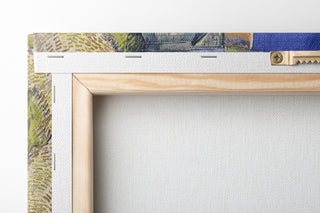
View from behind
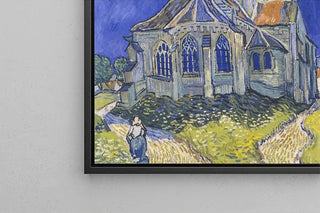
Frame (optional)
In the fascinating world of 19th-century landscape painting, "Le Wetterhorn" by Johann Wilhelm Schirmer stands out for its ability to capture the majesty of the Swiss Alps. This artwork, both powerful and delicate, evokes a wild and sublime nature, inviting the viewer to immerse themselves in a landscape where time seems to stand still. The Wetterhorn, an iconic summit, becomes the protagonist of a scene where light plays with shadows, revealing the texture of the mountains and the depth of the valleys. The art print of this piece allows appreciation not only of the artist's technique but also of the emotion it evokes, both through its composition and its color palette.
Style and uniqueness of the work
Schirmer's style is characterized by a romantic approach, where nature is depicted in all its splendor and grandeur. In "Le Wetterhorn," the meticulous details of rocks and clouds blend into an almost mystical atmosphere. The light, omnipresent, creates striking contrasts that animate the painting. The shades of blue and gray, interspersed with vivid touches, contribute to a sense of movement, as if the landscape is in perpetual evolution. Schirmer manages to convey an impression of serenity while paying homage to the power of nature. This work is not merely a representation of a place but a sensory experience that invites contemplation and reflection.
The artist and his influence
Johann Wilhelm Schirmer, a German painter of the 19th century, is often associated with the Romantic movement, but his work goes far beyond simple classifications. Trained in a rich artistic context, he absorbed influences from his contemporaries while developing a personal style. His passion for nature, particularly for Alpine landscapes, marked his career and left a lasting imprint on art history. Schirmer also played a key role in teaching painting, passing on his knowledge to many students. His approach to light and color inspired other artists, contributing to the evolution of landscape representations. "Le Wetterhorn" thus reflects an artist in search of harmony between man and
Painting Le Wetterhorn - Johann Wilhelm Schirmer | Art print

-10% FROM €95 IN PURCHASES
-15% FROM €195 IN PURCHASES
Regular price
- Unit price
- per
Tax included.
Free shipping
€4.90 / Free shipping on orders over €39
Satisfied or Money Back
Free returns within 30 days
10-year warranty
Our prints are guaranteed for 10 years
Any questions? We are here!
by email to contact@artemlegrand.com
THE STEPS OF YOUR ORDER

STEP 1 - ORDER PLACED
Your order has been confirmed and we are starting production

STEP 2 - SHIPPING
We ship your order. We send you an email to track the progress

STEP 3 - DELIVERY
You receive your order. You can also, according to your choice, be delivered to a relay point.
Matte finish
View from behind
Frame (optional)
In the fascinating world of 19th-century landscape painting, "Le Wetterhorn" by Johann Wilhelm Schirmer stands out for its ability to capture the majesty of the Swiss Alps. This artwork, both powerful and delicate, evokes a wild and sublime nature, inviting the viewer to immerse themselves in a landscape where time seems to stand still. The Wetterhorn, an iconic summit, becomes the protagonist of a scene where light plays with shadows, revealing the texture of the mountains and the depth of the valleys. The art print of this piece allows appreciation not only of the artist's technique but also of the emotion it evokes, both through its composition and its color palette.
Style and uniqueness of the work
Schirmer's style is characterized by a romantic approach, where nature is depicted in all its splendor and grandeur. In "Le Wetterhorn," the meticulous details of rocks and clouds blend into an almost mystical atmosphere. The light, omnipresent, creates striking contrasts that animate the painting. The shades of blue and gray, interspersed with vivid touches, contribute to a sense of movement, as if the landscape is in perpetual evolution. Schirmer manages to convey an impression of serenity while paying homage to the power of nature. This work is not merely a representation of a place but a sensory experience that invites contemplation and reflection.
The artist and his influence
Johann Wilhelm Schirmer, a German painter of the 19th century, is often associated with the Romantic movement, but his work goes far beyond simple classifications. Trained in a rich artistic context, he absorbed influences from his contemporaries while developing a personal style. His passion for nature, particularly for Alpine landscapes, marked his career and left a lasting imprint on art history. Schirmer also played a key role in teaching painting, passing on his knowledge to many students. His approach to light and color inspired other artists, contributing to the evolution of landscape representations. "Le Wetterhorn" thus reflects an artist in search of harmony between man and
12,34 €