
Art print of The Virgin and Child with a Dog - Moretto da Brescia | Art print


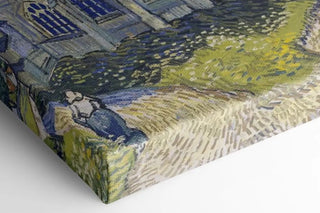
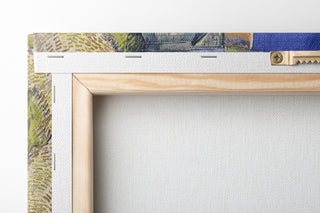
View from behind
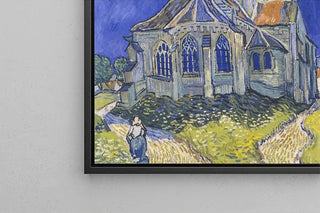
Frame (optional)
The artwork "The Virgin and Child with a Dog" by Moretto da Brescia is a poignant testament to the artistic sensitivity of the Italian Renaissance. This painting, which evokes infinite tenderness, immerses us in a universe where maternal affection and nature coexist harmoniously. By observing this piece, the viewer is immediately struck by the intimacy it exudes, an intimacy that the artist manages to convey with remarkable finesse. The choice of the dog, symbol of fidelity and protection, adds an extra dimension to this sacred scene, inviting reflection on the bonds that unite humanity and the divine.
Style and uniqueness of the artwork
Moretto da Brescia's style is characterized by a subtle use of light and shadow, creating a volume effect that brings the characters to life. In "The Virgin and Child with a Dog," the softness of the Virgin's features and the delicacy of the Child's hands demonstrate impressive technical mastery. The warm, enveloping colors enhance the atmosphere of serenity emanating from the composition. The protective posture of the Virgin, who holds her child close to her, is accentuated by the presence of the dog, which seems to watch over this scene filled with love. This piece stands out for its ability to capture a moment of grace, a suspended instant where spirituality and everyday life converge.
The artist and his influence
Moretto da Brescia, whose real name is Alessandro Bonvicino, is one of the masters of the Lombard Renaissance. His work reflects an era when art flourished under the influence of great Italian masters while developing a distinct identity. Trained at the school of Giovanni Bellini, Moretto was able to integrate techniques of Venetian painting while adding his personal sensitivity. His compositions, often centered on religious themes, reveal profound humanity and an understanding of human emotions. Moretto's influence extends beyond his time, inspiring many artists who followed, and his style continues to be studied.
Art print of The Virgin and Child with a Dog - Moretto da Brescia | Art print

-10% FROM €95 IN PURCHASES
-15% FROM €195 IN PURCHASES
Regular price
- Unit price
- per
Tax included.
Free shipping
€4.90 / Free shipping on orders over €39
Satisfied or Money Back
Free returns within 30 days
10-year warranty
Our prints are guaranteed for 10 years
Any questions? We are here!
by email to contact@artemlegrand.com
THE STEPS OF YOUR ORDER

STEP 1 - ORDER PLACED
Your order has been confirmed and we are starting production
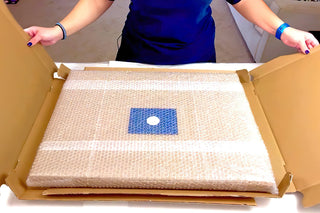
STEP 2 - SHIPPING
We ship your order. We send you an email to track the progress

STEP 3 - DELIVERY
You receive your order. You can also, according to your choice, be delivered to a relay point.
Matte finish
View from behind
Frame (optional)
The artwork "The Virgin and Child with a Dog" by Moretto da Brescia is a poignant testament to the artistic sensitivity of the Italian Renaissance. This painting, which evokes infinite tenderness, immerses us in a universe where maternal affection and nature coexist harmoniously. By observing this piece, the viewer is immediately struck by the intimacy it exudes, an intimacy that the artist manages to convey with remarkable finesse. The choice of the dog, symbol of fidelity and protection, adds an extra dimension to this sacred scene, inviting reflection on the bonds that unite humanity and the divine.
Style and uniqueness of the artwork
Moretto da Brescia's style is characterized by a subtle use of light and shadow, creating a volume effect that brings the characters to life. In "The Virgin and Child with a Dog," the softness of the Virgin's features and the delicacy of the Child's hands demonstrate impressive technical mastery. The warm, enveloping colors enhance the atmosphere of serenity emanating from the composition. The protective posture of the Virgin, who holds her child close to her, is accentuated by the presence of the dog, which seems to watch over this scene filled with love. This piece stands out for its ability to capture a moment of grace, a suspended instant where spirituality and everyday life converge.
The artist and his influence
Moretto da Brescia, whose real name is Alessandro Bonvicino, is one of the masters of the Lombard Renaissance. His work reflects an era when art flourished under the influence of great Italian masters while developing a distinct identity. Trained at the school of Giovanni Bellini, Moretto was able to integrate techniques of Venetian painting while adding his personal sensitivity. His compositions, often centered on religious themes, reveal profound humanity and an understanding of human emotions. Moretto's influence extends beyond his time, inspiring many artists who followed, and his style continues to be studied.
12,34 €