
Art print Le Towhe (Fringilla erythrophthalma) - Mark Catesby


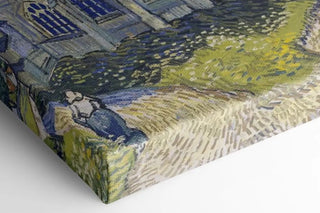
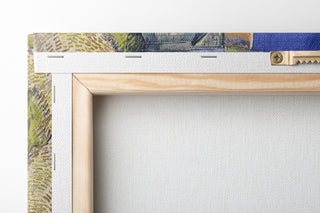
View from behind
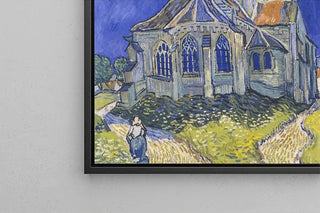
Frame (optional)
In the fascinating world of art history, some works manage to capture the essence of nature with such precision that they transcend mere visual representations. Among these masterpieces, "The Towhe (Fringilla erythrophthalma) - Mark Catesby" stands out for its ability to evoke the wild beauty of 18th-century America. This piece, both scientific and artistic, immerses us in a world where meticulous bird observation blends with refined drawing aesthetics. By contemplating this art print, viewers are invited to explore the intricate details of the bird, an invitation to rediscover the richness of biodiversity.
Style and uniqueness of the work
Mark Catesby's style is characterized by a naturalist approach that combines accuracy and elegance. Every feather of the Towhe is rendered with a delicacy that reflects a keen eye for the nuances of nature. Catesby does not merely depict the bird; he places it within a setting that suggests its natural habitat, creating a lively and immersive scene. The vibrant colors and meticulous details give the work an almost tactile dimension, allowing the viewer to feel the lightness of flight and the melodious song of this bird. By incorporating botanical elements, Catesby enriches his tableau with an atmosphere of serenity, illustrating the harmony that exists between the bird and its environment.
The artist and his influence
Mark Catesby, a British naturalist and artist, played a fundamental role in the study of American fauna and flora in the early 18th century. His journeys in North America allowed him to collect specimens and observe species still unknown in Europe. Catesby was one of the first to document the biodiversity of this region, combining art and science in an innovative approach for his time. His influence endures, inspiring generations of artists and scientists to combine rigorous observation with artistic creation. Through "The Towhe," he reminds us of the importance of conservation and appreciation of nature,
Art print Le Towhe (Fringilla erythrophthalma) - Mark Catesby

-10% FROM €95 IN PURCHASES
-15% FROM €195 IN PURCHASES
Regular price
- Unit price
- per
Tax included.
Free shipping
€4.90 / Free shipping on orders over €39
Satisfied or Money Back
Free returns within 30 days
10-year warranty
Our prints are guaranteed for 10 years
Any questions? We are here!
by email to contact@artemlegrand.com
THE STEPS OF YOUR ORDER

STEP 1 - ORDER PLACED
Your order has been confirmed and we are starting production
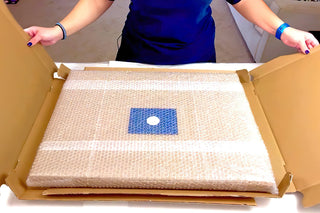
STEP 2 - SHIPPING
We ship your order. We send you an email to track the progress

STEP 3 - DELIVERY
You receive your order. You can also, according to your choice, be delivered to a relay point.
Matte finish
View from behind
Frame (optional)
In the fascinating world of art history, some works manage to capture the essence of nature with such precision that they transcend mere visual representations. Among these masterpieces, "The Towhe (Fringilla erythrophthalma) - Mark Catesby" stands out for its ability to evoke the wild beauty of 18th-century America. This piece, both scientific and artistic, immerses us in a world where meticulous bird observation blends with refined drawing aesthetics. By contemplating this art print, viewers are invited to explore the intricate details of the bird, an invitation to rediscover the richness of biodiversity.
Style and uniqueness of the work
Mark Catesby's style is characterized by a naturalist approach that combines accuracy and elegance. Every feather of the Towhe is rendered with a delicacy that reflects a keen eye for the nuances of nature. Catesby does not merely depict the bird; he places it within a setting that suggests its natural habitat, creating a lively and immersive scene. The vibrant colors and meticulous details give the work an almost tactile dimension, allowing the viewer to feel the lightness of flight and the melodious song of this bird. By incorporating botanical elements, Catesby enriches his tableau with an atmosphere of serenity, illustrating the harmony that exists between the bird and its environment.
The artist and his influence
Mark Catesby, a British naturalist and artist, played a fundamental role in the study of American fauna and flora in the early 18th century. His journeys in North America allowed him to collect specimens and observe species still unknown in Europe. Catesby was one of the first to document the biodiversity of this region, combining art and science in an innovative approach for his time. His influence endures, inspiring generations of artists and scientists to combine rigorous observation with artistic creation. Through "The Towhe," he reminds us of the importance of conservation and appreciation of nature,
12,34 €