
Painting La Tour de Solidor à Saint-Séverin en Normandie - James Carroll Beckwith | Art print


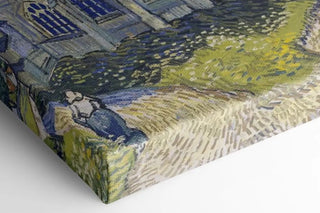
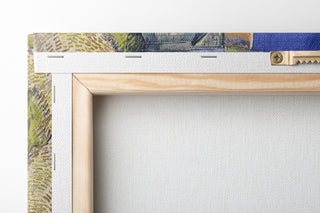
View from behind
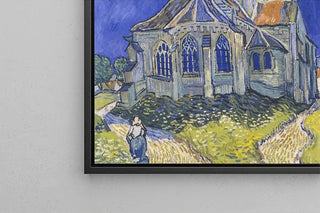
Frame (optional)
Reproduction La Tour de Solidor à Saint-Séverin en Normandie - James Carroll Beckwith – Captivating introduction
The painting "La Tour de Solidor à Saint-Séverin en Normandie" by James Carroll Beckwith evokes an atmosphere filled with serenity and mystery. This masterpiece, which captures the wild and preserved beauty of the Normandy coast, instantly transports us to a world where nature and architecture harmoniously meet. The eye is drawn to the majesty of the tower, proudly standing against the vastness of the ocean, while the shades of blue and green create a subtle dialogue between sky and sea. The delicately rendered light plays a crucial role in this work, revealing textures and shapes with remarkable precision. Beckwith succeeds in capturing not only a place but also an atmosphere, an emotion, an invitation to contemplation.
Style and uniqueness of the work
Beckwith's style is distinguished by his ability to combine realism and impressionism, a fusion that gives "La Tour de Solidor" an almost dreamlike dimension. The brushstrokes, both delicate and dynamic, breathe life into each element of the composition. The tower, a symbol of a bygone era, is rendered with such meticulousness that it seems to vibrate under the viewers' gaze. Shadows and lights work together to give an unprecedented depth to the scene, while the waves crashing against the rocks evoke a nature that is both soothing and wild. This painting does not merely depict a landscape; it invites reflection on the passage of time and the enduring nature of places against the elements. The color palette, rich and nuanced, demonstrates technical mastery that transcends simple visual rendering to touch pure emotion.
The artist and his influence
James Carroll Beckwith, an emblematic figure of the American art movement at the end of the 19th century, stands out for his unique approach to landscape painting. Trained at the École des Beaux-Arts in Paris, he absorbs impressionist influences while maintaining a sensitivity characteristic of his American heritage. His work is marked by a constant quest for
Painting La Tour de Solidor à Saint-Séverin en Normandie - James Carroll Beckwith | Art print

-10% FROM €95 IN PURCHASES
-15% FROM €195 IN PURCHASES
Regular price
- Unit price
- per
Tax included.
Free shipping
€4.90 / Free shipping on orders over €39
Satisfied or Money Back
Free returns within 30 days
10-year warranty
Our prints are guaranteed for 10 years
Any questions? We are here!
by email to contact@artemlegrand.com
THE STEPS OF YOUR ORDER

STEP 1 - ORDER PLACED
Your order has been confirmed and we are starting production
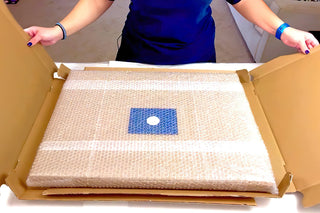
STEP 2 - SHIPPING
We ship your order. We send you an email to track the progress

STEP 3 - DELIVERY
You receive your order. You can also, according to your choice, be delivered to a relay point.
Matte finish
View from behind
Frame (optional)
Reproduction La Tour de Solidor à Saint-Séverin en Normandie - James Carroll Beckwith – Captivating introduction
The painting "La Tour de Solidor à Saint-Séverin en Normandie" by James Carroll Beckwith evokes an atmosphere filled with serenity and mystery. This masterpiece, which captures the wild and preserved beauty of the Normandy coast, instantly transports us to a world where nature and architecture harmoniously meet. The eye is drawn to the majesty of the tower, proudly standing against the vastness of the ocean, while the shades of blue and green create a subtle dialogue between sky and sea. The delicately rendered light plays a crucial role in this work, revealing textures and shapes with remarkable precision. Beckwith succeeds in capturing not only a place but also an atmosphere, an emotion, an invitation to contemplation.
Style and uniqueness of the work
Beckwith's style is distinguished by his ability to combine realism and impressionism, a fusion that gives "La Tour de Solidor" an almost dreamlike dimension. The brushstrokes, both delicate and dynamic, breathe life into each element of the composition. The tower, a symbol of a bygone era, is rendered with such meticulousness that it seems to vibrate under the viewers' gaze. Shadows and lights work together to give an unprecedented depth to the scene, while the waves crashing against the rocks evoke a nature that is both soothing and wild. This painting does not merely depict a landscape; it invites reflection on the passage of time and the enduring nature of places against the elements. The color palette, rich and nuanced, demonstrates technical mastery that transcends simple visual rendering to touch pure emotion.
The artist and his influence
James Carroll Beckwith, an emblematic figure of the American art movement at the end of the 19th century, stands out for his unique approach to landscape painting. Trained at the École des Beaux-Arts in Paris, he absorbs impressionist influences while maintaining a sensitivity characteristic of his American heritage. His work is marked by a constant quest for
12,34 €