
Painting Les toilettes - Nishikawa Sukenobu | Art print


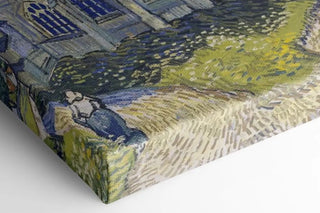
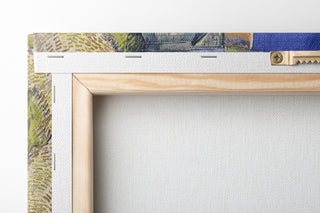
View from behind
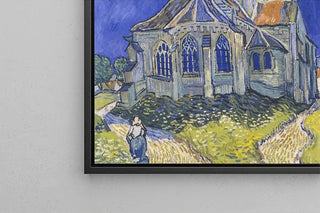
Frame (optional)
In the fascinating world of Japanese art, the artwork "The Toilets - Nishikawa Sukenobu" stands out for its elegance and delicacy. This iconic piece, created in the early 18th century, immerses us in the intimacy of daily life, revealing the subtleties of female life during the Edo period. Through this work, Sukenobu does not merely depict a domestic scene; he invites us to explore a universe imbued with refinement and poetry. The portrayal of women in moments of beauty and contemplation reminds us of the richness of Japanese culture, while offering a window into the concerns and aspirations of women of his time.
Style and uniqueness of the work
The uniqueness of "The Toilets" lies in the finesse of the details and the mastery of colors that characterize ukiyo-e style. Sukenobu, a true virtuoso, uses delicate shades to create an intimate and serene atmosphere. The women, depicted in graceful poses, are dressed in kimonos adorned with refined patterns that testify to Japanese textile art. Every element of the composition, from accessories to decor, is carefully thought out to capture the essence of a moment suspended in time. The scene depicts not only a daily activity but also evokes a certain aesthetic of beauty, where each gesture is imbued with poetry. This work thus becomes a reflection of the Japanese soul, where beauty is found in the simplicity and delicacy of shared moments.
The artist and his influence
Nishikawa Sukenobu, an emblematic figure of ukiyo-e, managed to leave his mark on his era through his innovative approach and artistic sensitivity. Born in Kyoto, he was influenced by the aesthetic currents of his time, while developing a style that was uniquely his own. Sukenobu was particularly interested in the representation of women, a subject that allowed him to explore the nuances of daily life and female beauty. His work inspired many artists, both contemporaries and successors, who saw in him a role model. Through his artworks, he contributed to enhancing the role of women in Japanese society, while opening
Painting Les toilettes - Nishikawa Sukenobu | Art print

-10% FROM €95 IN PURCHASES
-15% FROM €195 IN PURCHASES
Regular price
- Unit price
- per
Tax included.
Free shipping
€4.90 / Free shipping on orders over €39
Satisfied or Money Back
Free returns within 30 days
10-year warranty
Our prints are guaranteed for 10 years
Any questions? We are here!
by email to contact@artemlegrand.com
THE STEPS OF YOUR ORDER

STEP 1 - ORDER PLACED
Your order has been confirmed and we are starting production
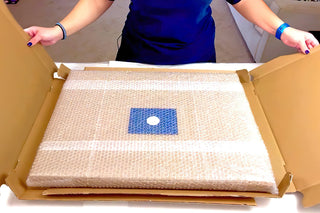
STEP 2 - SHIPPING
We ship your order. We send you an email to track the progress

STEP 3 - DELIVERY
You receive your order. You can also, according to your choice, be delivered to a relay point.
Matte finish
View from behind
Frame (optional)
In the fascinating world of Japanese art, the artwork "The Toilets - Nishikawa Sukenobu" stands out for its elegance and delicacy. This iconic piece, created in the early 18th century, immerses us in the intimacy of daily life, revealing the subtleties of female life during the Edo period. Through this work, Sukenobu does not merely depict a domestic scene; he invites us to explore a universe imbued with refinement and poetry. The portrayal of women in moments of beauty and contemplation reminds us of the richness of Japanese culture, while offering a window into the concerns and aspirations of women of his time.
Style and uniqueness of the work
The uniqueness of "The Toilets" lies in the finesse of the details and the mastery of colors that characterize ukiyo-e style. Sukenobu, a true virtuoso, uses delicate shades to create an intimate and serene atmosphere. The women, depicted in graceful poses, are dressed in kimonos adorned with refined patterns that testify to Japanese textile art. Every element of the composition, from accessories to decor, is carefully thought out to capture the essence of a moment suspended in time. The scene depicts not only a daily activity but also evokes a certain aesthetic of beauty, where each gesture is imbued with poetry. This work thus becomes a reflection of the Japanese soul, where beauty is found in the simplicity and delicacy of shared moments.
The artist and his influence
Nishikawa Sukenobu, an emblematic figure of ukiyo-e, managed to leave his mark on his era through his innovative approach and artistic sensitivity. Born in Kyoto, he was influenced by the aesthetic currents of his time, while developing a style that was uniquely his own. Sukenobu was particularly interested in the representation of women, a subject that allowed him to explore the nuances of daily life and female beauty. His work inspired many artists, both contemporaries and successors, who saw in him a role model. Through his artworks, he contributed to enhancing the role of women in Japanese society, while opening
12,34 €