
Painting The Temple of Diana - Giovanni Paolo Panini | Art print


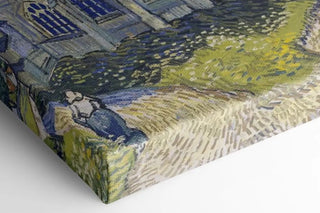
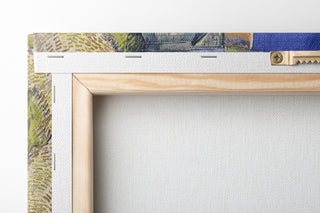
View from behind
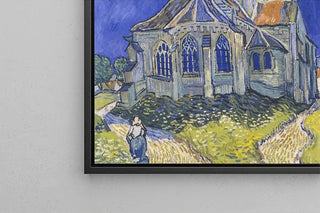
Frame (optional)
In the vibrant universe of baroque art, the artwork "Le temple de Diane" by Giovanni Paolo Panini stands as a true ode to architectural magnificence and the beauty of imaginary landscapes. This painting, far more than a simple representation, invites the viewer to immerse themselves in a world where history and mythology intertwine, creating an atmosphere that is both dreamlike and majestic. The temple, a symbol of devotion and grandeur, is depicted with such virtuosity that every detail seems to pulse with its own life. Through this art print, the artist manages to capture the very essence of Antiquity, while infusing it with a modernity that continues to fascinate.
Style and uniqueness of the artwork
Panini's style is distinguished by its ability to blend baroque exuberance with classical rigor. In "Le temple de Diane," the architectural lines are both precise and fluid, creating a harmonious balance between the structure and the surrounding landscape. Light plays a crucial role, illuminating the details of the columns and sculptures, while casting shadows that add depth to the composition. The colors, rich and vibrant, evoke an almost magical atmosphere, while the characters, though secondary, add a narrative dimension to the piece. Every element, from lush trees to floating clouds, is carefully arranged to guide the viewer's gaze through this grand scene.
The artist and his influence
Giovanni Paolo Panini, born in Piacenza in 1691, established himself as one of the masters of landscape and history painting in the 18th century. His flourishing career in Rome allowed him to explore themes of ancient grandeur, while incorporating contemporary elements. Panini not only influenced his contemporaries, but his work also left an indelible mark on subsequent generations of artists. His unique approach, blending architecture and nature, paved the way for new ways of conceptualizing the artistic landscape. By celebrating the relics of the past while reinventing them, he succeeded in capturing the imagination of an audience.
Painting The Temple of Diana - Giovanni Paolo Panini | Art print

-10% FROM €95 IN PURCHASES
-15% FROM €195 IN PURCHASES
Regular price
- Unit price
- per
Tax included.
Free shipping
€4.90 / Free shipping on orders over €39
Satisfied or Money Back
Free returns within 30 days
10-year warranty
Our prints are guaranteed for 10 years
Any questions? We are here!
by email to contact@artemlegrand.com
THE STEPS OF YOUR ORDER

STEP 1 - ORDER PLACED
Your order has been confirmed and we are starting production
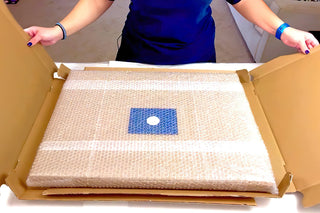
STEP 2 - SHIPPING
We ship your order. We send you an email to track the progress

STEP 3 - DELIVERY
You receive your order. You can also, according to your choice, be delivered to a relay point.
Matte finish
View from behind
Frame (optional)
In the vibrant universe of baroque art, the artwork "Le temple de Diane" by Giovanni Paolo Panini stands as a true ode to architectural magnificence and the beauty of imaginary landscapes. This painting, far more than a simple representation, invites the viewer to immerse themselves in a world where history and mythology intertwine, creating an atmosphere that is both dreamlike and majestic. The temple, a symbol of devotion and grandeur, is depicted with such virtuosity that every detail seems to pulse with its own life. Through this art print, the artist manages to capture the very essence of Antiquity, while infusing it with a modernity that continues to fascinate.
Style and uniqueness of the artwork
Panini's style is distinguished by its ability to blend baroque exuberance with classical rigor. In "Le temple de Diane," the architectural lines are both precise and fluid, creating a harmonious balance between the structure and the surrounding landscape. Light plays a crucial role, illuminating the details of the columns and sculptures, while casting shadows that add depth to the composition. The colors, rich and vibrant, evoke an almost magical atmosphere, while the characters, though secondary, add a narrative dimension to the piece. Every element, from lush trees to floating clouds, is carefully arranged to guide the viewer's gaze through this grand scene.
The artist and his influence
Giovanni Paolo Panini, born in Piacenza in 1691, established himself as one of the masters of landscape and history painting in the 18th century. His flourishing career in Rome allowed him to explore themes of ancient grandeur, while incorporating contemporary elements. Panini not only influenced his contemporaries, but his work also left an indelible mark on subsequent generations of artists. His unique approach, blending architecture and nature, paved the way for new ways of conceptualizing the artistic landscape. By celebrating the relics of the past while reinventing them, he succeeded in capturing the imagination of an audience.
12,34 €