
Art print The Penzance Terminus Station - Stanhope Alexander Forbes


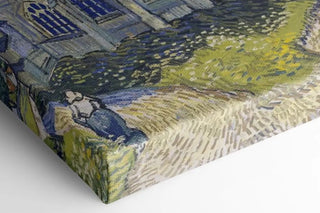
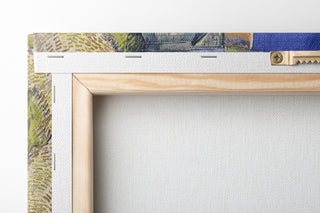
View from behind
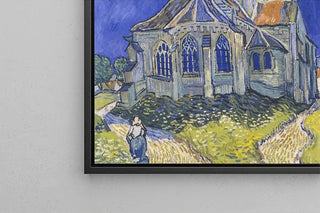
Frame (optional)
Penzance Train Station - Stanhope Alexander Forbes – Captivating Introduction
In the vibrant world of art, some works stand out for their ability to capture fleeting moments and freeze them in time. "Penzance Train Station" by Stanhope Alexander Forbes is one of those creations that, through its striking realism and lively atmosphere, transports us to the heart of daily life in the early 20th century. This piece, a true living tableau, evokes not only the importance of transportation at that time but also the bustling activity of a station, a place of meeting and departure. Forbes, through this scene, invites us to contemplate not only the characters present but also the palpable atmosphere emanating from this iconic location.
Style and uniqueness of the work
Forbes's style is characterized by an exceptional mastery of chiaroscuro and meticulous attention to detail. In "Penzance Train Station," every element, from the faces of travelers to the textures of their clothing, is rendered with precision that reflects a deep respect for reality. The artist, using rich and nuanced colors, manages to breathe vibrant life into the scene, creating a dynamic interaction between the characters and their environment. The light, filtering through the station windows, plays a central role in the composition, adding an almost theatrical dimension to the whole. This ability to marry realism and emotion makes this work a perfect example of British Impressionism, where movement and energy of modern life are captured with a unique sensitivity.
The artist and his influence
Stanhope Alexander Forbes, born in 1857, was one of the leading representatives of the Impressionist movement in Great Britain. Trained at the Royal Academy, he developed a style that combines tradition and innovation. His work is deeply rooted in the social and cultural context of his time, giving it a particular resonance. Forbes was often inspired by everyday life and the coastal landscapes of Cornwall, where he lived and worked. His artistic approach, focused on attentive observation and capturing the nuances of light, influenced many contemporary artists and helped redefine the British pictorial landscape.
Art print The Penzance Terminus Station - Stanhope Alexander Forbes

-10% FROM €95 IN PURCHASES
-15% FROM €195 IN PURCHASES
Regular price
- Unit price
- per
Tax included.
Free shipping
€4.90 / Free shipping on orders over €39
Satisfied or Money Back
Free returns within 30 days
10-year warranty
Our prints are guaranteed for 10 years
Any questions? We are here!
by email to contact@artemlegrand.com
THE STEPS OF YOUR ORDER

STEP 1 - ORDER PLACED
Your order has been confirmed and we are starting production
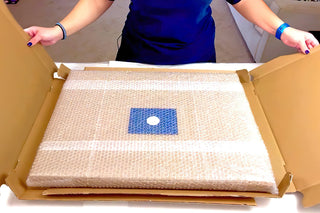
STEP 2 - SHIPPING
We ship your order. We send you an email to track the progress

STEP 3 - DELIVERY
You receive your order. You can also, according to your choice, be delivered to a relay point.
Matte finish
View from behind
Frame (optional)
Penzance Train Station - Stanhope Alexander Forbes – Captivating Introduction
In the vibrant world of art, some works stand out for their ability to capture fleeting moments and freeze them in time. "Penzance Train Station" by Stanhope Alexander Forbes is one of those creations that, through its striking realism and lively atmosphere, transports us to the heart of daily life in the early 20th century. This piece, a true living tableau, evokes not only the importance of transportation at that time but also the bustling activity of a station, a place of meeting and departure. Forbes, through this scene, invites us to contemplate not only the characters present but also the palpable atmosphere emanating from this iconic location.
Style and uniqueness of the work
Forbes's style is characterized by an exceptional mastery of chiaroscuro and meticulous attention to detail. In "Penzance Train Station," every element, from the faces of travelers to the textures of their clothing, is rendered with precision that reflects a deep respect for reality. The artist, using rich and nuanced colors, manages to breathe vibrant life into the scene, creating a dynamic interaction between the characters and their environment. The light, filtering through the station windows, plays a central role in the composition, adding an almost theatrical dimension to the whole. This ability to marry realism and emotion makes this work a perfect example of British Impressionism, where movement and energy of modern life are captured with a unique sensitivity.
The artist and his influence
Stanhope Alexander Forbes, born in 1857, was one of the leading representatives of the Impressionist movement in Great Britain. Trained at the Royal Academy, he developed a style that combines tradition and innovation. His work is deeply rooted in the social and cultural context of his time, giving it a particular resonance. Forbes was often inspired by everyday life and the coastal landscapes of Cornwall, where he lived and worked. His artistic approach, focused on attentive observation and capturing the nuances of light, influenced many contemporary artists and helped redefine the British pictorial landscape.
12,34 €