
Painting La petite couturière - Jules Breton | Art print


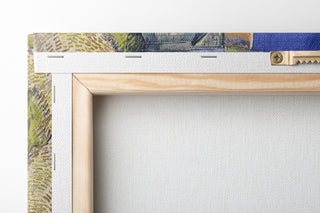
View from behind
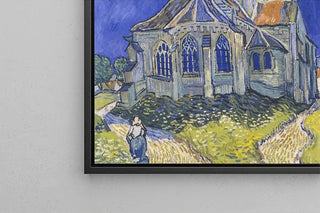
Frame (optional)
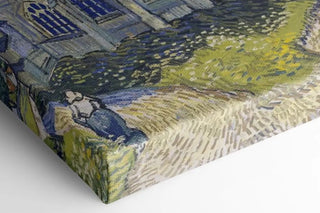
In the fascinating world of art, some works manage to capture the very essence of everyday life while evoking deep emotions. "The Little Seamstress" by Jules Breton is one of these iconic pieces. Painted at the end of the 19th century, this canvas transports us into a world of delicacy and simplicity, where the act of sewing becomes a metaphor for femininity and artisanal work. Through this artwork, the artist invites us to contemplate the beauty of ordinary moments, to appreciate the light filtering through the windows of a modest interior, and to feel the melancholy of a bygone era. The scene depicts a young seamstress, focused on her task, a frozen moment in time that reminds us of the value of traditional craftsmanship.
Style and uniqueness of the work
Jules Breton's style is characterized by his ability to blend realism and idealization. In "The Little Seamstress," he uses soft colors and play of light to create an intimate atmosphere. The natural light illuminating the seamstress's face accentuates the gentleness of her features and the delicacy of her work. The meticulous details of the fabric and sewing tools demonstrate a deep respect for craftsmanship and daily life. The composition of the canvas, centered on the figure of the seamstress, guides the viewer's gaze and invites them into this intimate space. The scene evokes silent contemplation, where each element holds significance and contributes to the harmony of the whole. This painting is not only a depiction of a domestic activity but also an ode to the beauty of manual work, celebrating women in their role as creators.
The artist and his influence
Jules Breton, a major figure of the realist movement, knew how to leave his mark on his era with his unique approach to painting. Born in 1827, he was influenced by the great masters of the past while developing a personal style that combines tradition and modernity. His passion for rural life and artisanal trades is reflected in his works, which often highlight scenes of everyday life. Breton was also a fervent advocate of
Painting La petite couturière - Jules Breton | Art print

-10% FROM €95 IN PURCHASES
-15% FROM €195 IN PURCHASES
Regular price
- Unit price
- per
Tax included.
Free shipping
€4.90 / Free shipping on orders over €39
Satisfied or Money Back
Free returns within 30 days
10-year warranty
Our prints are guaranteed for 10 years
Any questions? We are here!
by email to contact@artemlegrand.com
THE STEPS OF YOUR ORDER

STEP 1 - ORDER PLACED
Your order has been confirmed and we are starting production
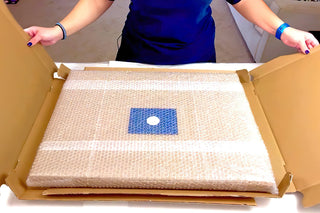
STEP 2 - SHIPPING
We ship your order. We send you an email to track the progress

STEP 3 - DELIVERY
You receive your order. You can also, according to your choice, be delivered to a relay point.
Matte finish
View from behind
Frame (optional)
In the fascinating world of art, some works manage to capture the very essence of everyday life while evoking deep emotions. "The Little Seamstress" by Jules Breton is one of these iconic pieces. Painted at the end of the 19th century, this canvas transports us into a world of delicacy and simplicity, where the act of sewing becomes a metaphor for femininity and artisanal work. Through this artwork, the artist invites us to contemplate the beauty of ordinary moments, to appreciate the light filtering through the windows of a modest interior, and to feel the melancholy of a bygone era. The scene depicts a young seamstress, focused on her task, a frozen moment in time that reminds us of the value of traditional craftsmanship.
Style and uniqueness of the work
Jules Breton's style is characterized by his ability to blend realism and idealization. In "The Little Seamstress," he uses soft colors and play of light to create an intimate atmosphere. The natural light illuminating the seamstress's face accentuates the gentleness of her features and the delicacy of her work. The meticulous details of the fabric and sewing tools demonstrate a deep respect for craftsmanship and daily life. The composition of the canvas, centered on the figure of the seamstress, guides the viewer's gaze and invites them into this intimate space. The scene evokes silent contemplation, where each element holds significance and contributes to the harmony of the whole. This painting is not only a depiction of a domestic activity but also an ode to the beauty of manual work, celebrating women in their role as creators.
The artist and his influence
Jules Breton, a major figure of the realist movement, knew how to leave his mark on his era with his unique approach to painting. Born in 1827, he was influenced by the great masters of the past while developing a personal style that combines tradition and modernity. His passion for rural life and artisanal trades is reflected in his works, which often highlight scenes of everyday life. Breton was also a fervent advocate of
12,34 €