
Painting The Sleeping Bandit - Louis Léopold Robert | Art print


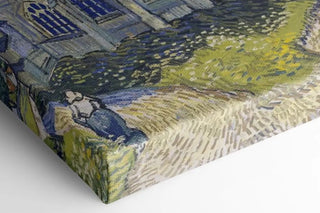
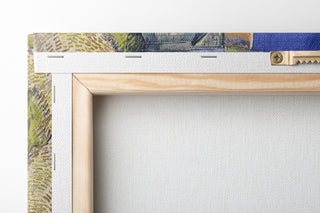
View from behind
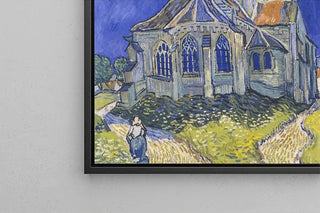
Frame (optional)
In the fascinating universe of art, some works manage to capture the very essence of humanity, transcending time and space. "The Sleeping Bandit" by Louis Léopold Robert is one of these iconic creations. This piece, both delicate and powerful, immerses us in a world where beauty blends with melancholy. The bandit, a mythical figure from folklore, is depicted in a moment of vulnerability, offering a striking contrast to the stereotypical image of the outlaw. The scene, imbued with realism, invites the viewer to a deep contemplation, awakening complex emotions and reflection on human nature.
Style and uniqueness of the work
Louis Léopold Robert's style is distinguished by his ability to combine realism and romanticism. In "The Sleeping Bandit," every detail is carefully rendered, from the texture of the character's clothing to the nuances of light caressing his face. The artist manages to infuse a palpable life into his subject, creating an intimate atmosphere that brings us closer to him. The composition, both simple and effective, highlights the bandit's posture, lying peacefully, contrasting with the brutality often associated with his role. This duality, between peace and danger, between beauty and violence, gives the work a rare depth, inspiring admiration and reflection. The color palette chosen by Robert also contributes to this ambiance, playing with warm, earthy tones that evoke nature and the rusticity of the world in which the bandit evolves.
The artist and his influence
Louis Léopold Robert, Swiss painter of the early 19th century, established himself as a major figure in the European artistic landscape. Influenced by various currents, notably neoclassicism and romanticism, Robert explored themes related to daily life, nature, and popular traditions. His work, rich in detail and emotion, bears witness to a deep empathy for his subjects. "The Sleeping Bandit" fits within this desire to represent humans in all their complexity. Through his paintings, Robert also contributed to the re
Painting The Sleeping Bandit - Louis Léopold Robert | Art print

-10% FROM €95 IN PURCHASES
-15% FROM €195 IN PURCHASES
Regular price
- Unit price
- per
Tax included.
Free shipping
€4.90 / Free shipping on orders over €39
Satisfied or Money Back
Free returns within 30 days
10-year warranty
Our prints are guaranteed for 10 years
Any questions? We are here!
by email to contact@artemlegrand.com
THE STEPS OF YOUR ORDER

STEP 1 - ORDER PLACED
Your order has been confirmed and we are starting production

STEP 2 - SHIPPING
We ship your order. We send you an email to track the progress

STEP 3 - DELIVERY
You receive your order. You can also, according to your choice, be delivered to a relay point.
Matte finish
View from behind
Frame (optional)
In the fascinating universe of art, some works manage to capture the very essence of humanity, transcending time and space. "The Sleeping Bandit" by Louis Léopold Robert is one of these iconic creations. This piece, both delicate and powerful, immerses us in a world where beauty blends with melancholy. The bandit, a mythical figure from folklore, is depicted in a moment of vulnerability, offering a striking contrast to the stereotypical image of the outlaw. The scene, imbued with realism, invites the viewer to a deep contemplation, awakening complex emotions and reflection on human nature.
Style and uniqueness of the work
Louis Léopold Robert's style is distinguished by his ability to combine realism and romanticism. In "The Sleeping Bandit," every detail is carefully rendered, from the texture of the character's clothing to the nuances of light caressing his face. The artist manages to infuse a palpable life into his subject, creating an intimate atmosphere that brings us closer to him. The composition, both simple and effective, highlights the bandit's posture, lying peacefully, contrasting with the brutality often associated with his role. This duality, between peace and danger, between beauty and violence, gives the work a rare depth, inspiring admiration and reflection. The color palette chosen by Robert also contributes to this ambiance, playing with warm, earthy tones that evoke nature and the rusticity of the world in which the bandit evolves.
The artist and his influence
Louis Léopold Robert, Swiss painter of the early 19th century, established himself as a major figure in the European artistic landscape. Influenced by various currents, notably neoclassicism and romanticism, Robert explored themes related to daily life, nature, and popular traditions. His work, rich in detail and emotion, bears witness to a deep empathy for his subjects. "The Sleeping Bandit" fits within this desire to represent humans in all their complexity. Through his paintings, Robert also contributed to the re
12,34 €