
Art print The service staff - Friedrich Wahle | Art print


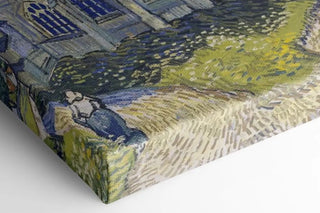
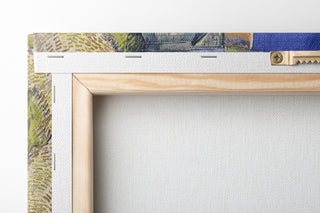
View from behind
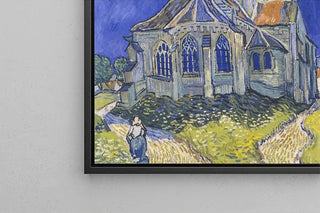
Frame (optional)
In the vast panorama of 20th-century art, certain works stand out for their ability to capture moments of life, evoke emotions, and transcend time. "The Service Staff" by Friedrich Wahle fits perfectly into this category. This piece, both delicate and striking, immerses us in a universe where every detail matters, where each character tells a story. The artist, through his keen eye on the society of his time, invites us to reflect on human relationships and social dynamics. By contemplating this art print, the viewer is transported to a lively scene, where the interaction between figures seems to vibrate with palpable energy.
Style and uniqueness of the work
Wahle's style is distinguished by a realistic approach, yet imbued with a sensitivity that is uniquely his own. "The Service Staff" does not merely depict a scene from everyday life; it reveals its complexity and depth. The characters, although frozen in time, appear animated by a rich inner life. Facial expressions, postures, and interactions between figures are all elements that testify to a meticulous observation of the human condition. The color palette chosen by the artist also plays a crucial role in visual storytelling. Warm hues and delicate shadows confer an intimate atmosphere to the piece, inviting the viewer to immerse themselves in this shared space. Every brushstroke, every nuance, contributes to creating an ambiance that resonates with our own experience of the world.
The artist and his influence
Friedrich Wahle, an artist of German origin, established himself as an essential figure of his era. His training and artistic journey led him to explore various techniques and styles, but it is his penchant for realism that truly marked his work. Influenced by the great masters of the past, Wahle managed to incorporate contemporary elements, making his art accessible while remaining deeply rooted in a rich artistic tradition. His critical eye on society and his ability to capture moments of truth earned him recognition both in Europe and beyond. By highlighting scenes of everyday life, he also paved the way for reflection on the
Art print The service staff - Friedrich Wahle | Art print

-10% FROM €95 IN PURCHASES
-15% FROM €195 IN PURCHASES
Regular price
- Unit price
- by
Free shipping
€4.90 / Free shipping on orders over €39
Satisfied or Money Back
Free returns within 30 days
10-year warranty
Our prints are guaranteed for 10 years
Any questions? We are here!
by email to contact@artemlegrand.com
THE STEPS OF YOUR ORDER

STEP 1 - ORDER PLACED
Your order has been confirmed and we are starting production
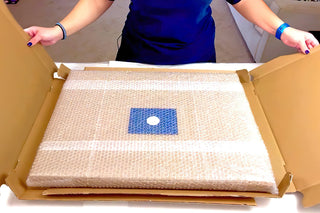
STEP 2 - SHIPPING
We ship your order. We send you an email to track the progress

STEP 3 - DELIVERY
You receive your order. You can also, according to your choice, be delivered to a relay point.
Matte finish
View from behind
Frame (optional)
In the vast panorama of 20th-century art, certain works stand out for their ability to capture moments of life, evoke emotions, and transcend time. "The Service Staff" by Friedrich Wahle fits perfectly into this category. This piece, both delicate and striking, immerses us in a universe where every detail matters, where each character tells a story. The artist, through his keen eye on the society of his time, invites us to reflect on human relationships and social dynamics. By contemplating this art print, the viewer is transported to a lively scene, where the interaction between figures seems to vibrate with palpable energy.
Style and uniqueness of the work
Wahle's style is distinguished by a realistic approach, yet imbued with a sensitivity that is uniquely his own. "The Service Staff" does not merely depict a scene from everyday life; it reveals its complexity and depth. The characters, although frozen in time, appear animated by a rich inner life. Facial expressions, postures, and interactions between figures are all elements that testify to a meticulous observation of the human condition. The color palette chosen by the artist also plays a crucial role in visual storytelling. Warm hues and delicate shadows confer an intimate atmosphere to the piece, inviting the viewer to immerse themselves in this shared space. Every brushstroke, every nuance, contributes to creating an ambiance that resonates with our own experience of the world.
The artist and his influence
Friedrich Wahle, an artist of German origin, established himself as an essential figure of his era. His training and artistic journey led him to explore various techniques and styles, but it is his penchant for realism that truly marked his work. Influenced by the great masters of the past, Wahle managed to incorporate contemporary elements, making his art accessible while remaining deeply rooted in a rich artistic tradition. His critical eye on society and his ability to capture moments of truth earned him recognition both in Europe and beyond. By highlighting scenes of everyday life, he also paved the way for reflection on the